

 0
0
1.What Is a USB Type-C Connector?
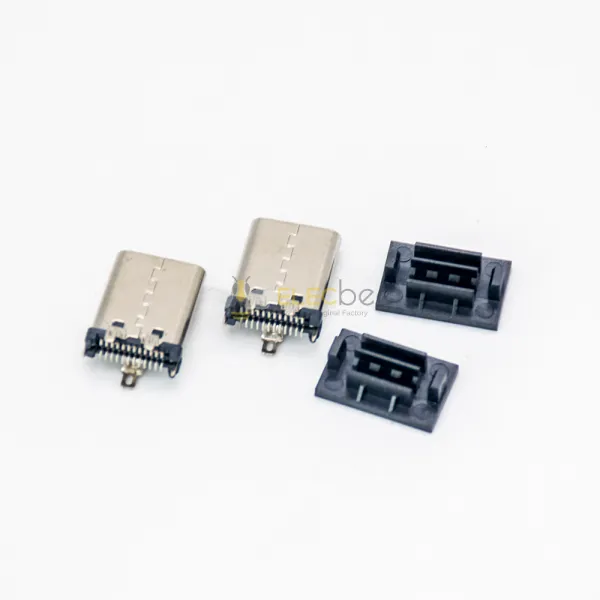
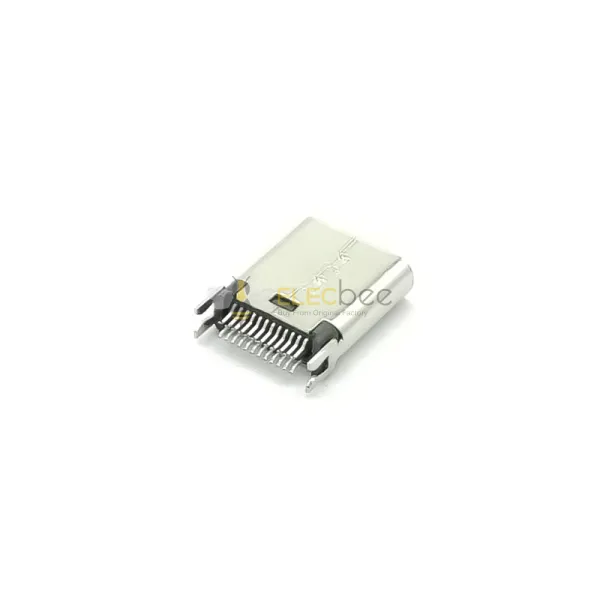
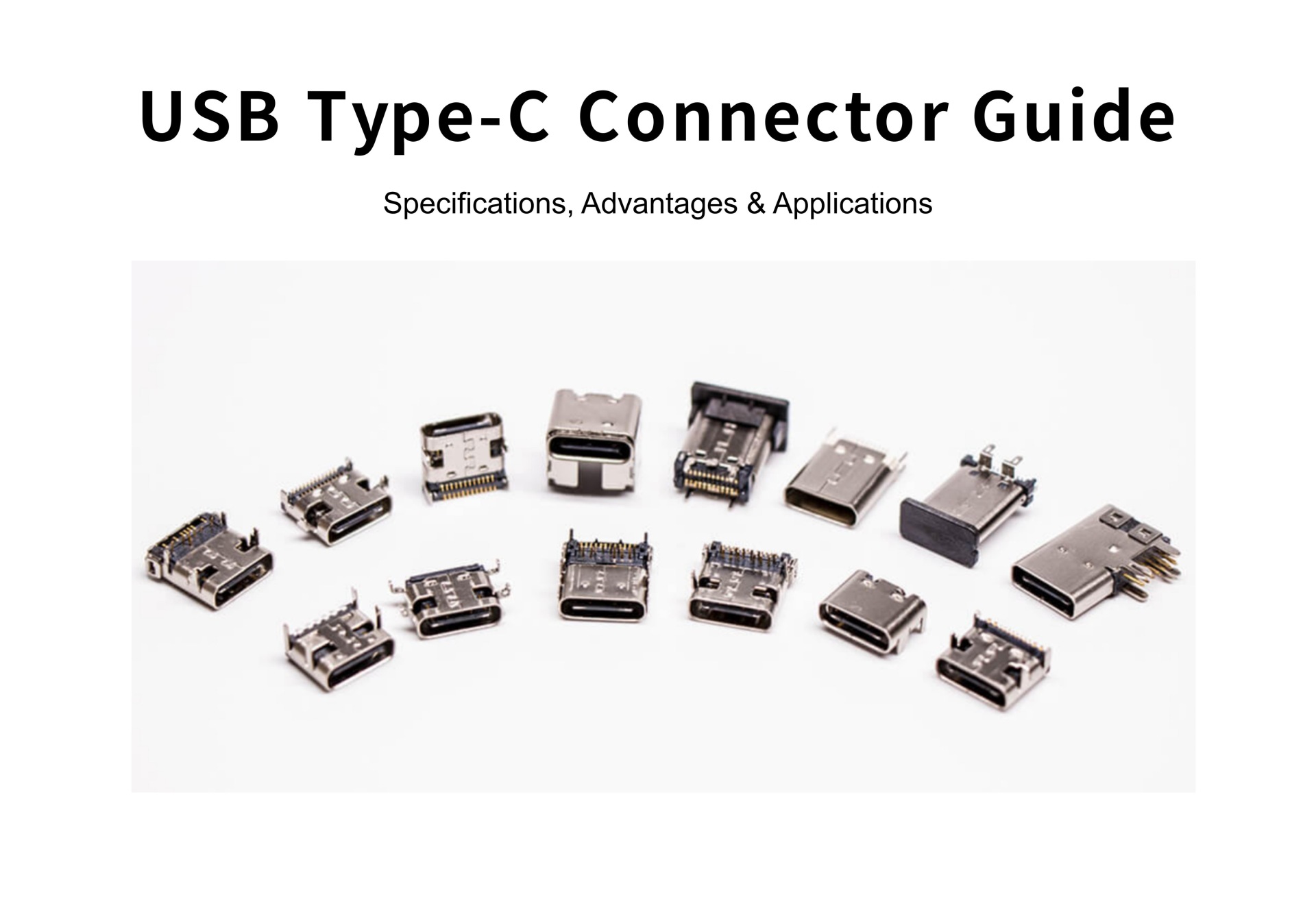
The USB Type-C connector (often called USB-C) is the latest universal interface standard designed by USB-IF. Unlike older USB-A or Micro-USB connectors, USB-C features a compact, reversible 24-pin design that supports faster data transmission, higher power delivery, and multiple signal protocols.
Today, USB-C has become the default connector for smartphones, laptops, power banks, monitors, and countless industrial devices.
2.USB Type-C Connector Specifications and Pinout Overview
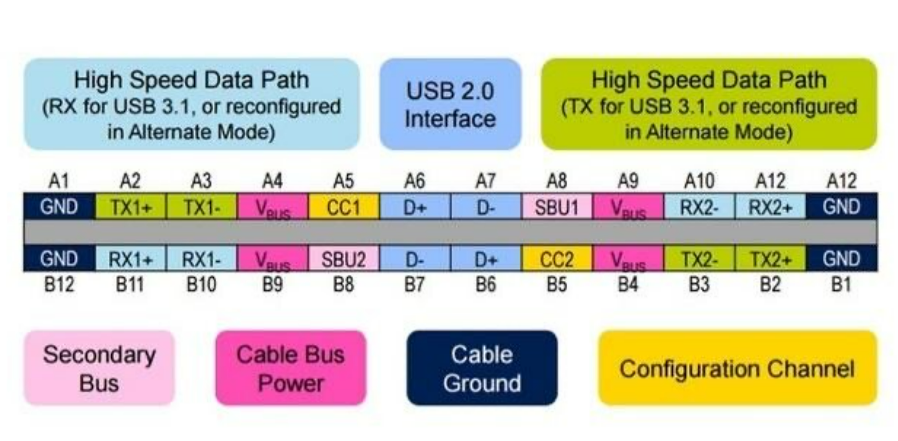
USB-C connectors include 24 pins, divided into power, ground, data lines, and configuration channels.
Key specifications:
• Reversible plug orientation
• Up to 40Gbps data rate (USB4 / Thunderbolt 4 compatible)
• Up to 240W (48V/5A) power delivery under USB PD 3.1
• Supports multiple protocols: USB, DisplayPort, Thunderbolt, PCIe (via alternate mode)
• Durability: up to 10,000 mating cycles
• Voltage rating: up to 20V
Pinout highlights:
• VBUS: power supply
• GND: ground
• TX/RX pairs: high-speed differential data
• CC1/CC2: configuration and orientation detection
• SBU: sideband communication
These functions make USB-C one of the most versatile connectors in modern electronics.
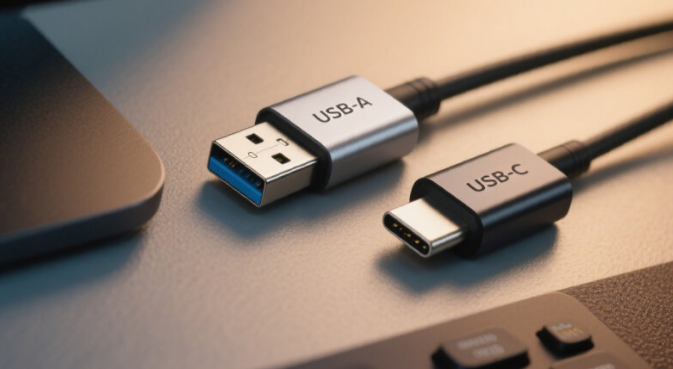
3.USB-C vs USB-A: Key Differences and Improvements
|
Feature |
USB-C |
USB-A |
|
Plug orientation |
Reversible |
One-way only |
|
Data speed |
Up to 40Gbps |
Max 5Gbps (USB 3.0) |
|
Power delivery |
Up to 240W |
Up to 7.5W |
|
Pin count |
24 pins |
4–9 pins |
|
Video transmission |
Supported |
Mostly unsupported |
|
Size |
Smaller |
Larger |
USB-C significantly improves convenience, power capability, compatibility, and performance—making it the preferred connector for future devices.
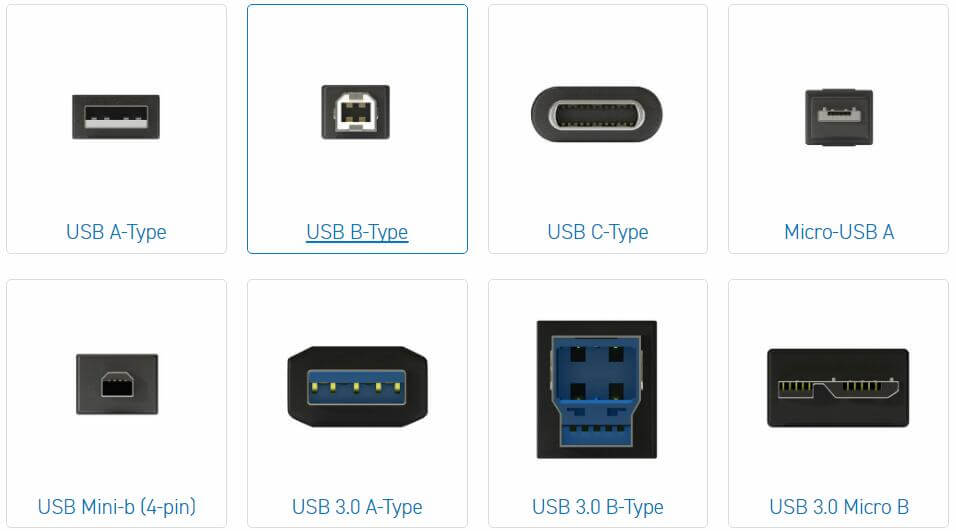
4.USB-C vs USB-B: When to Use Each?
|
Feature |
USB-C |
USB-B |
|
Orientation |
Reversible |
One-way |
|
Data Speed |
Up to 40Gbps |
Up to 5Gbps |
|
Power Delivery |
Up to 240W |
Limited (usually <10W) |
|
Size |
Smaller |
Larger |
|
Use Case |
Mobile, consumer & industrial |
Printers, tools, industrial devices |
Although USB-C is becoming the dominant interface, USB-B remains essential for printers, audio interfaces, POS machines, industrial controllers, and equipment requiring a secure, non-loosening port.
5.Power Delivery (PD) and High-Speed Data Capabilities
USB-C supports USB Power Delivery (PD), enabling dynamic voltage and current negotiation.
Latest PD 3.1 expands output to:
• 28V
• 36V
• 48V (240W, Extended Power Range)
USB-C also supports the latest data standards:
• USB 3.2 Gen 2×2 — 20Gbps
• USB4 — up to 40Gbps
• DisplayPort Alt Mode & Thunderbolt compatibility
This makes USB-C ideal for high-performance computing, industrial equipment, and multimedia devices.
6.Common Applications of USB Type-C Connectors
USB-C is widely used in:
• Smartphones, tablets, and laptops
• Monitors and docking stations
• Industrial control systems
• Automotive infotainment
• Medical devices
• Power supplies and battery packs
• Data storage devices
Its versatility allows a single port to handle data, power, and video simultaneously.
7.How to Choose the Right USB Type-C Connector for Your Project
To select a USB-C connector that fits your application, consider:
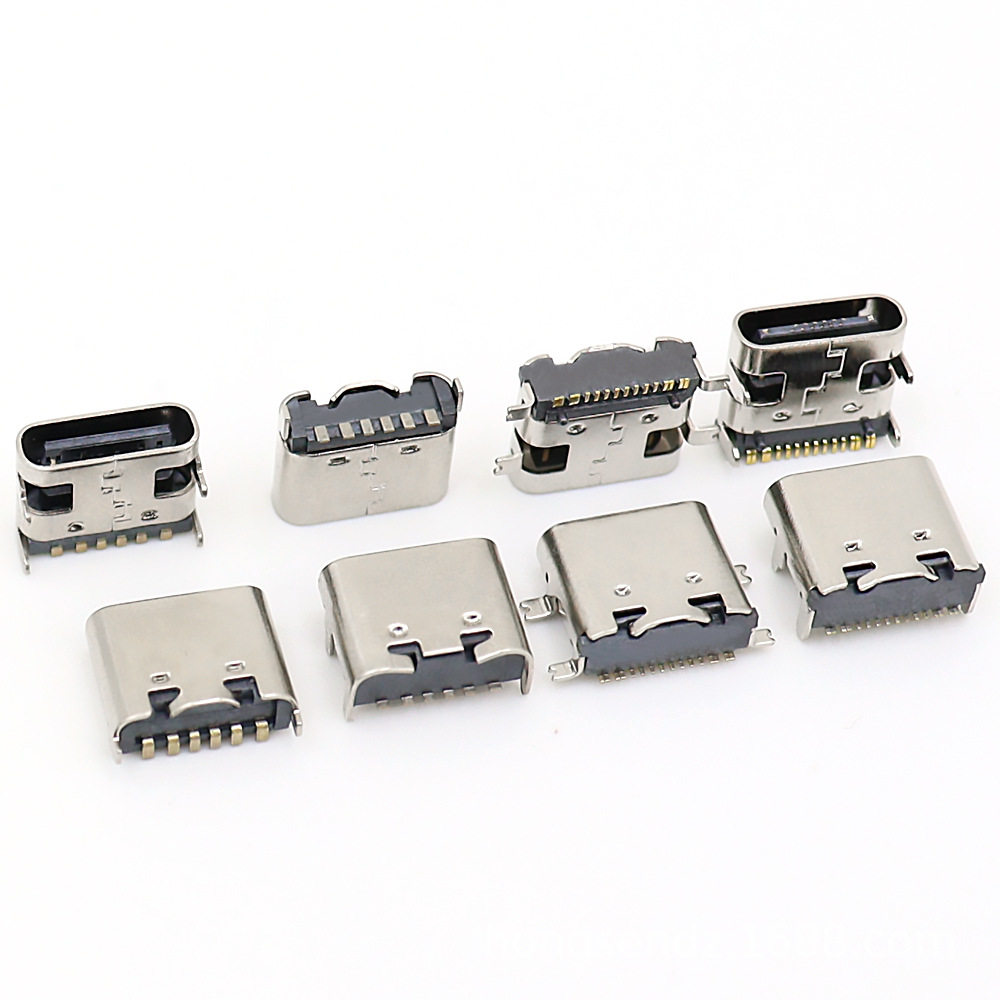
a. Mount Type
• SMT
• DIP
• Hybrid SMT/DIP
b. Current Rating
• 3A standard
• 5A enhanced (requires E-Marker cables)
c. Durability Requirements
• Standard 10,000 cycles
• Reinforced mechanical structure for industrial use
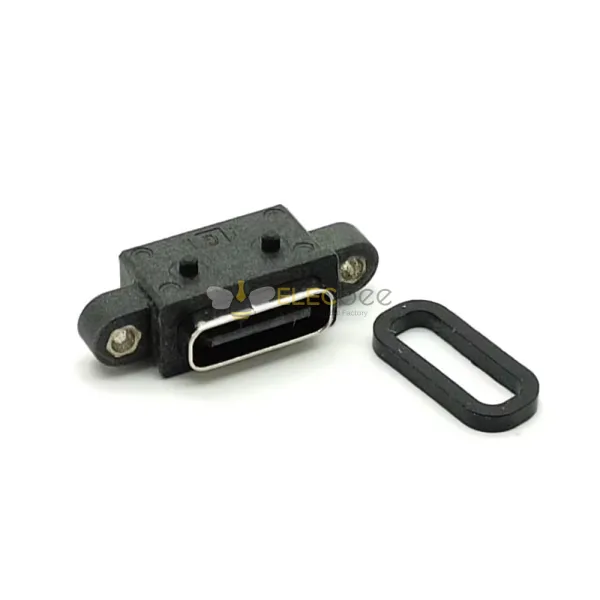
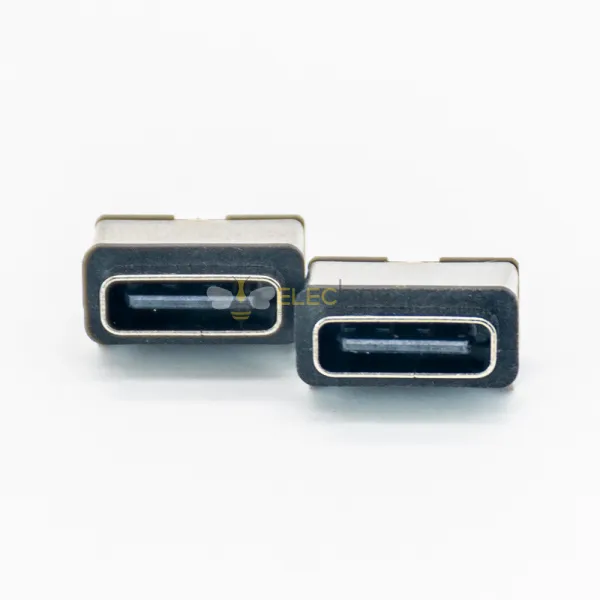
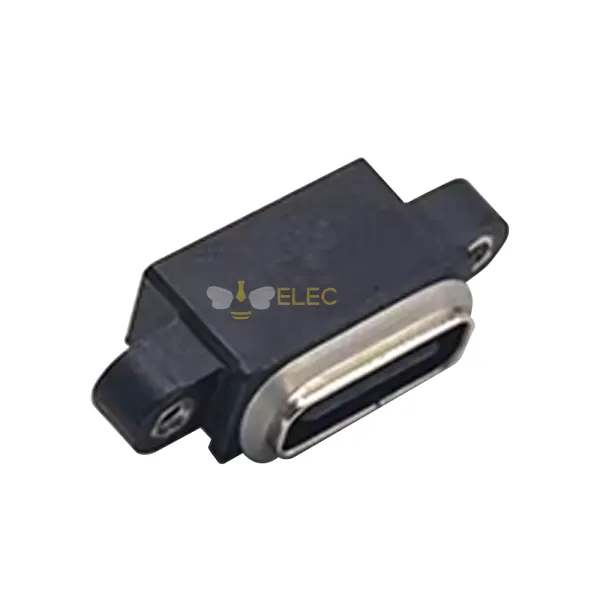
d. Waterproof or dustproof models (IP67)
• For outdoor or harsh environments
e. Compatibility with USB PD or high-speed protocols
• Ensure the connector supports required data rate and voltage level.
8.Conclusion
USB Type-C has transformed how devices transmit data and power. With its reversible design, high bandwidth, and robust power delivery capabilities, USB-C is replacing older USB types at rapid speed. As USB4 and PD 3.1 continue to evolve, USB-C connectors will remain the universal interface across consumer and industrial electronics.
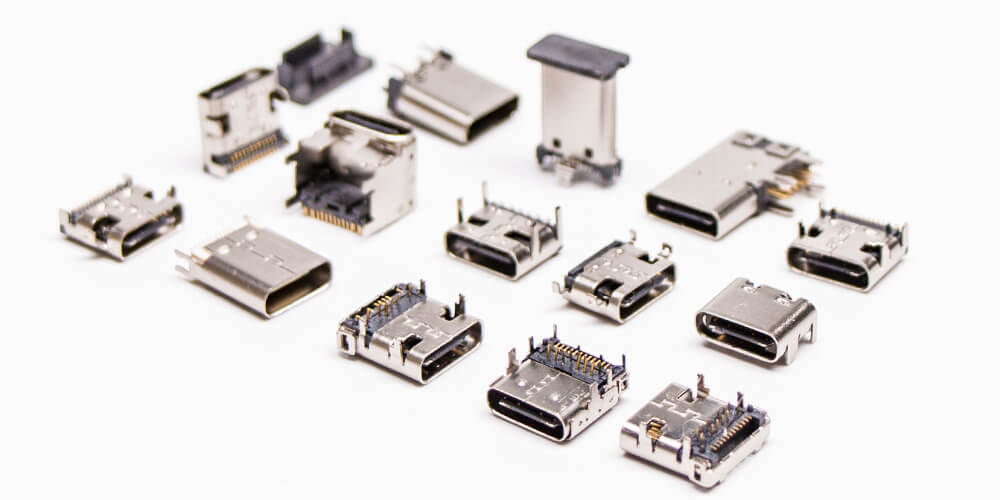
Elecbee offers a wide range of USB Type-C connectors, cable assemblies, and customized solutions for your projects—engineered for quality and reliability.
Feel free to contact us for technical support or product recommendations.
Related Products: