

 0
0
Choosing between STM32 and ESP32 is one of the most common questions for beginners, makers, embedded engineers and product developers building IoT or embedded systems. At first glance, they may look similar: both are popular microcontroller platforms, both are affordable, and both can be used to control sensors, displays, motors and communication modules.
But STM32 and ESP32 are not really the same type of choice.
ESP32 is often the easier path for WiFi, Bluetooth and fast IoT prototyping. STM32 is usually stronger when you need precise control, more peripheral options, better analog performance, low-power operation or a more traditional embedded development path.
The right answer depends less on which chip is “better” and more on what your project actually needs.
This guide compares STM32 vs ESP32 from a practical project-selection point of view, including wireless connectivity, power consumption, peripherals, learning curve, IoT applications and commercial product considerations.

1. Quick Answer: STM32 or ESP32?
Choose ESP32 if your project needs built-in WiFi, Bluetooth, quick cloud connection, wireless sensor data, smart home control, mobile app connectivity or low-cost IoT prototyping.
Choose STM32 if your project needs precise timing, more GPIO, better ADC performance, industrial control, motor control, low-power standby modes, more MCU package options or a deeper understanding of embedded systems.
For many real projects, the answer can also be both. An STM32 can handle real-time control while an ESP32 provides WiFi or Bluetooth connectivity. This combination is common when a product needs reliable local control and simple wireless access.
In short:
- For wireless IoT projects: ESP32 is usually easier.
- For industrial control and low-level embedded learning: STM32 is usually stronger.
- For commercial connected products: the best choice depends on wireless, power, reliability, certification and production requirements.
2. What Is ESP32 Best For?
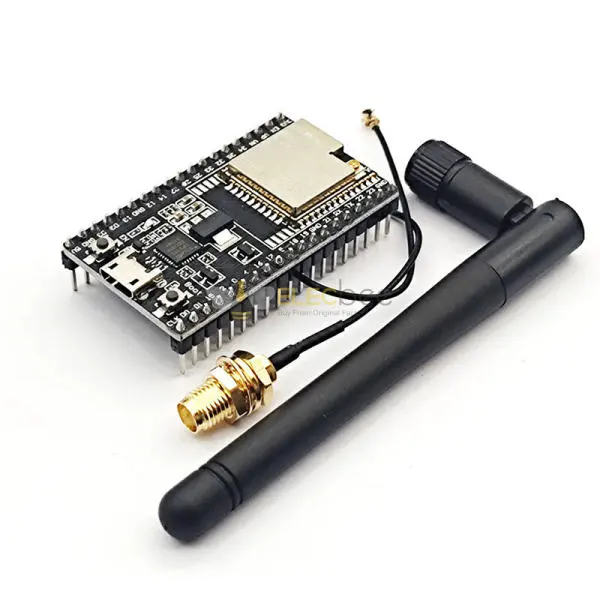
ESP32 is a family of microcontrollers from Espressif, known mainly for integrated wireless connectivity. Most ESP32 development boards are popular because they combine a capable MCU, WiFi, Bluetooth and a large hobbyist ecosystem in a very affordable package.
That makes ESP32 especially attractive for IoT projects.
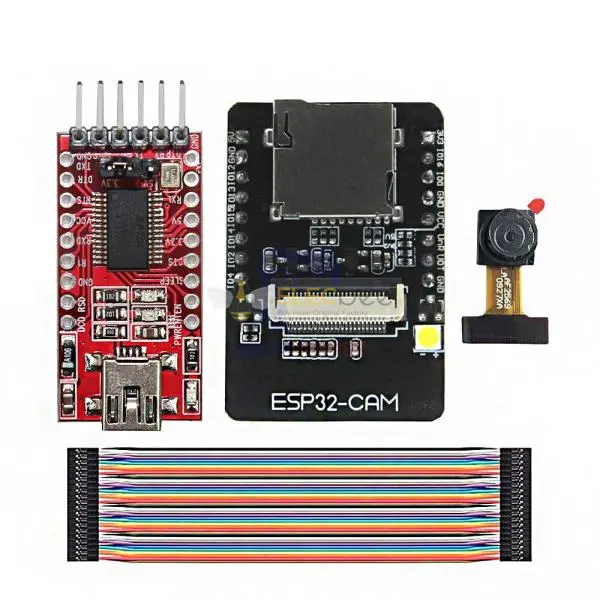
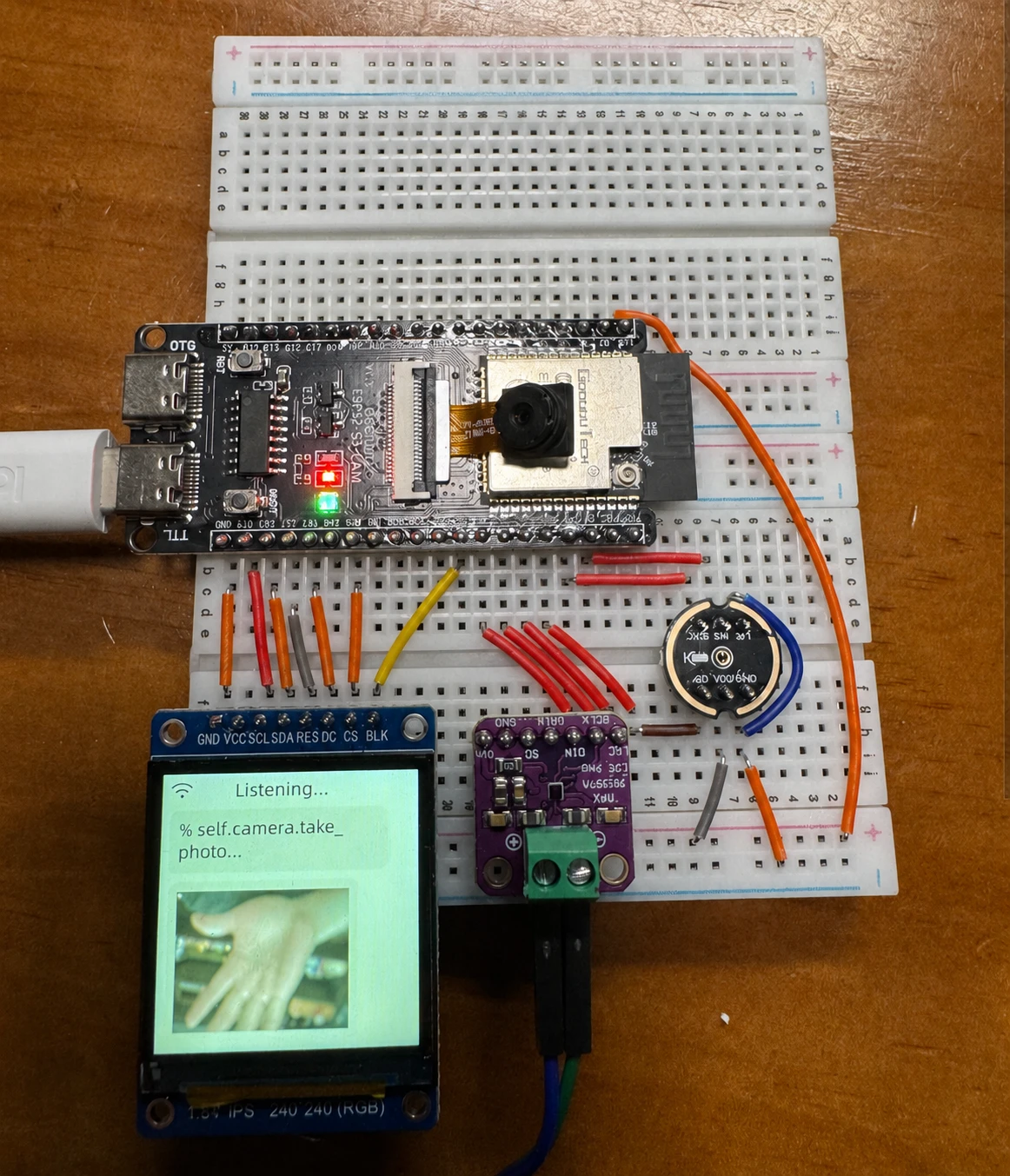
If you are building a WiFi temperature sensor, smart switch, ESP32-CAM project, wireless LED controller, MQTT device, home automation node or remote monitoring system, ESP32 is often the fastest way to get a working prototype.
Built-In WiFi and Bluetooth
The biggest advantage of ESP32 is simple: wireless is already built in.
With STM32, adding WiFi or Bluetooth usually means adding a separate wireless module, handling extra hardware connections and integrating another software stack. With ESP32, WiFi and Bluetooth are part of the platform, so you can move from idea to prototype much faster.
This is why ESP32 is popular in projects such as:
- Smart home devices
- WiFi sensors
- Bluetooth controllers
- ESP32-CAM video projects
- LED control systems
- MQTT or Home Assistant nodes
- Remote monitoring devices
- Mobile-controlled hardware projects
For many makers, students and small teams, this speed matters more than having the most advanced MCU peripherals.
Fast Prototyping and Large Community
Another reason beginners like ESP32 is the huge number of tutorials, libraries and example projects. Many ESP32 boards can be programmed with Arduino IDE, MicroPython or ESP-IDF. This gives users several entry points depending on their experience level.
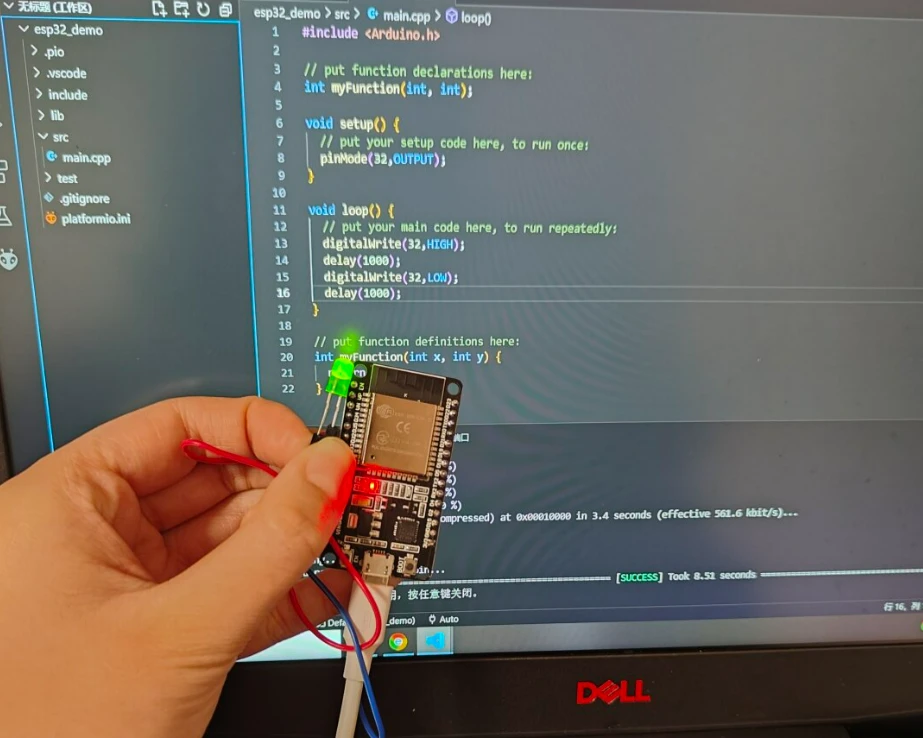
If your goal is to quickly build something that connects to WiFi, sends sensor data or controls a device from a phone, ESP32 usually has a lower barrier to entry than STM32.
ESP32 is especially useful when you care about:
- Fast proof-of-concept development
- Wireless communication
- Cloud or app connectivity
- Low-cost IoT nodes
- Beginner-friendly examples
- Ready-to-use libraries
However, this convenience comes with trade-offs. ESP32 projects often rely on higher-level libraries and frameworks. That is good for quick results, but it may hide low-level hardware details that are important for learning professional embedded development.
Choose the Right ESP32 Board for Your IoT Project
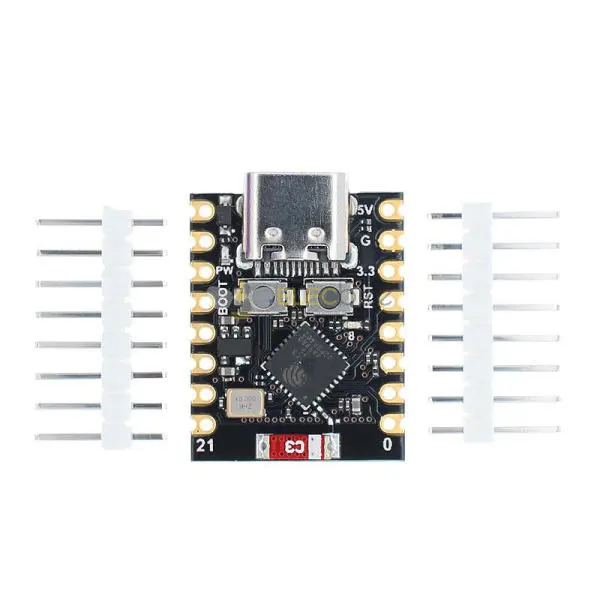
From basic WiFi prototypes to camera modules, LoRa GPS trackers, Ethernet controllers and LTE remote sensors, our ESP32 IoT Project Boards page helps you quickly match each project type with suitable ESP32 board options.
View ESP32 Boards by Project
3. What Is STM32 Best For?
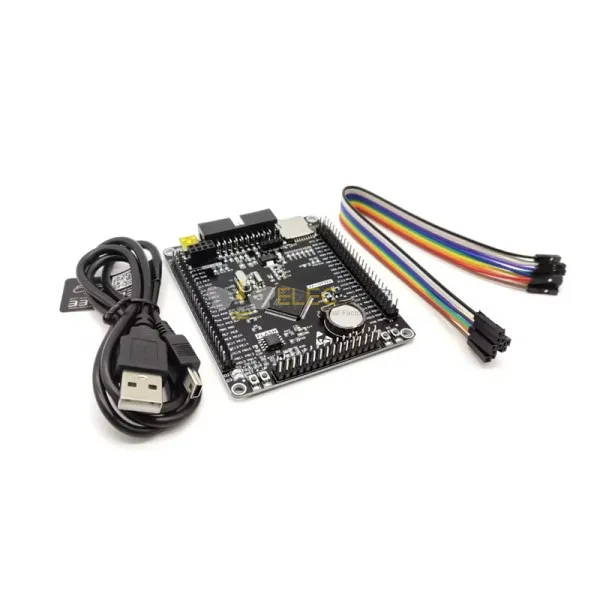
STM32 is not a single chip, but a vast ecosystem ranging from ultra-low-power STM32L series to high-performance STM32H series. Unlike ESP32, which is commonly discussed as a wireless MCU platform, STM32 covers a much broader range of ARM Cortex-M microcontrollers for control, sensing, industrial and low-power applications.
STM32 is widely used in industrial, consumer, medical, instrumentation and control applications. It is often chosen when the project needs more control over hardware, better peripheral choices, predictable timing or lower power operation.
Industrial Control and Timing-Sensitive Tasks
STM32 is often a better fit for projects where timing and peripheral control matter more than built-in wireless connectivity.
Examples include:
- Motor control
- Industrial sensors
- Robotics control boards
- Power management systems
- Data acquisition
- Instrumentation
- Real-time control applications
- Equipment control panels
Many STM32 models offer advanced timers, multiple UART/SPI/I2C interfaces, CAN, USB, Ethernet, DACs, high-quality ADCs and flexible DMA options. This makes STM32 attractive for applications where the MCU is deeply integrated into the hardware.
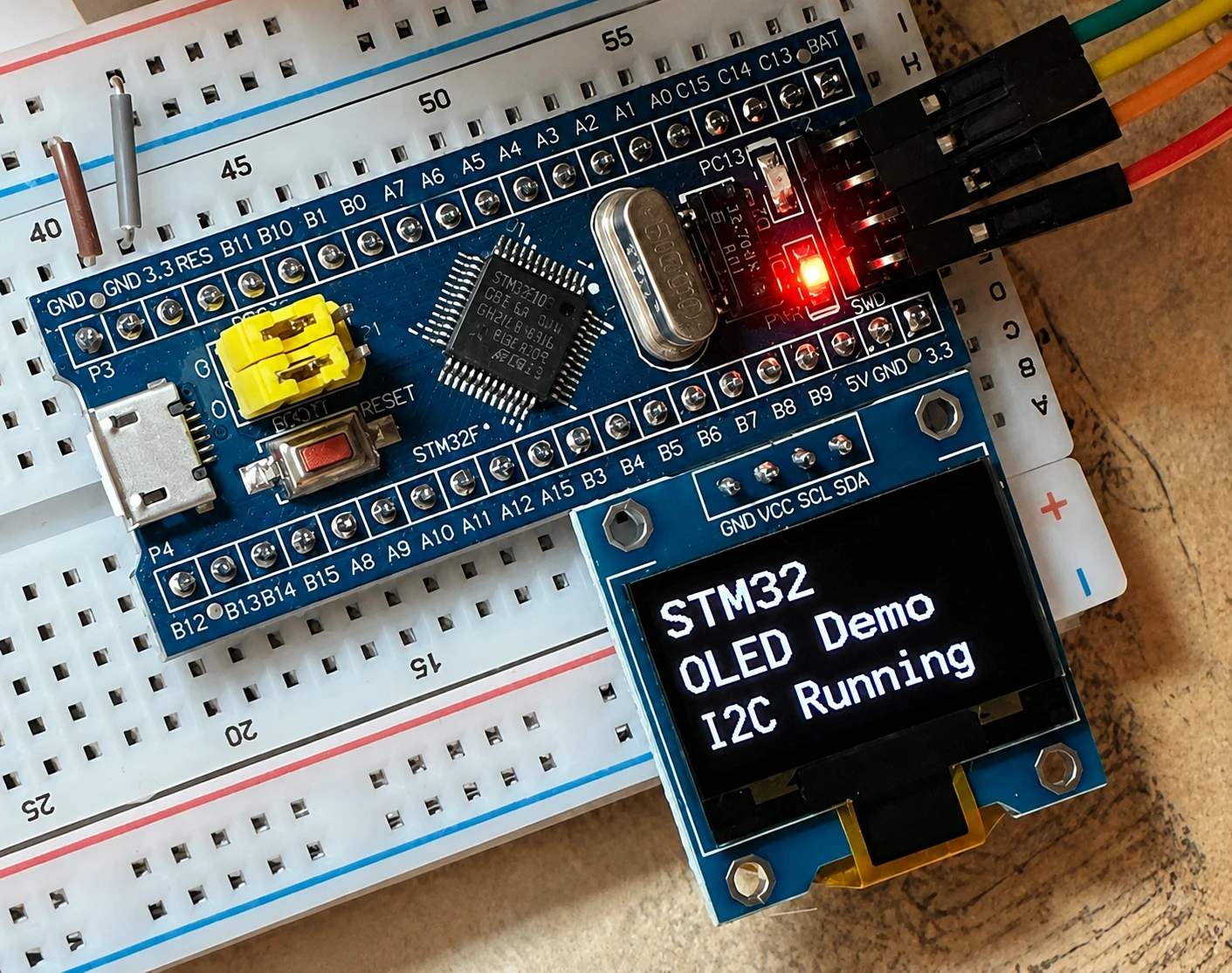
Better Peripheral and Analog Options
One of the biggest practical differences between STM32 and ESP32 is the peripheral set.
ESP32 is excellent for wireless networking, but its analog performance and peripheral flexibility are often not the main reason engineers choose it. STM32, depending on the model, can offer stronger ADC options, more pins, more timers, more communication interfaces and more package choices.
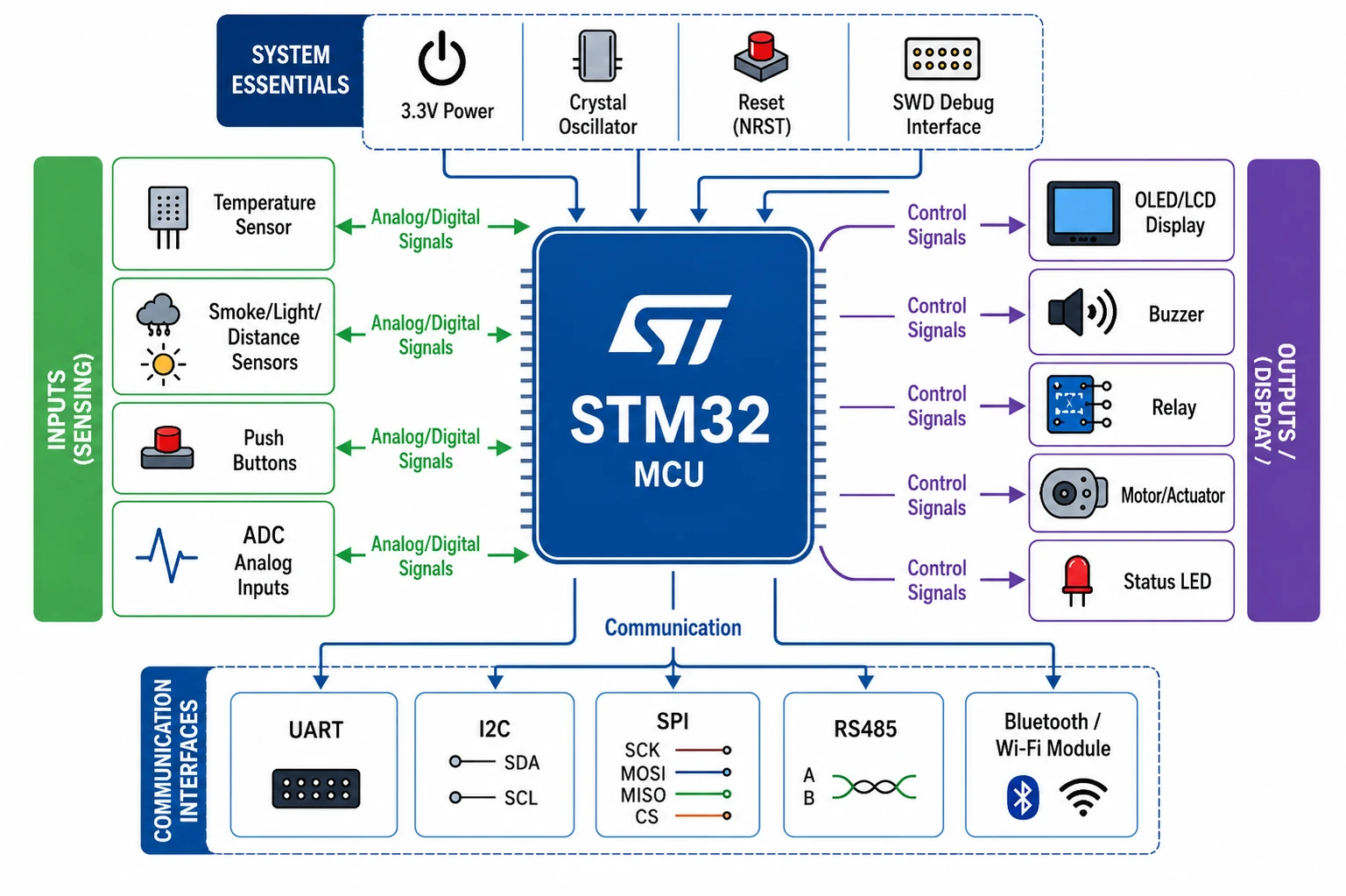
If your project needs many sensor inputs, precise analog readings, multiple serial interfaces or careful timing, STM32 may be the better platform.
STM32 is often preferred when the design depends on:
- More GPIO pins
- More UART, SPI or I2C interfaces
- Better ADC behavior
- Advanced timers
- PWM control
- DMA-based data movement
- CAN, USB or Ethernet support
- More package and performance options
Low-Power and Battery-Powered Devices
Power consumption is another area where STM32 is often preferred, especially for professional low-power devices.
ESP32 can be used in battery-powered projects, but WiFi and Bluetooth can draw significant current when active. For devices that wake up briefly, transmit data and sleep for long periods, ESP32 can work well if the firmware and power design are carefully optimized.
But if your device needs ultra-low standby current, button wake-up, long battery life or more fine-grained power modes, STM32 often gives engineers more control and more MCU options designed around low-power operation.
This is especially important for:
- Battery-powered sensors
- Remote monitoring nodes
- Portable instruments
- Wearable or handheld devices
- Long-standby products
- Industrial equipment with strict power budgets
Explore STM32 Boards for Embedded Control Projects
Need a board for sensor interfaces, motor control, low-power devices or embedded learning? Our STM32 development board page helps you find suitable STM32 modules and boards for prototyping, testing and control-focused applications.
View STM32 Boards by Project
4. STM32 vs ESP32: Key Differences Compared
Here is a practical comparison of STM32 vs ESP32 from a project-selection perspective.
| Feature / Requirement | 🏆 Better Choice | Why |
|---|---|---|
| Built-in WiFi / Bluetooth | ESP32 | Native wireless integration, with no external modules or wireless stacks required for most IoT projects. |
| Analog Sensing (ADC) | STM32 | Many STM32 families offer higher ADC accuracy and better linearity, making them more suitable for precision analog measurements. |
| Industrial / Motor Control | STM32 | Advanced timers, PWM capabilities and real-time control features make STM32 a common choice for industrial systems. |
| Ultra-Low-Power Battery Devices | STM32 | Offers highly optimized sleep modes and ultra-low standby current options for battery-powered applications. |
| Fast IoT Prototyping | ESP32 | Large community support, Arduino and MicroPython compatibility, plus ready-to-use wireless libraries. |
| Low-Level Embedded Learning | STM32 | Provides deeper exposure to MCU architecture, peripheral configuration and register-level programming. |
| Commercial Wireless Products | Depends | ESP32 excels in connected products, while STM32 is often preferred for control-intensive, safety-critical or ultra-low-power designs. |
The important point is that STM32 and ESP32 are optimized for different priorities. ESP32 is not just a weaker STM32 with WiFi. STM32 is not just an ESP32 without wireless. They solve different problems.
If your project is mostly about connectivity, ESP32 is often the direct route. If your project is mostly about control, sensing, timing and long-term reliability, STM32 may be a better foundation.
5. STM32 vs ESP32 for Beginners
For beginners, the best choice depends on what you want to learn.
If you want to build visible projects quickly, ESP32 is very motivating. You can connect to WiFi, send data to a server, control LEDs, use sensors, build a web dashboard or connect to Home Assistant. For project-based learning, ESP32 is often easier and more fun.
If you want to learn embedded systems more deeply, STM32 is often the better long-term platform. It exposes you to clock configuration, peripheral setup, interrupts, timers, DMA, ADCs and low-level debugging. These concepts transfer well to many other ARM microcontrollers.
A good learning path is:
- Start with ESP32 if you want quick IoT results.
- Learn STM32 when you want deeper embedded knowledge.
- Build small projects on both platforms.
- Compare how GPIO, I2C, SPI, UART, ADC and timers are handled differently.
- Move from high-level libraries toward lower-level drivers over time.
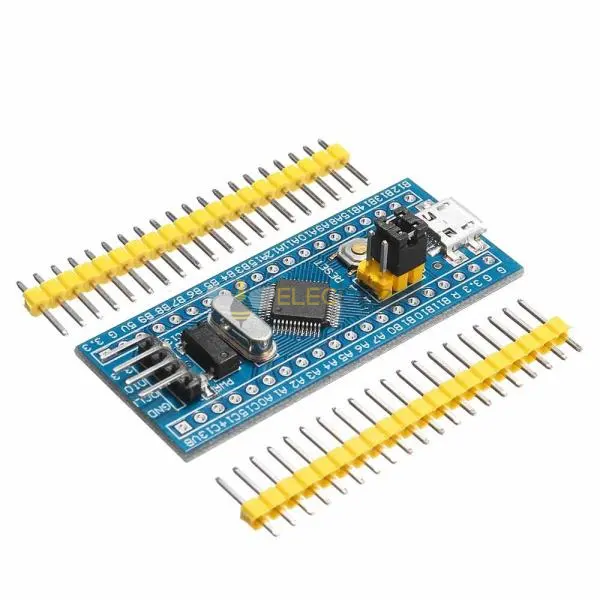
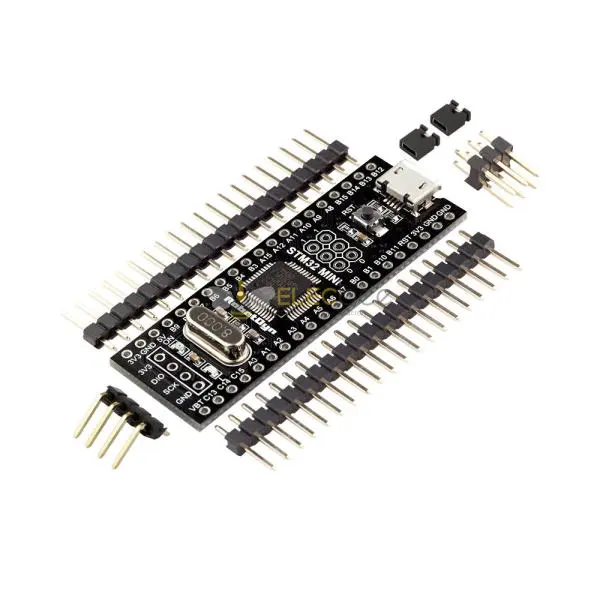
For students and early embedded learners, owning both an ESP32 board and an STM32 Nucleo, Blue Pill or Black Pill style board can be a smart choice. They are affordable, and the contrast between them teaches more than using only one platform.
Beginner Tip: Do not buy only the MCU board. A practical starter setup should also include a breadboard, jumper wires, LEDs, resistors, buttons, sensors and basic measurement tools. These accessories make it much easier to practice GPIO, ADC, I2C, SPI and UART projects.
Should Beginners Start with ESP32?
Start with ESP32 if your goal is to make something interactive quickly. It is a good choice for smart home projects, WiFi sensors, Bluetooth control, mobile app experiments and cloud-connected prototypes.
ESP32 is also a good choice if motivation matters. Seeing a device connect to WiFi and send real data can make embedded learning feel more practical and rewarding.
Should Beginners Start with STM32?
Start with STM32 if your goal is to understand how embedded systems work at a deeper level. STM32 gives you a stronger path into clock trees, interrupts, timers, registers, peripheral configuration and debugging.
STM32 may feel harder at first, but it can build stronger fundamentals for professional embedded work.
6. STM32 vs ESP32 for IoT Projects
For IoT projects, ESP32 usually has the advantage if the main requirement is connectivity.
Choose ESP32 for:
- WiFi sensor nodes
- Bluetooth control devices
- Smart home automation
- ESP32-CAM projects
- MQTT devices
- Cloud-connected prototypes
- Mobile-controlled devices
- Wireless LED control
- Remote data logging
Choose STM32 for:
- Industrial sensor interfaces
- Battery-powered devices with strict power budgets
- Real-time control systems
- Products with many analog inputs
- Devices that need many GPIO or communication interfaces
- Projects where wireless is optional or handled by a separate module
- Control-heavy equipment with occasional connectivity
In some IoT products, STM32 and ESP32 can work together. The STM32 handles real-time control, sensing and hardware reliability, while the ESP32 acts as a wireless communication module. This approach can be useful when you want the control benefits of STM32 and the wireless convenience of ESP32.
💡 Pro Tip for Commercial Products:
Many commercial products use a dual-MCU architecture. An STM32 handles real-time tasks, safety logic, sensor polling and control loops, while an ESP32 acts as a WiFi/Bluetooth co-processor. This separates network connectivity from core machine logic and can make the system easier to design, debug and maintain.
This approach is especially useful when the product cannot allow network behavior to interfere with timing-critical control tasks. For example, a machine controller may use STM32 for motor timing and sensor monitoring, while ESP32 only handles WiFi configuration, cloud reporting or app communication.

7. STM32 vs ESP32 for Commercial Products
A working prototype is not the same as a production-ready product.
When moving from a hobby project to a commercial device, the MCU choice becomes only one part of the decision. You also need to consider reliability, firmware updates, power input protection, ESD, temperature range, manufacturing test, connector orientation, enclosure design and certification.
ESP32 can be a strong choice for low-to-medium volume IoT products, especially when wireless connectivity is central to the product. Pre-certified ESP32 modules can also simplify some wireless design challenges.
STM32 can be a stronger choice when the product needs long-term control stability, low power, many peripherals, precise analog measurement or a wide choice of packages and performance levels.
Before choosing either platform for a commercial product, ask:
- Does the device need WiFi or Bluetooth built in?
- Is the product battery-powered?
- How many GPIO, ADC, UART, SPI or I2C interfaces are required?
- Does the product need real-time control?
- What temperature range is required?
- How will firmware updates be handled?
- How will the PCB be tested during manufacturing?
- Are there certification or compliance requirements?
- Is the selected MCU or module available from reliable suppliers?
- Will the design need to scale from prototype to thousands of units?
⚠️ Commercial Product Warning:
A prototype that works on your desk is not automatically ready for production. Real products need reliable firmware updates, protection against invalid inputs, stable power design, manufacturing tests and a recovery plan when something fails in the field.
These questions matter more than a simple “STM32 is better” or “ESP32 is better” answer.
For commercial products, the better choice is often the one that reduces overall system risk. Sometimes that means ESP32 because wireless is built in and development is faster. Sometimes it means STM32 because the product depends on deterministic control, low power, better analog behavior or long-term hardware flexibility.
8. Common Mistakes When Choosing STM32 or ESP32
One common mistake is choosing ESP32 only because it is popular. ESP32 is excellent for wireless projects, but it may not be the best choice for every control, analog or ultra-low-power application.
Another mistake is choosing STM32 only because it feels more professional. STM32 can be more powerful and flexible, but if your project mainly needs WiFi and a fast prototype, using STM32 plus an external wireless module may add unnecessary complexity.
A third mistake is ignoring power behavior. A board that works perfectly on USB power may not be suitable for a small battery. Wireless transmission, wake-up time and sleep current all affect real battery life.
A fourth mistake is comparing “STM32” as if it were one chip. STM32 is a large family. A small STM32C0, an ultra-low-power STM32L series and a high-performance STM32H series are very different. When comparing STM32 vs ESP32, you should compare the specific STM32 model or board that fits your project.
A fifth mistake is assuming that code and libraries will be easily interchangeable. Even if both platforms use C or C++, the peripherals, drivers, SDKs and project structure are different. Moving from ESP32 to STM32, or from STM32 to ESP32, usually requires adapting the firmware architecture.
The safest approach is to start from the project requirements: wireless connectivity, battery life, GPIO count, analog accuracy, real-time control, development speed and production plans. Once these are clear, the choice between STM32 and ESP32 becomes much easier.
9. Final Recommendation: Which One Should You Choose?
If your project is a connected IoT device, wireless sensor, smart home controller or fast prototype, choose ESP32 first. It gives you built-in WiFi and Bluetooth, a large community and many ready-to-use development boards.
If your project is focused on industrial control, precise timing, analog measurement, low-power operation or professional embedded learning, choose STM32 first. It gives you a broader MCU family, stronger peripheral options and a better path into low-level embedded development.
If you are learning embedded systems seriously, learn both. ESP32 will help you build connected projects quickly. STM32 will help you understand embedded hardware more deeply.
In real engineering, the best developers are not loyal to one chip family. They choose the right tool for the project.
The best summary is:
- Choose ESP32 for WiFi, Bluetooth, IoT prototypes and fast connected projects.
- Choose STM32 for control, peripherals, low power, analog sensing and professional embedded fundamentals.
- Use both when your product needs reliable real-time control and separate wireless connectivity.
10. FAQ
Is ESP32 better than STM32?
ESP32 is better for projects that need built-in WiFi, Bluetooth or quick IoT prototyping. STM32 is usually better for precise control, low-power operation, analog performance and projects that need a wider range of MCU options.
Is STM32 better for learning embedded systems?
STM32 is often better for learning low-level embedded concepts because it exposes more hardware details, such as clocks, registers, timers, interrupts and peripheral configuration. ESP32 is often easier for project-based IoT learning.
Can ESP32 replace STM32?
ESP32 can replace STM32 in some wireless or simple control projects, but not in every application. If your project needs advanced timers, better ADCs, strict low-power modes or many peripherals, STM32 may still be the better choice.
Which is better for IoT, STM32 or ESP32?
For most WiFi or Bluetooth IoT prototypes, ESP32 is easier. For industrial IoT devices, battery-powered products or systems with demanding sensor and control requirements, STM32 may be better, sometimes with a separate wireless module.
Should beginners buy ESP32 or STM32?
Beginners who want fast results should start with ESP32. Beginners who want to learn professional embedded concepts should also try STM32. Since both boards are affordable, learning both is often the best path.
Is ESP32 good for commercial products?
ESP32 can be used in commercial products, especially when WiFi or Bluetooth is central to the product. However, commercial designs must also consider power behavior, certification, firmware updates, reliability, supply chain and manufacturing tests.
Is STM32 good for IoT projects?
STM32 can be very good for IoT projects, especially when the device needs low power, precise sensing or reliable control. If wireless connectivity is required, STM32 may need an external WiFi, Bluetooth, LoRa or cellular module.
Can STM32 and ESP32 be used together?
Yes. In some designs, STM32 handles real-time control and sensor processing, while ESP32 provides WiFi or Bluetooth connectivity. This dual-MCU approach can be useful for commercial IoT products that need both reliable control and wireless communication.
Which is better for battery-powered devices?
For battery-powered products, STM32 is often preferred because many STM32 families offer ultra-low-power modes and lower standby current. ESP32 can still be used in battery applications, but wireless connectivity usually increases overall power consumption.
Related guides
- If you are comparing microcontrollers with Linux-capable boards, read our ESP32 vs Raspberry Pi comparison guide.
- If you already know ESP32 fits your project, continue with our guide to choosing the best ESP32 board.
- If you are learning embedded systems from the beginning, see STM32 vs Arduino for beginners.