

 0
0
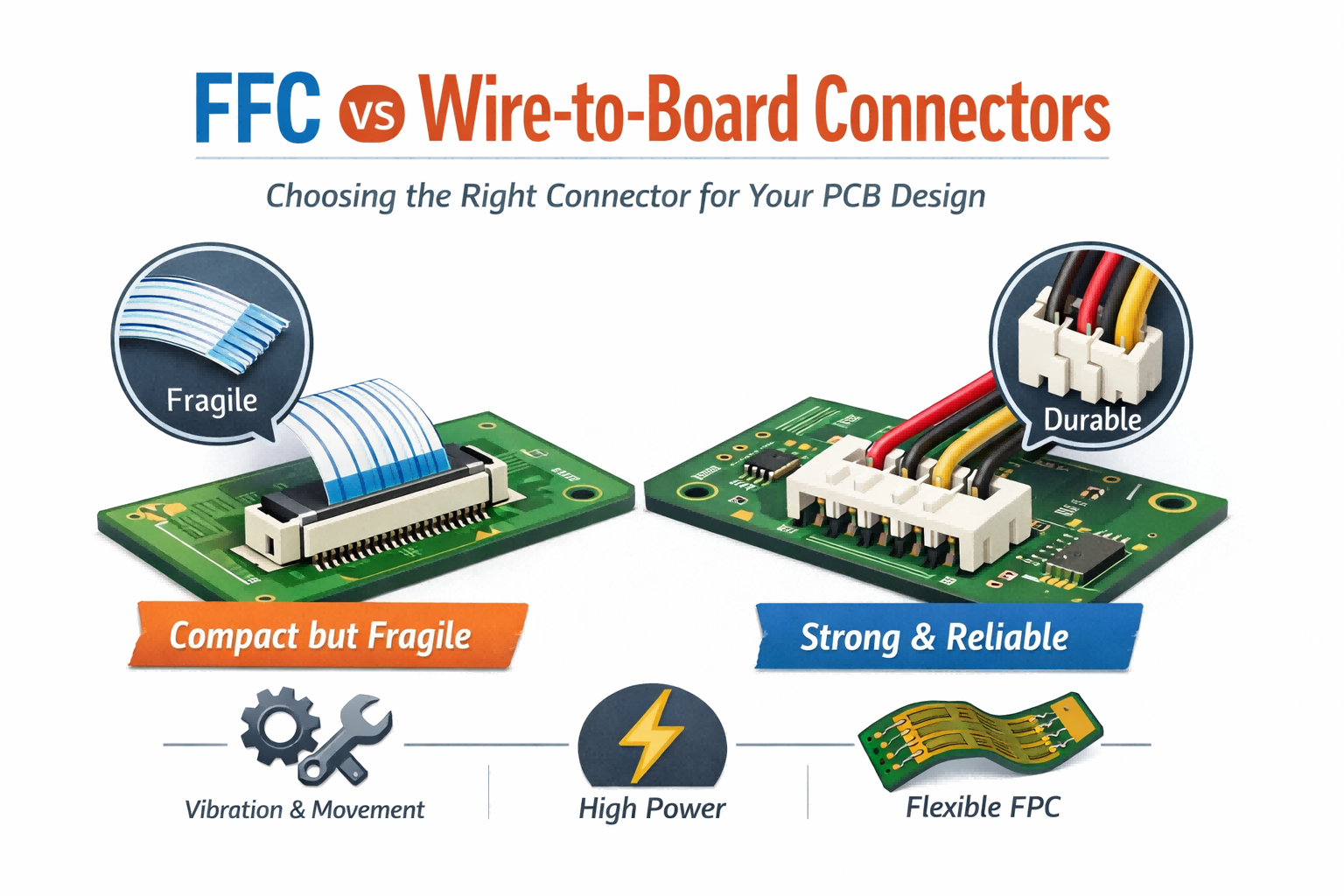
Choosing the right connector is critical in any PCB or embedded system design. Among the most commonly debated options are FFC (Flat Flexible Cable) and wire-to-board connectors. While both serve similar purposes—connecting PCBs—they differ significantly in reliability, flexibility, and application scenarios.
This guide breaks down the differences, real-world issues, and best use cases based on actual engineering discussions.
1. What Are FFC, FPC, and Wire-to-Board Connectors?
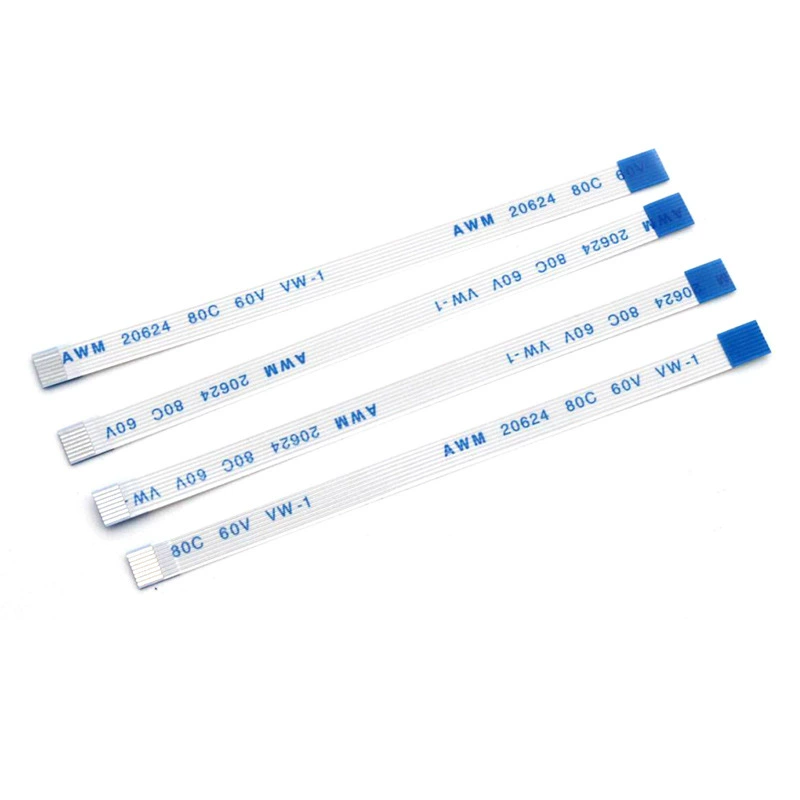
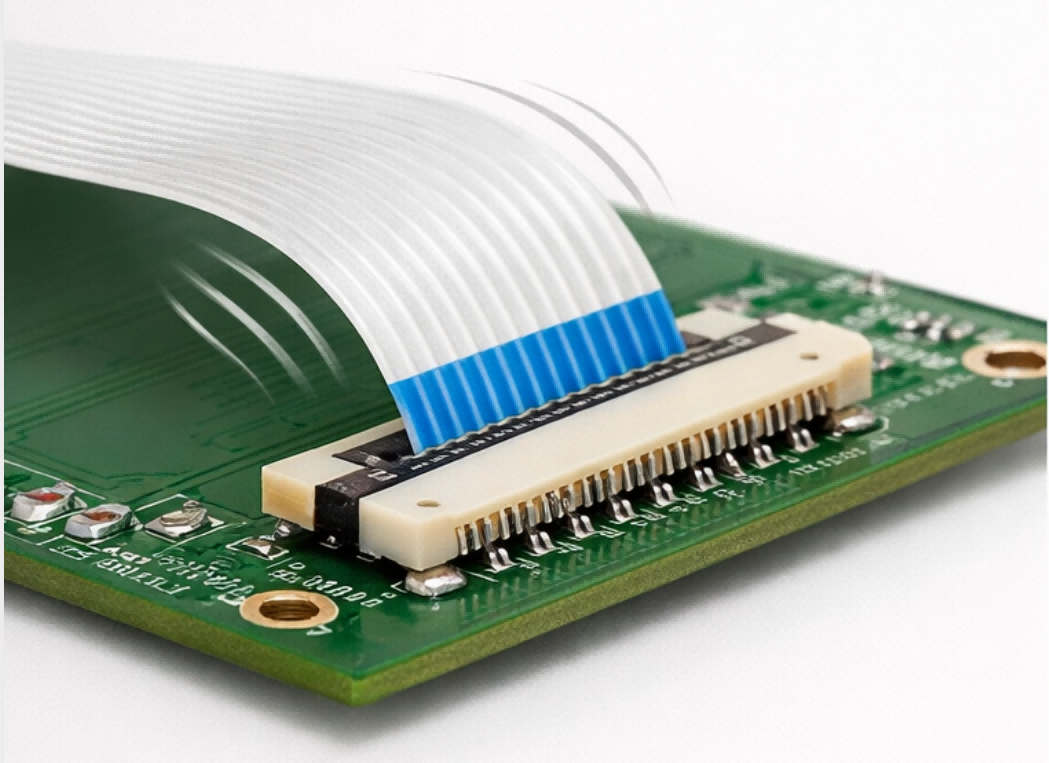
FFC (Flat Flexible Cable)
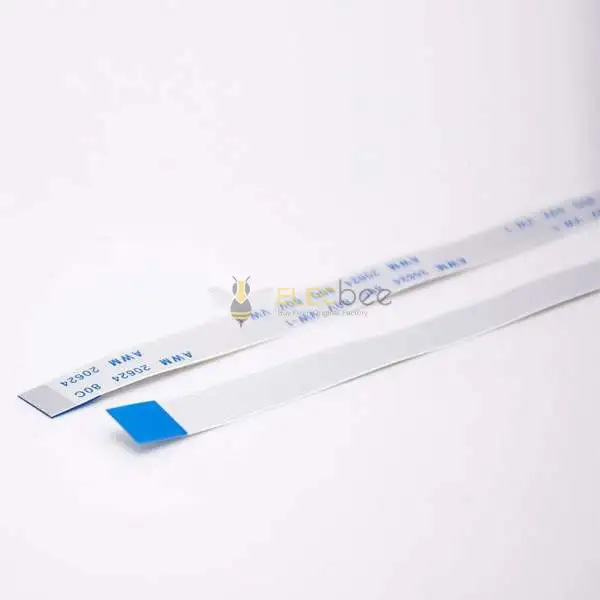
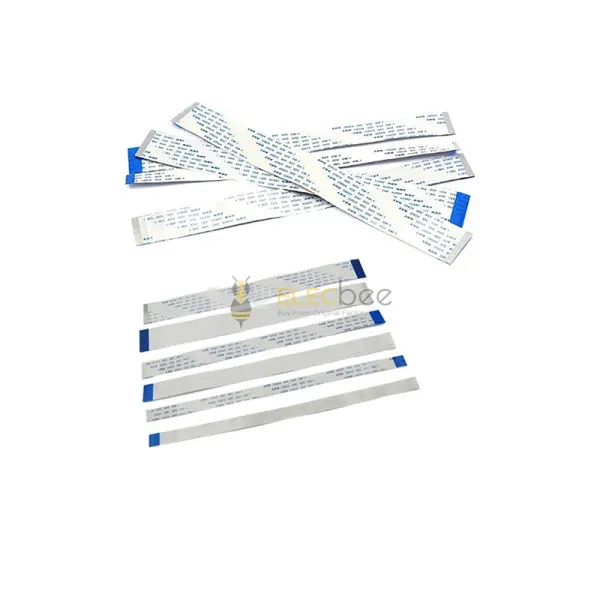
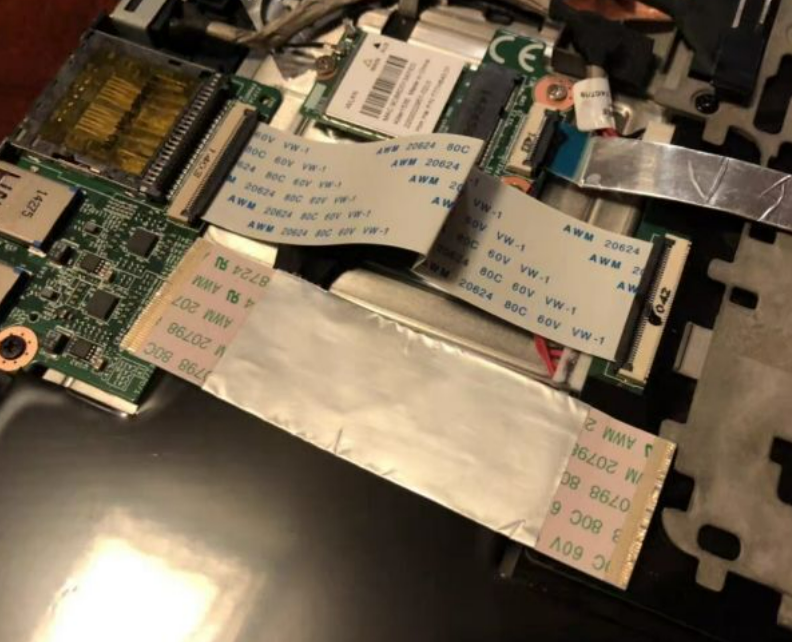
FFC cables are thin, flat cables with parallel conductors. They are widely used in compact electronics like displays, laptops, and cameras.
FPC (Flexible Printed Circuit)
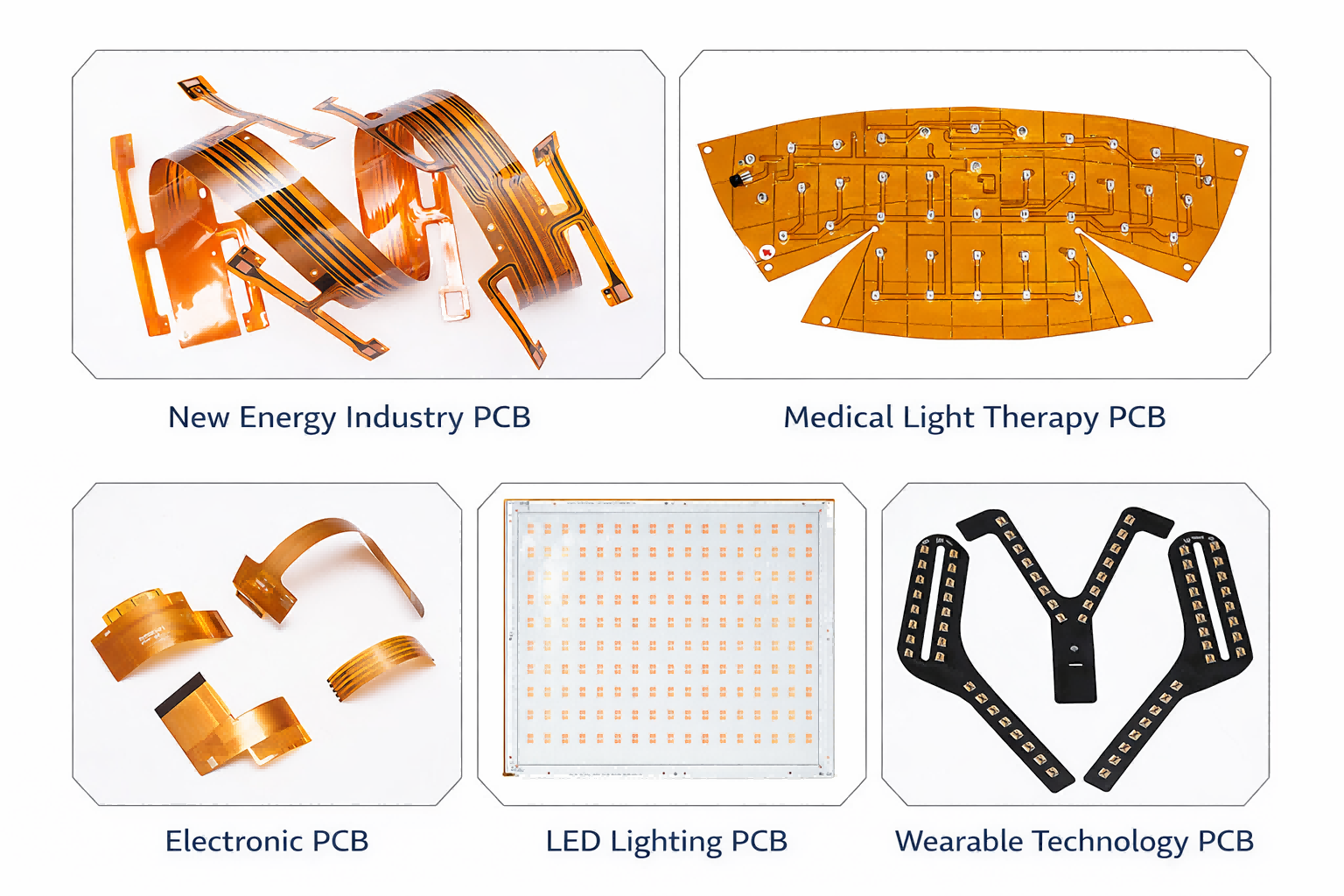
FPC is essentially a flexible PCB. Unlike FFC, it can include components, shielding, and complex routing.
Wire-to-Board Connectors
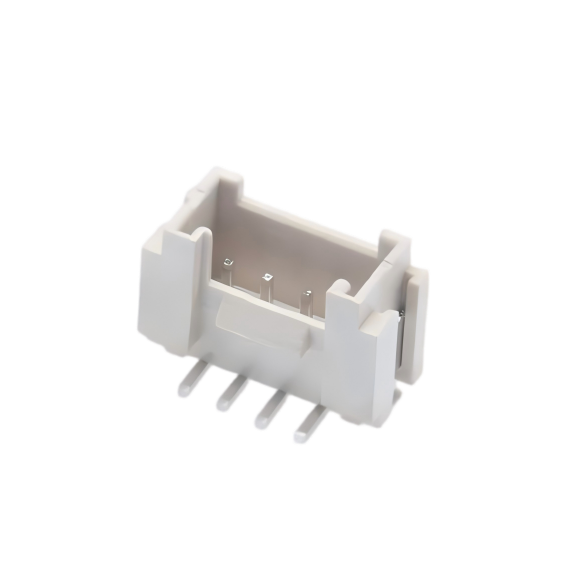
These connectors use discrete wires and are typically paired with crimp terminals and housings. They are common in industrial and power applications.
2. FFC vs Wire-to-Board: Key Differences
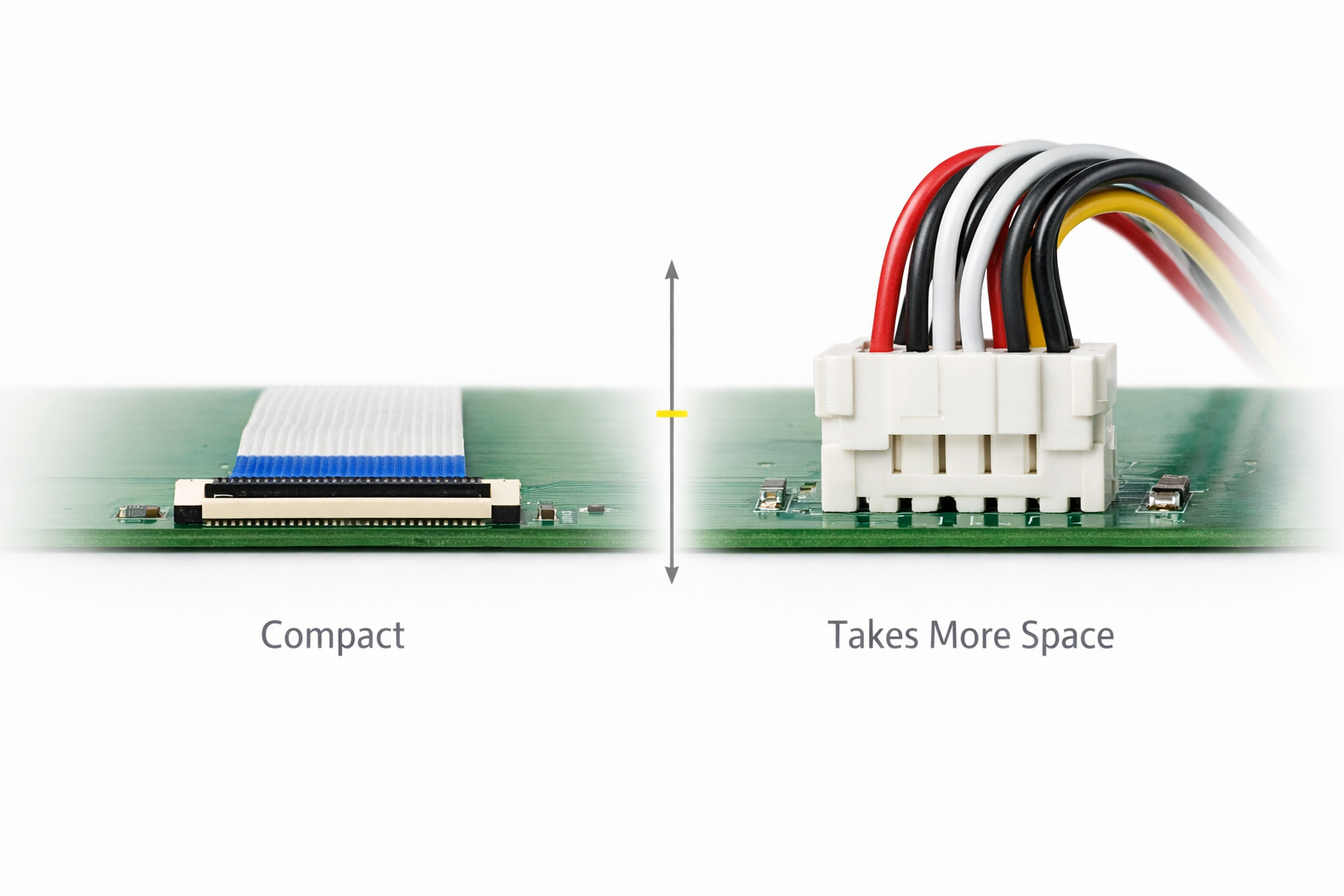
Size and Space
FFC is ideal for ultra-compact designs. Wire-to-board connectors require more space due to housing and wires.
Assembly
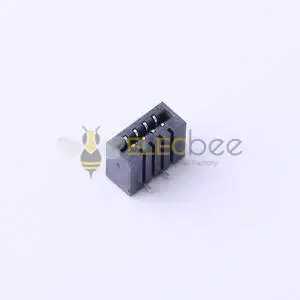
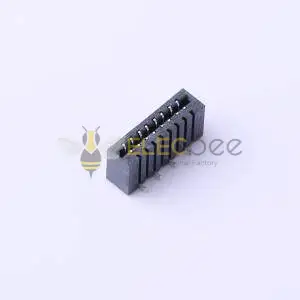
FFC uses ZIF connectors for quick insertion, while wire-to-board requires crimping or pre-assembled cables.
Cost
- FFC: lower cost in high volume
- Wire-to-board: higher upfront but more robust
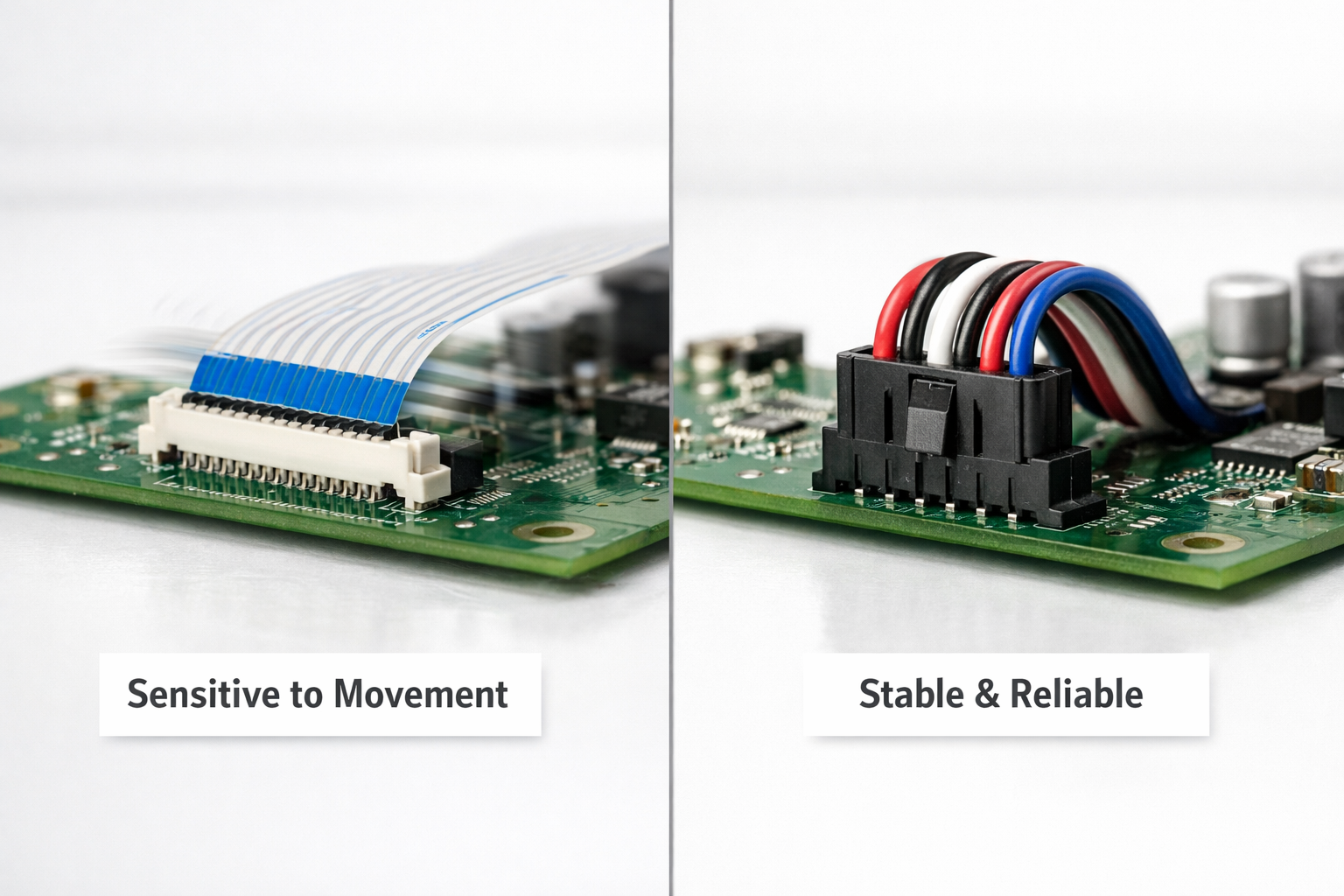
Reliability
Wire-to-board connectors are generally more durable, especially in environments with vibration or movement.
3. FFC vs FPC vs Ribbon Cable: What’s the Real Difference?
| Type | Pros | Cons |
|---|---|---|
| FFC | Thin, lightweight | Fragile, limited movement |
| FPC | Highly customizable | Expensive, longer lead time |
| Ribbon | Strong, flexible in motion | Bulky |
From engineering discussions, one key takeaway is:
FFC is compact but fragile, while ribbon cables are larger but more robust.
4. Compatibility: Can You Use FFC with an FPC Connector?
Technically, yes.
As engineers point out:
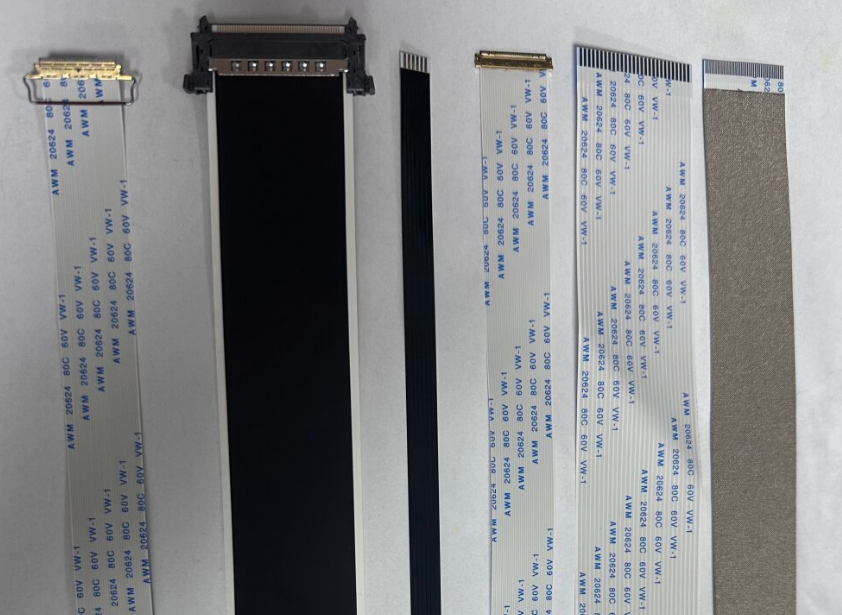
- If pitch, thickness, and pin count match, FFC and FPC are interchangeable
However, problems arise when:
- The cable is not properly latched
- The connector is not designed for movement
- Mechanical alignment is slightly off
5. Common Problems with FFC (Real-World Issues)
Signal Instability
Users reported:
- SPI signal loss
- Noisy communication
Cause:
Loose connection or cable movement
Movement Sensitivity
FFC cables are not designed for dynamic motion.
They perform best in fixed installations.
Alignment Risks
Using fewer pins than connector width can lead to:
- Misalignment
- Short circuits
6. When Should You Use Wire-to-Board Instead?
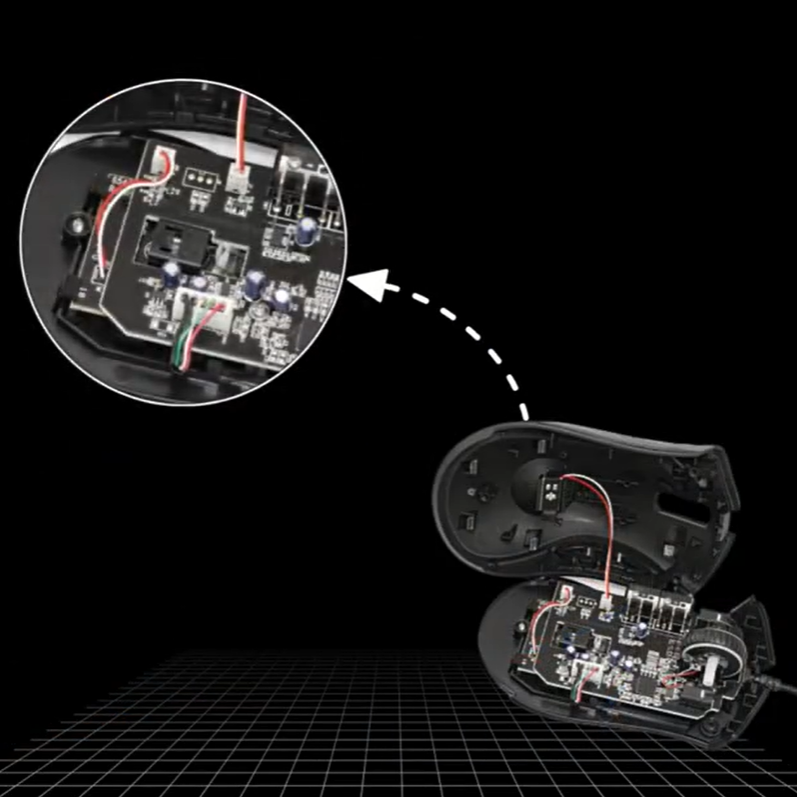
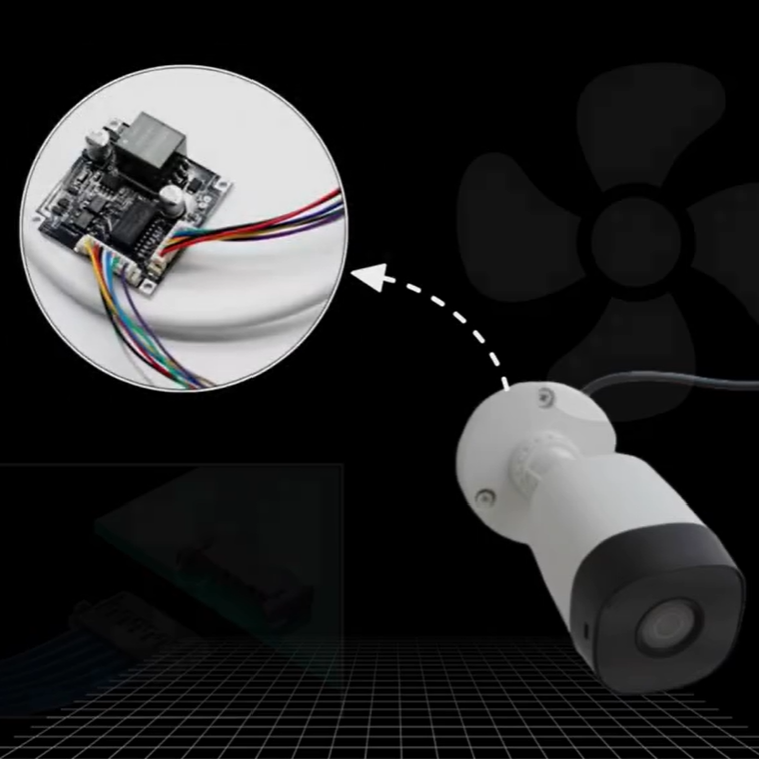
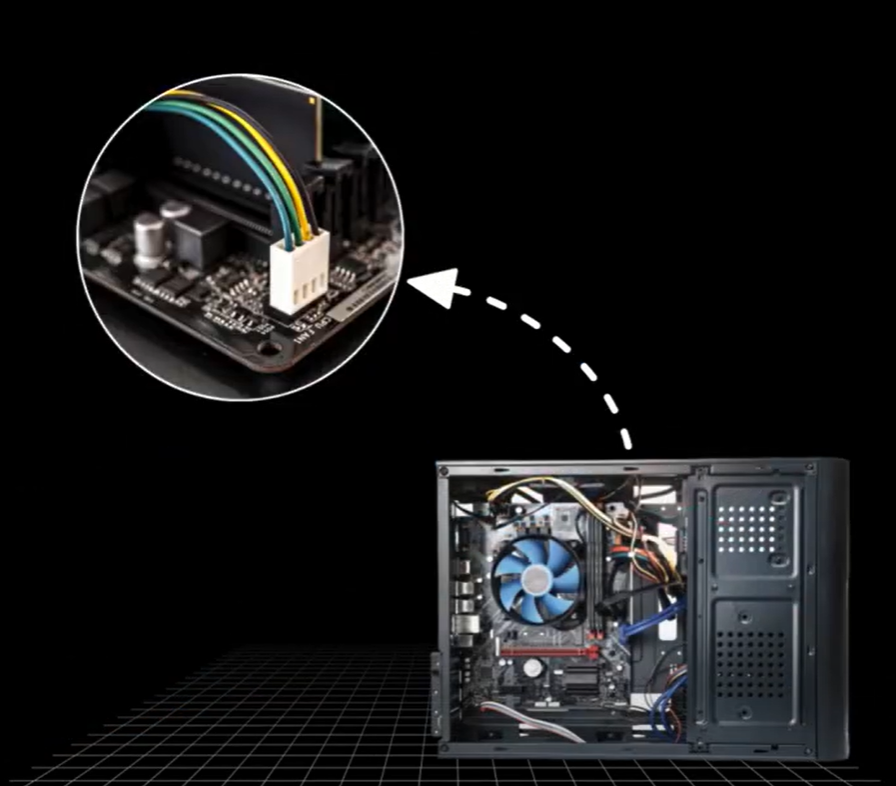
Wire-to-board connectors are better when:
There is movement or vibration
FFC can fail if bent repeatedly or moved during operation.
Higher current is required
FFC has limitations in current capacity.
Long-term reliability is critical
Industrial systems favor wire-based solutions.
7. How to Choose the Right Connector
Step-by-step guide:
Choose FFC if:
- Space is extremely limited
- Connection is static
- Cost needs to be minimized
Choose Wire-to-Board if:
- System experiences movement
- You need higher durability
- Power delivery is important
Choose FPC if:
- You need custom routing or shielding
- Integration of components is required
8. Conclusion
There is no one-size-fits-all answer when comparing FFC vs wire-to-board connectors.
- FFC = compact, cost-effective, but fragile
- Wire-to-board = durable, flexible, but larger
- FPC = powerful but expensive
The right choice depends on your mechanical constraints, reliability requirements, and signal performance needs.
FAQ
Q: Can I replace a wire-to-board connector with FFC?
A: Only if the system is static and low-power.
Q: Why does my FFC connection lose signal?
A: Usually due to movement, poor latching, or alignment issues.
Q: Is FPC better than FFC?
A: FPC is more flexible and customizable, but also more expensive.