

 0
0
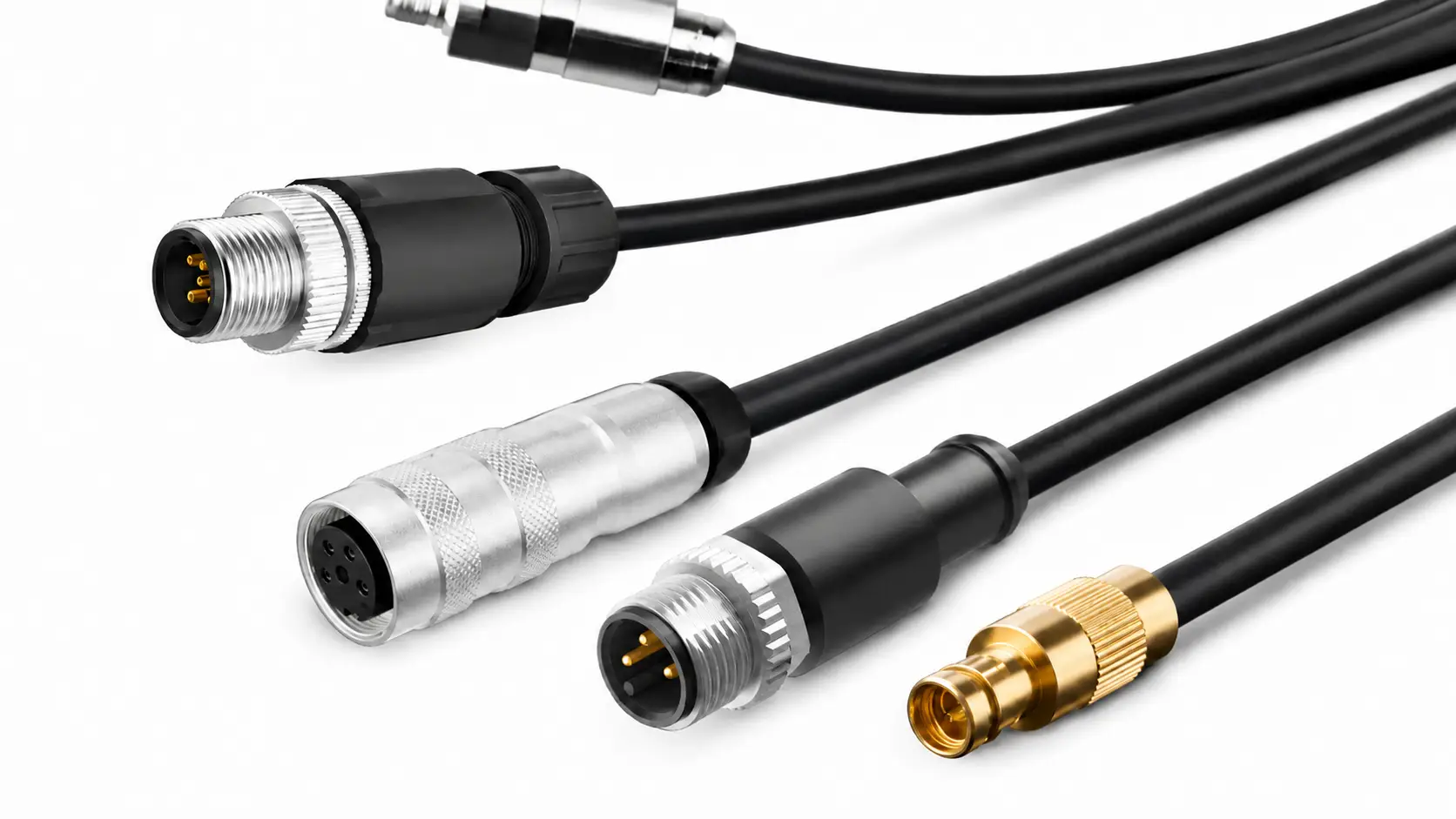
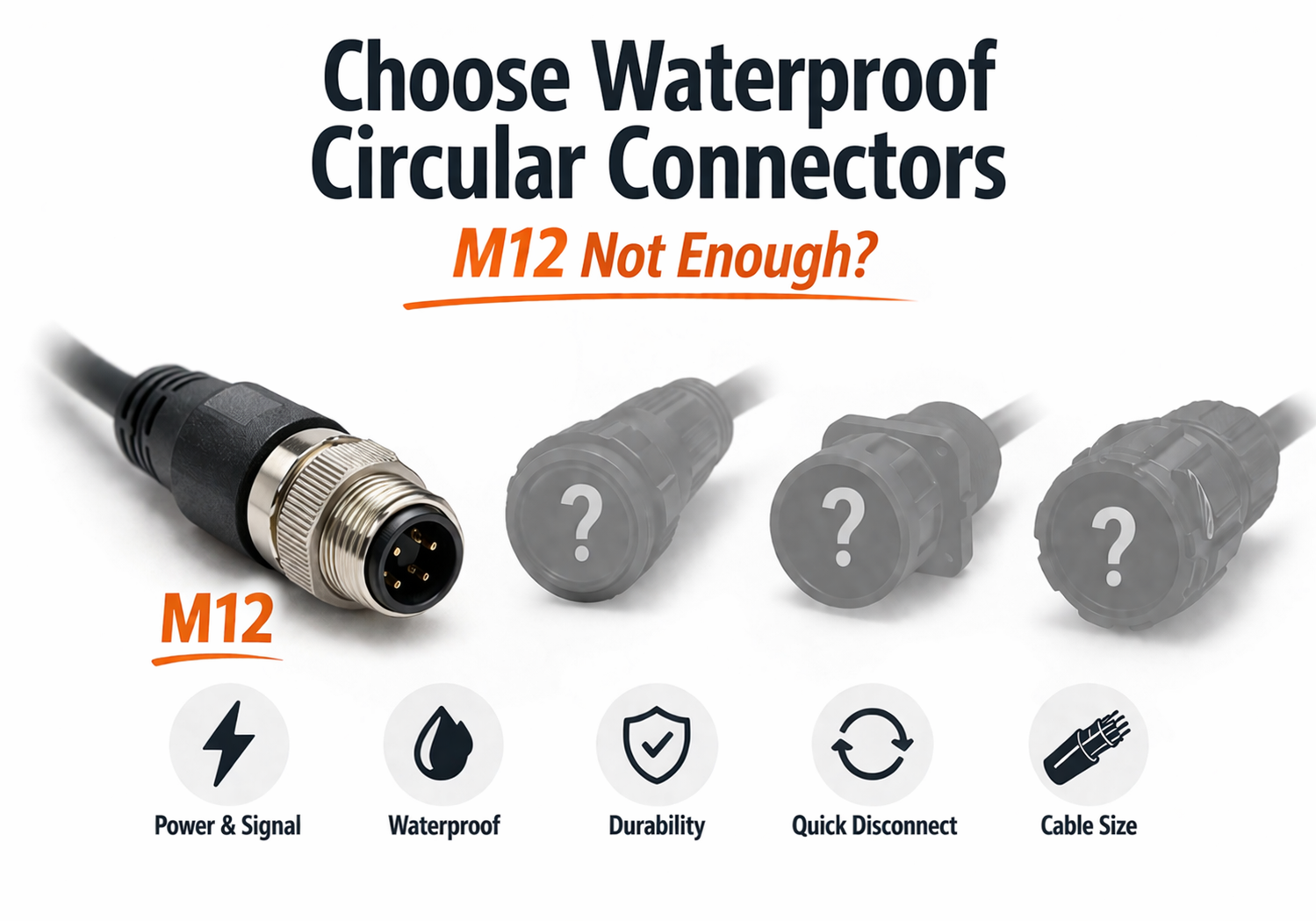
When people search for waterproof circular connectors, they often begin with M12 because it is familiar, widely available, and strongly associated with industrial sensors and automation. That makes sense, because M12 connectors are proven, compact, and easy to source in pre-made cable assemblies, yet many real-world projects quickly reveal that M12 is not always the best fit once power requirements, enclosure mounting, wire size, or field serviceability start to matter.
That is exactly what many DIY builders, vehicle modders, and outdoor electronics users discover after their first few projects. While M12 works well for sensors and compact industrial connections, it can feel restrictive when you need a removable quick-disconnect, a larger cable entry, more rugged handling, or a connector that carries both power and signal without becoming difficult to assemble. If you have reached the point where M12 feels too small, too specialized, or simply inconvenient, choosing from the broader family of waterproof circular connectors is often the smarter move.
1. Why M12 Connectors Are Not Always Enough
M12 connectors became popular because they offer a practical balance of size, sealing, and industrial reliability, which makes them excellent for sensors, actuators, and control wiring in factories and machine systems. They are also attractive because many users can buy ready-made cables, which reduces installation time while improving consistency in the field.
However, the strengths of M12 are also the reason it becomes limiting in other applications. If your project needs thicker wire, higher current, larger hoses, easier hand assembly, or a more forgiving DIY installation process, M12 may start to feel too constrained. This happens frequently in outdoor hobby builds, e-bike wiring, vehicle boxes, removable prop assemblies, and small automation systems where service access matters as much as compactness.
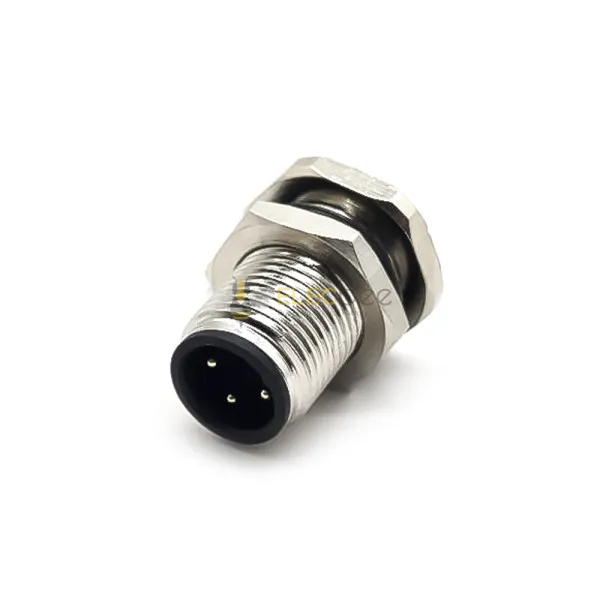
Another common issue is format flexibility. Many users do not just need a sealed cable connector; they need a bulkhead waterproof connector that mounts cleanly through a panel or enclosure wall, because that makes upgrades and repairs much easier later. While M12 has panel-mount options, users often find that larger waterproof circular connectors offer a more comfortable mechanical fit, especially when cables are thicker or connectors are handled with gloves, tools, or limited working space.
2. What Users Really Want From Waterproof Circular Connectors
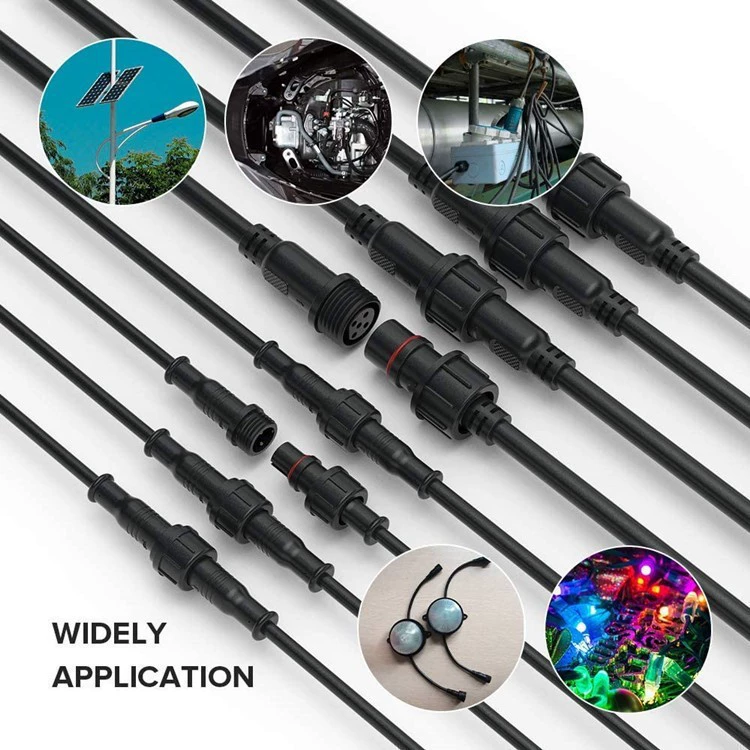
Across real-world engineering discussions, the same pattern appears again and again: users are not simply asking for “something waterproof.” They are asking for a connector that works in the context of a real project, which means the connector must fit the wire, survive the environment, and remain practical to disconnect and reassemble later.
One common requirement is combining power and signal in one connector, especially in garden automation, vehicle control boxes, and sensor systems where users want to carry CAN, relay signals, or low-voltage control together with 12V or 24V power. In those cases, the connector needs enough contacts, acceptable current capacity, and a layout that does not turn assembly into a frustrating compromise.
Another major requirement is maintenance. Outdoor systems, pelican cases, weather stations, DIY props, and e-bike components are rarely installed once and forgotten forever, because people eventually need to move them, troubleshoot them, or upgrade part of the system. That is why removable waterproof circular connectors are often preferred over hard wiring, even though a cable gland and sealed enclosure may be more robust in purely static installations.
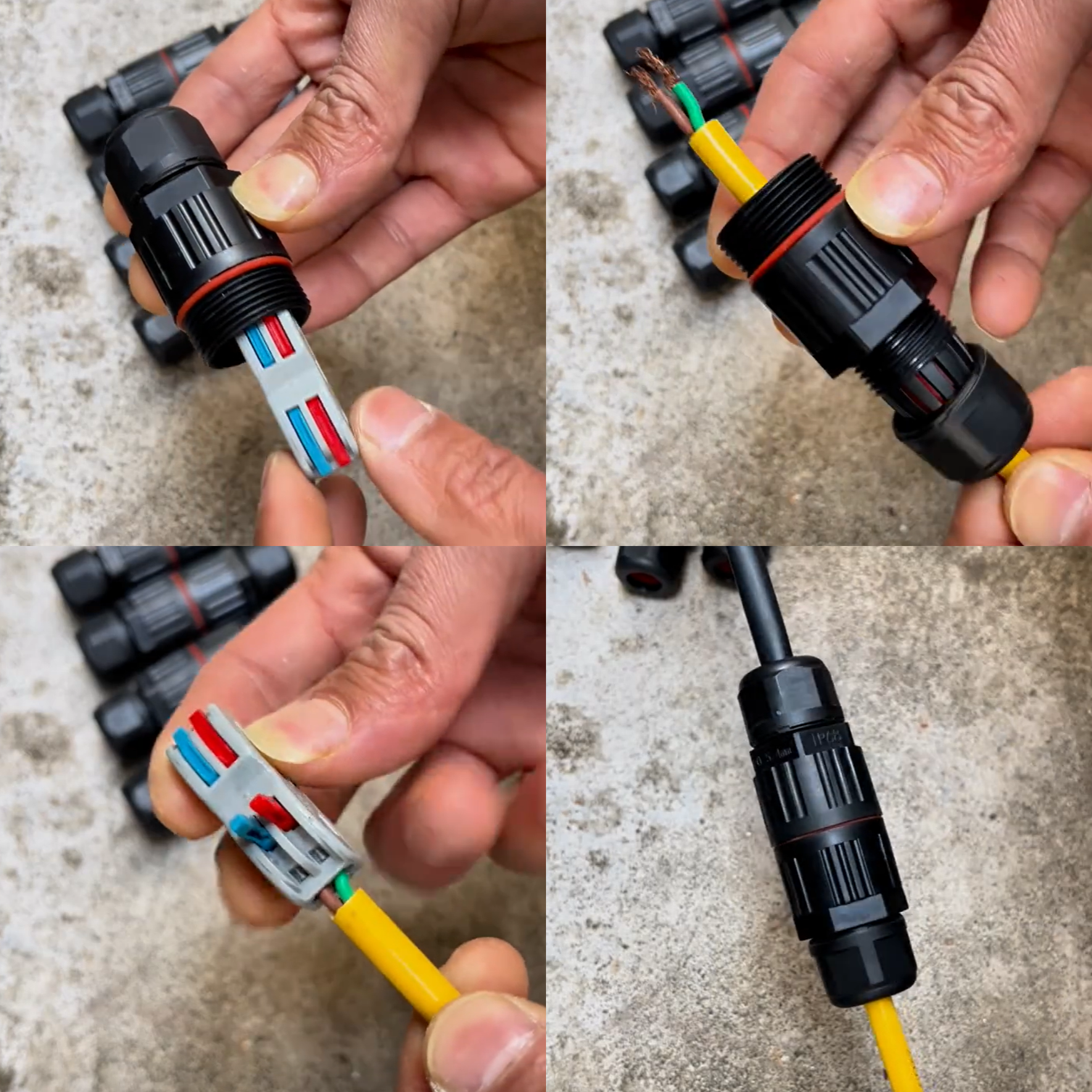
3. The Most Practical Waterproof Circular Connector Alternatives to M12
If you are looking for M12 connector alternatives, several families appear repeatedly because they solve different problems better than M12 does.
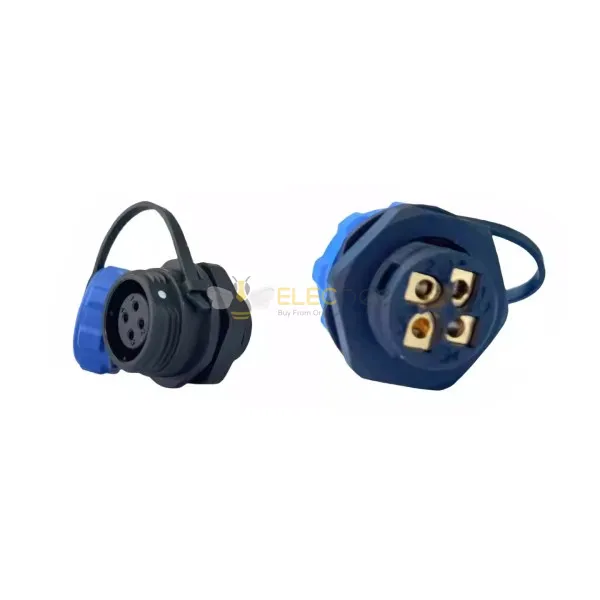
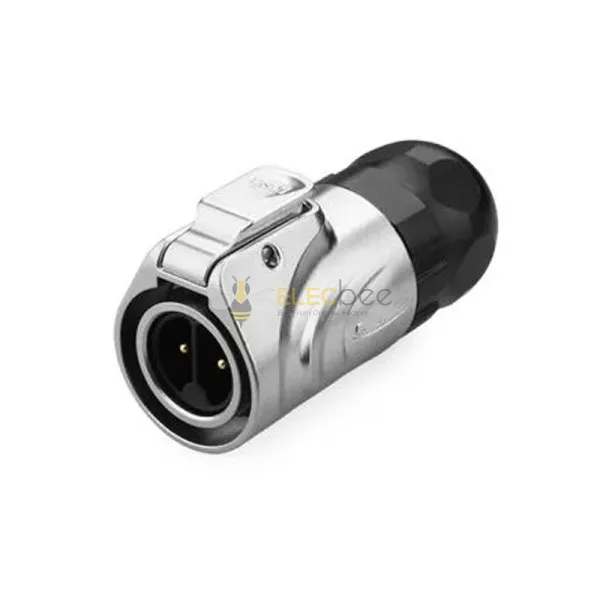
LP16 and LP20 connectors are popular in DIY and custom builds because they are relatively approachable, visually compact for their capacity, and available in multiple pin counts. They are especially useful when builders want a removable hose or cable assembly, as seen in prop and quick-release projects, where a threaded circular connector feels cleaner and more practical than a permanent hardwired solution. LP20, in particular, makes sense when cable size or mechanical handling pushes beyond what M12 comfortably supports.
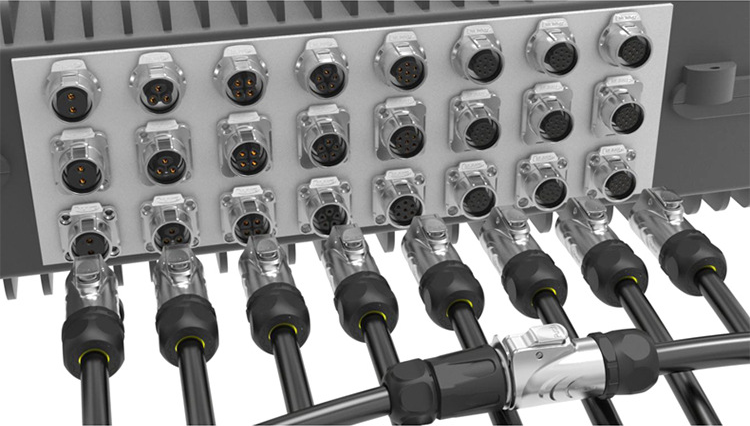
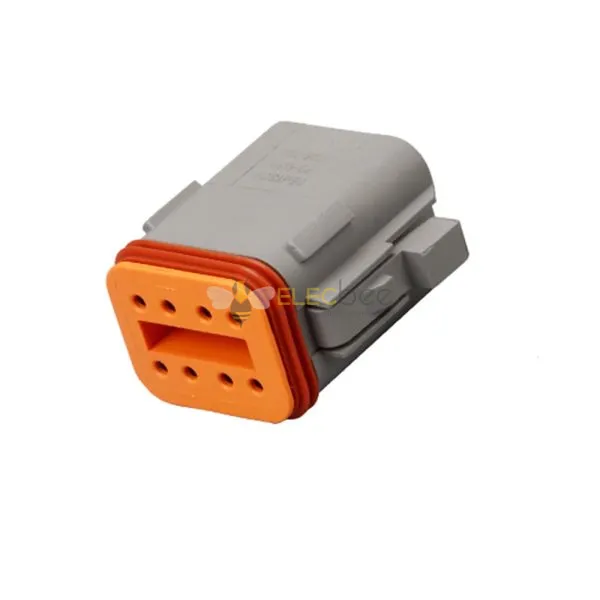
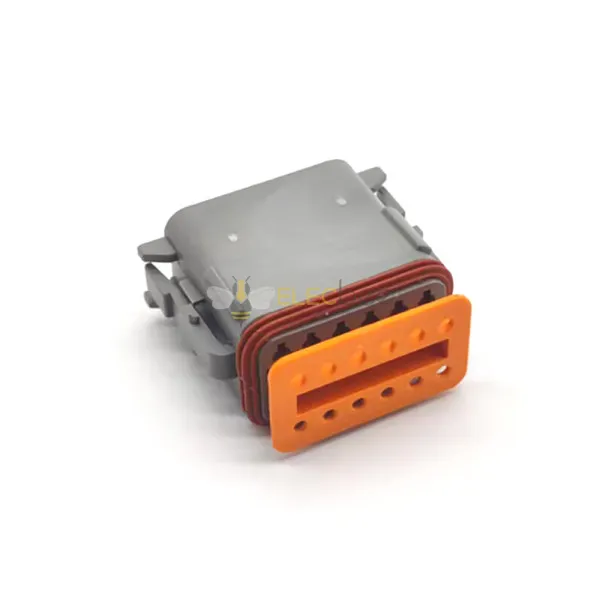
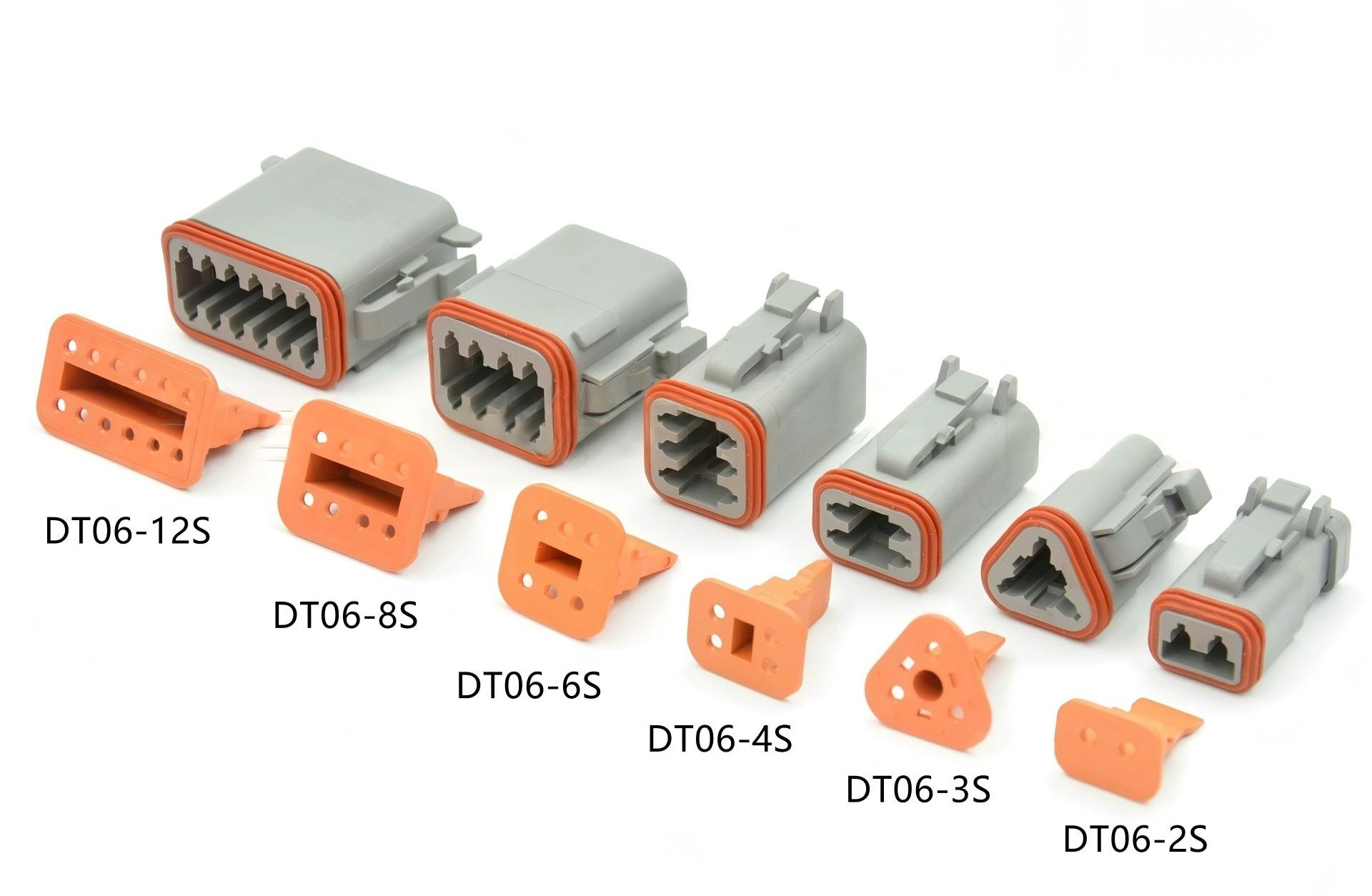
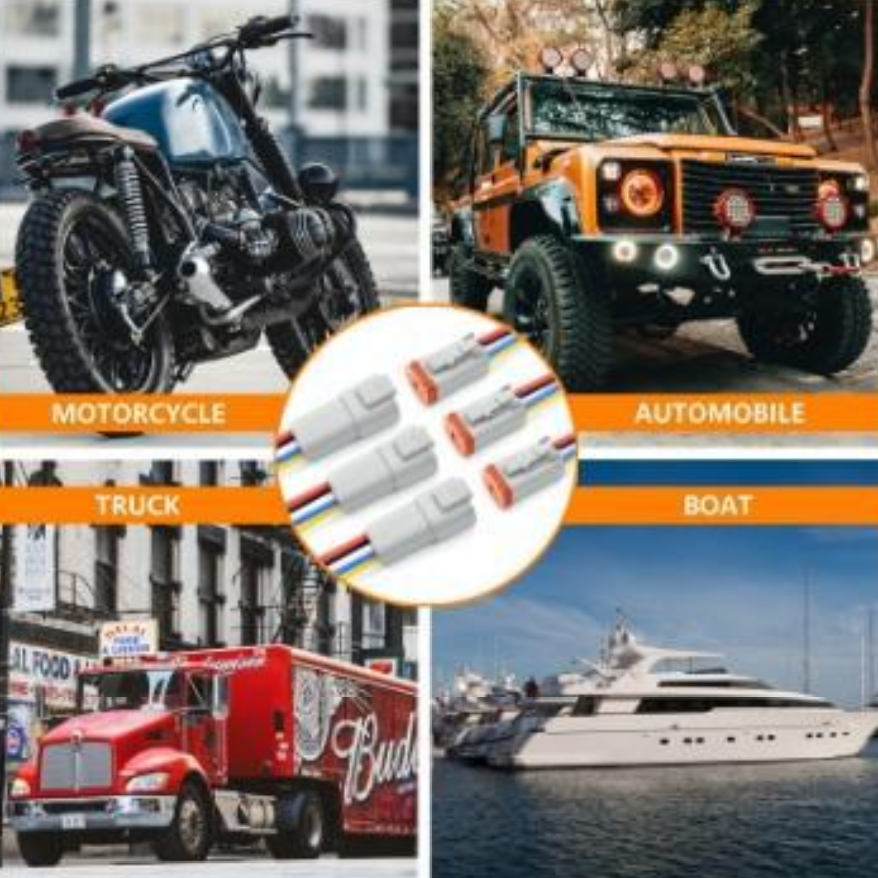
Deutsch DT series is a strong choice for vehicle and rugged low-voltage wiring. These connectors are widely respected in automotive environments because they are sealed, durable, and designed for harsh use, which makes them a smart option for relays, vehicle-mounted enclosures, lighting systems, and mobile equipment. Their biggest downside is that assembly may require the right tools and a little more preparation, but in exchange you get a connector family that is built around reliability rather than convenience alone.
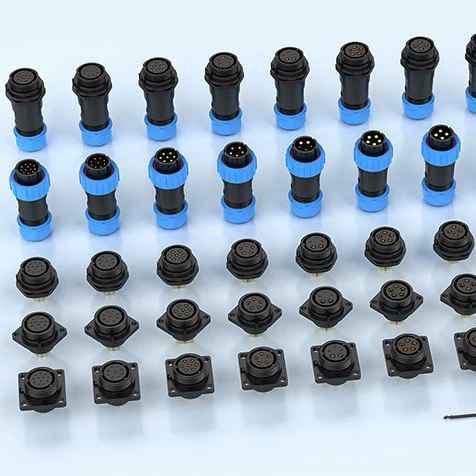
SP13 and SP21 style connectors, including lower-cost variants inspired by WEIPU designs, are often chosen by makers and budget-sensitive users who want a sealed circular connector without moving into premium industrial pricing. These can work well for outdoor electronics, sensor boxes, and general low-voltage projects, although long-term quality varies by supplier, which means product selection matters more than the catalog photo suggests.
For more specialized needs, hybrid industrial circular connectors deserve attention because they combine signal contacts and power contacts in one interface. If your project includes mixed loads, such as communication lines plus supply voltage, these connectors can reduce cable clutter while improving system organization, although they are usually more expensive than mainstream hobby options.
Waterproof Circular Connectors Comparison
| Connector Type | Best For | Strengths | Limitations | Typical Use Cases |
|---|---|---|---|---|
| M12 | Industrial sensors and compact automation wiring | Standardized, compact, widely available, easy to source pre-made cables | Limited space for thicker wire, less flexible for mixed DIY needs, can feel small for higher-power or larger-cable projects | Sensors, actuators, compact control systems |
| LP16 | Small removable DIY assemblies | Sealed, relatively compact, suitable for quick-disconnect builds, easier for custom projects than many industrial standards | Less standardized than M12, quality may vary by source | DIY electronics, props, small outdoor devices |
| LP20 | Larger removable waterproof connections | More room for cable diameter, better handling, useful for power + signal, good for custom quick-release builds | Bulkier than M12, not always ideal for very tight installations | DIY builds, removable hose/cable systems, e-bike or outdoor equipment |
| Deutsch DT Series | Vehicle and rugged low-voltage wiring | Strong sealing, durable, automotive-proven, reliable in vibration-heavy environments | Often needs specific crimp tools, less “plug-and-play” for casual DIY users | Vehicles, relays, mobile equipment, lighting systems |
| SP13 / SP21 | Budget outdoor circular connections | Affordable, sealed, available in multiple pin counts, suitable for many low-voltage projects | Supplier quality varies, less consistent than premium industrial brands | Garden projects, weatherproof boxes, hobby enclosures |
| Hybrid Industrial Circular Connectors | Mixed power and signal applications | Can combine signal and power contacts, cleaner cable management, industrial-grade options available | Higher cost, selection process is more complex | CAN + power, control systems, industrial outdoor equipment |
4. How to Choose Based on Your Application
The best waterproof circular connector depends far more on the application than on the IP rating printed in the listing. A weather station, for example, may not need a highly removable connector at all, because a cable gland with sealed internal terminations may provide better long-term reliability if the system is mostly static. In that situation, the simplest solution is sometimes the most robust, even though it is less convenient during maintenance.
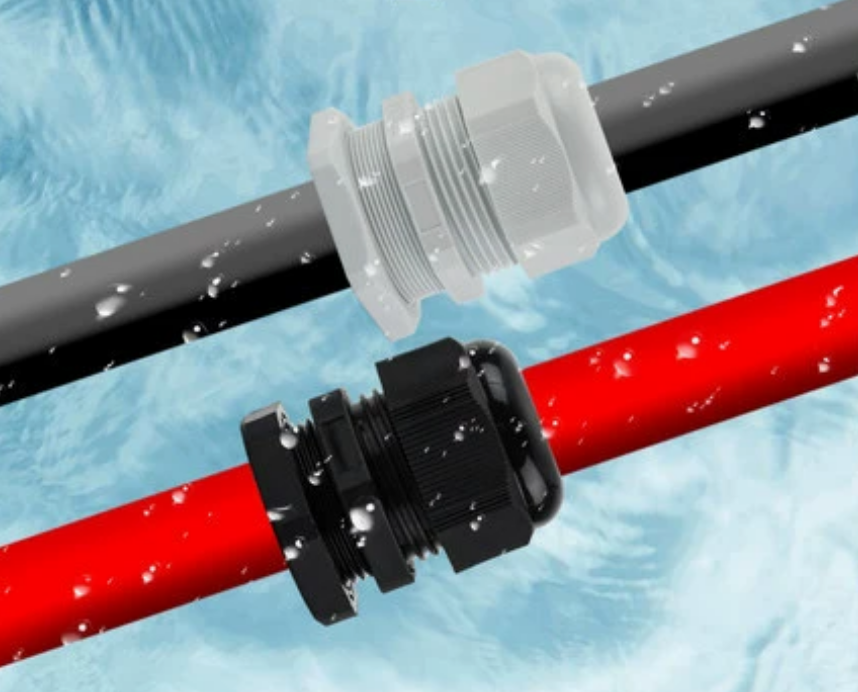
For vehicle, e-bike, and mobile equipment projects, the priorities change because vibration, dirt, repeated unplugging, and enclosure mounting become more important. This is where Deutsch-style connectors and rugged sealed circular connectors often outperform M12, because they are built for real-world abuse rather than neat cabinet wiring. If the connector will be mounted in a pelican case or on a vehicle body, a flange-mount or bulkhead design becomes especially valuable.
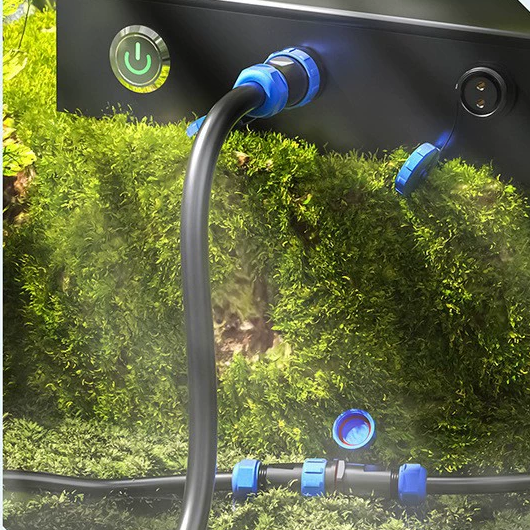
For garden automation and low-voltage control networks, the need to carry both communication and power in one cable often pushes users toward larger waterproof circular connectors. This is particularly true when 24V supply and CAN bus share the same cable run, because contact count alone is not enough; cable diameter, strain relief, and long-term sealing also matter. In these cases, M12 may still work, but only when the electrical and mechanical constraints remain comfortably within its range.
DIY prop builds sit in a different category because appearance, removability, and available space all matter at once. That is why connectors such as LP16 or LP20 show up so often in maker communities: they offer a good balance of visual neatness, practical assembly, and enough size flexibility for custom hose or wand builds, making them more adaptable than standard industrial sensor connectors.
Quick Selection Guide
| If your project needs... | Better choice |
|---|---|
| Compact sensor wiring in industrial equipment | M12 |
| A removable connector for a DIY custom build | LP16 or LP20 |
| Better durability on vehicles or mobile equipment | Deutsch DT |
| A low-cost sealed connector for outdoor electronics | SP13 or SP21 |
| One connector for both power and signal | LP20 or hybrid circular connectors |
| Clean box mounting through an enclosure wall | Bulkhead or flange-mount circular connectors |
5. Key Specifications You Should Compare Before Buying
Before choosing any waterproof circular connector, compare the pin count, wire gauge, and current rating together rather than separately. Many connector mistakes happen because a user sees the right number of pins and assumes the connector is suitable, while ignoring whether the contacts can comfortably handle the wire size or current required by the application.
You should also compare mounting style. Some connectors are inline cable connectors, while others are true panel-mount or bulkhead parts designed for enclosures. If your project needs a clean pass-through on a box wall, that detail matters a great deal, because improvising with epoxy or oversized holes often creates future problems in sealing and serviceability.
Locking style matters too. Threaded connectors are popular because they feel secure and intuitive, although bayonet and latch systems can be faster in repeated field use. The best locking style depends on whether the connector will be disconnected occasionally, frequently, or almost never.
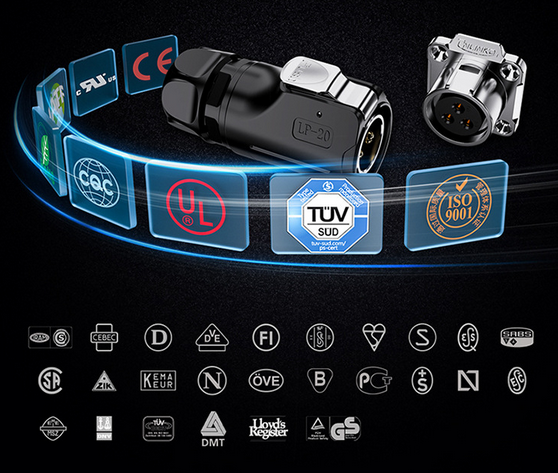
Finally, treat IP ratings with realism rather than optimism. A connector rated IP65 or IP67 may be perfectly suitable for rain, splash, and normal outdoor exposure, yet long-term moisture ingress can still happen through condensation, pressure cycling, or capillary action. In other words, a waterproof connector helps, but system-level design still matters because cable routing, enclosure ventilation, and installation quality often determine real-world longevity.
6. Mistakes to Avoid When Selecting Waterproof Circular Connectors
One of the most common mistakes is assuming that waterproof means maintenance-free forever. Outdoor projects fail not only because of direct water exposure, but also because air, humidity, and temperature changes gradually introduce moisture into places that initially seemed sealed. That is why connector choice should always be paired with smart enclosure design and realistic expectations.
Another mistake is ignoring assembly requirements. Some rugged connector families perform extremely well, but they require specific crimp tools, precise terminal handling, or more installation time than casual buyers expect. While a connector may look ideal on paper, it becomes the wrong choice if the builder cannot assemble it consistently.
Choosing only by price is another trap. Very cheap sealed connectors can be perfectly acceptable in hobby or non-critical systems, while higher-end parts may be essential in vehicles or industrial environments, so the right answer depends on how expensive failure would be. The goal is not to buy the cheapest connector or the most expensive one, but to choose the lowest-risk option for the specific application.
Finally, do not forget future maintenance. A connector that is hard to source, awkward to mount, or difficult to unplug in a tight space can turn a simple repair into a full rebuild, which is why serviceability should be part of the decision from the beginning rather than an afterthought.
7. When M12 Is Enough — and When It Is Not
M12 is still an excellent choice when the application is compact, low to moderate in power, industrial in style, and already aligned with sensor or automation conventions. If you need a proven connector for field devices, short cable runs, and predictable operating conditions, M12 remains one of the best standardized solutions available.
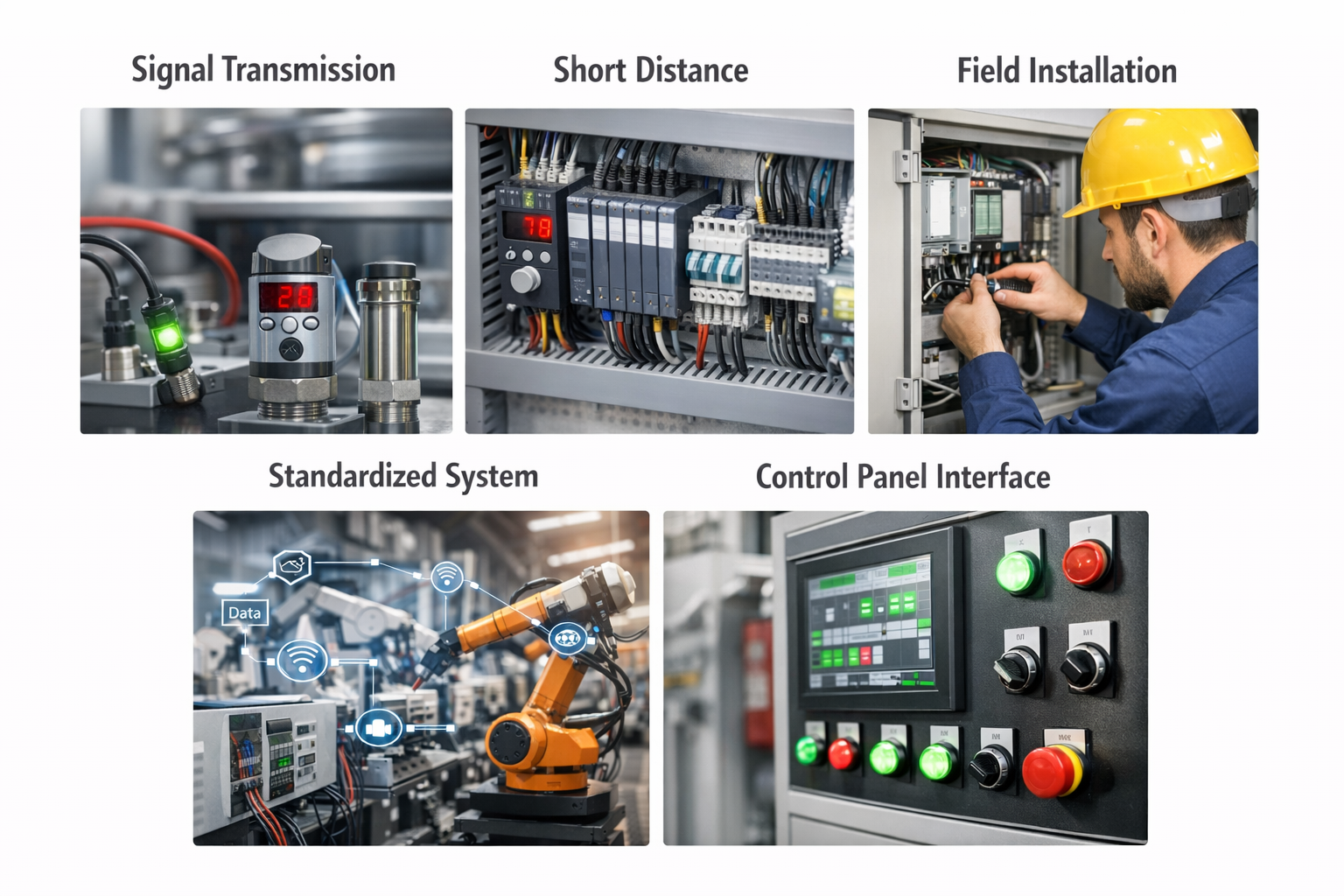
But once your project requires thicker wires, more mixed-use contacts, easier hand assembly, larger cable entries, removable quick-disconnects, or enclosure-friendly bulkhead mounting, it is time to look beyond M12. That is where waterproof circular connectors such as LP16, LP20, Deutsch DT, and SP-series options become much more attractive, because they provide the flexibility that many real projects demand.
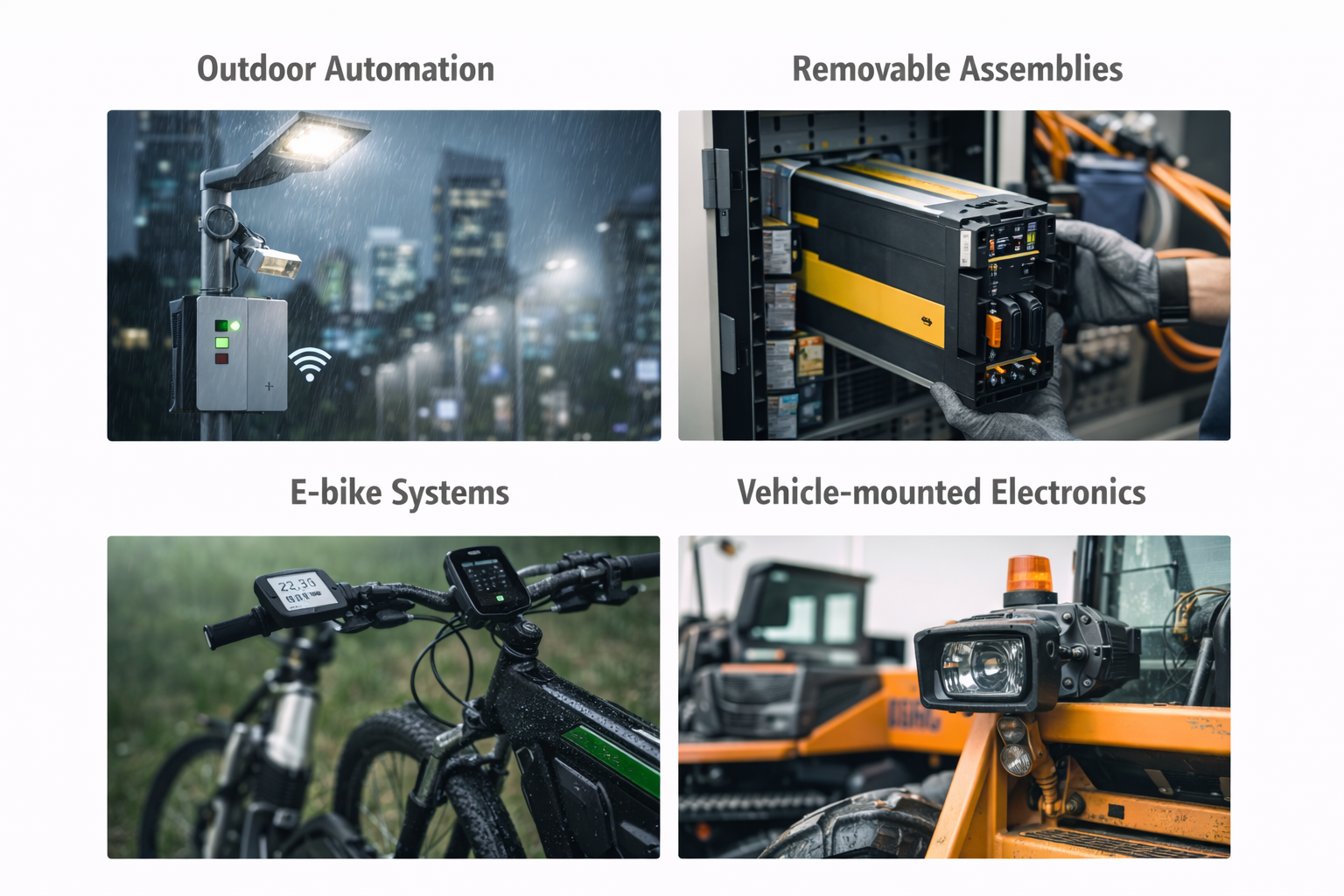
So if you are asking whether M12 is enough, the answer is simple: stay with M12 when your project fits the industrial sensor model, but move to a larger or more application-specific waterproof circular connector when your design priorities include rugged handling, serviceability, mixed power-and-signal wiring, or more forgiving physical dimensions. In practice, the best connector is not the one with the most recognizable name, but the one that matches how your system will actually be built, used, and maintained.
8. FAQ: Choosing Waterproof Circular Connectors
Is an M12 connector waterproof enough for outdoor use?
An M12 connector can be suitable for outdoor use when the installation is done properly and the environmental demands are moderate. However, long-term exposure, condensation, and cable strain can still create problems, which is why system design matters just as much as the connector’s IP rating.
What is the best alternative when M12 is too small?
If M12 feels too small for the cable size, current load, or handling requirements, LP20 is often a practical next step for custom builds, while Deutsch DT connectors are usually a better choice for automotive and vibration-heavy environments.
Can one waterproof circular connector carry both power and signal?
Yes, many waterproof circular connectors can carry both power and signal, as long as the contact layout, current rating, and wire gauge all match the application. This is a common requirement in outdoor controls, low-voltage automation, and vehicle-mounted systems.
Are LP20 connectors better than M12?
LP20 connectors are not universally better, but they are often more suitable for projects that need larger cable entry, easier manual handling, or a removable quick-disconnect design. M12 is still better when compact industrial standardization is the priority.
What connector is best for a vehicle-mounted enclosure?
For vehicle-mounted enclosures, Deutsch DT series is often one of the best choices because it is rugged, sealed, and proven in harsh mobile environments. If bulkhead mounting is important, flange-mount options should be prioritized.
Is a waterproof connector always better than a cable gland?
Not always. For static outdoor installations, a cable gland with sealed internal wiring can sometimes be more reliable than a detachable connector, because it introduces fewer connection points and fewer possible failure paths.
Do IP65, IP67, and IP68 guarantee long-term outdoor reliability?
No. IP ratings describe test conditions, but they do not eliminate risks caused by condensation, capillary action, repeated temperature swings, or poor installation. A connector can be rated well and still fail early in a badly designed outdoor system.