

 0
0
MS5015 connector part numbers can look confusing at first. A code such as MS3106A-18-1P, MS3102A-16-11S, or MS3108B-28-20P may seem like a random combination of letters and numbers, but each section has a specific meaning. Once you know how to separate the code, you can quickly identify the connector style, shell size, insert arrangement, contact type, and possible mating connector.
This guide explains how to read MS5015-style connector part numbers, especially common styles such as MS3106A straight plugs, MS3102A box mounting receptacles, and MS3108B 90-degree angle plugs. It is written for engineers, buyers, maintenance teams, and cable assembly users who need to identify, replace, or source circular MIL-spec connectors for industrial equipment, legacy systems, aviation-related applications, heavy machinery, servo motors, and power or signal cable assemblies.
1. Why MS5015 Part Numbers Look Confusing
In real replacement and repair projects, MS5015 connectors are often found on older equipment, used cable assemblies, military-style surplus parts, industrial control systems, servo motors, or legacy machinery. The connector may have only a partial marking, a worn part number, or no visible label at all. To make matters more difficult, many circular connectors look similar from the outside.
A threaded metal shell, a knurled coupling nut, a round insert, and multiple contacts do not automatically mean two connectors are the same. Different manufacturers may use slightly different external appearances while still following a compatible standard. On the other hand, two connectors that look almost identical may have different insert arrangements, keying positions, contact genders, or shell sizes.
This is why the part number matters. An MS5015-style part number is not just a label; it is a compact technical code that can tell you:
- The connector series or specification style
- The shell style, such as plug or receptacle
- The class or construction type
- The shell size
- The insert arrangement and contact layout
- The contact type, usually pin or socket
- The alternate insert position, if applicable
If you are trying to find a mating connector or replacement part, reading the code correctly is usually more reliable than matching product photos alone.
2. Basic MS5015 Part Number Format
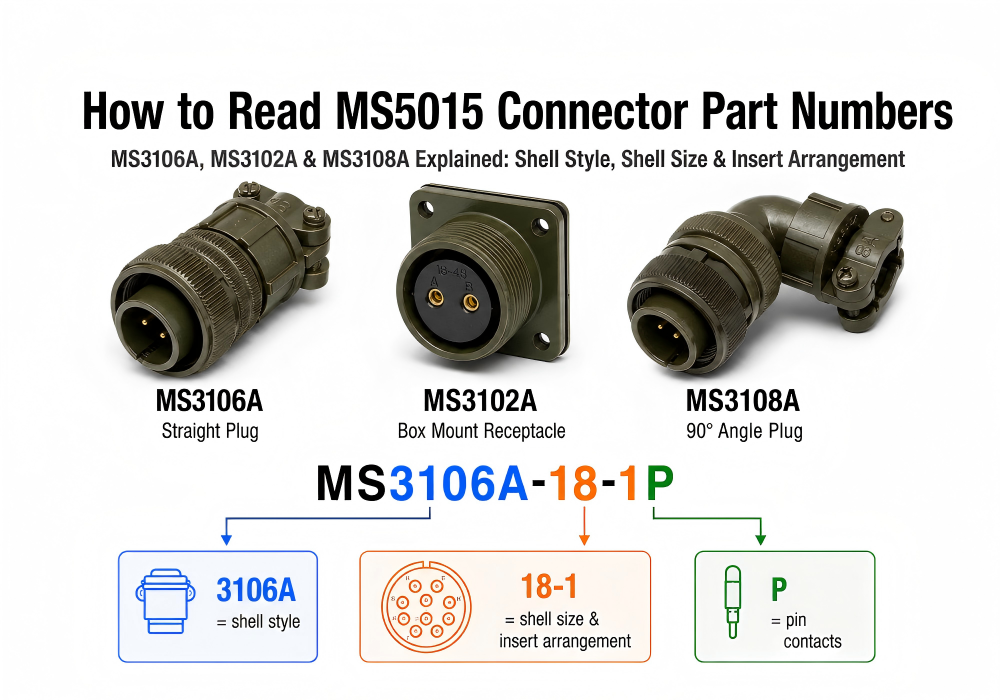
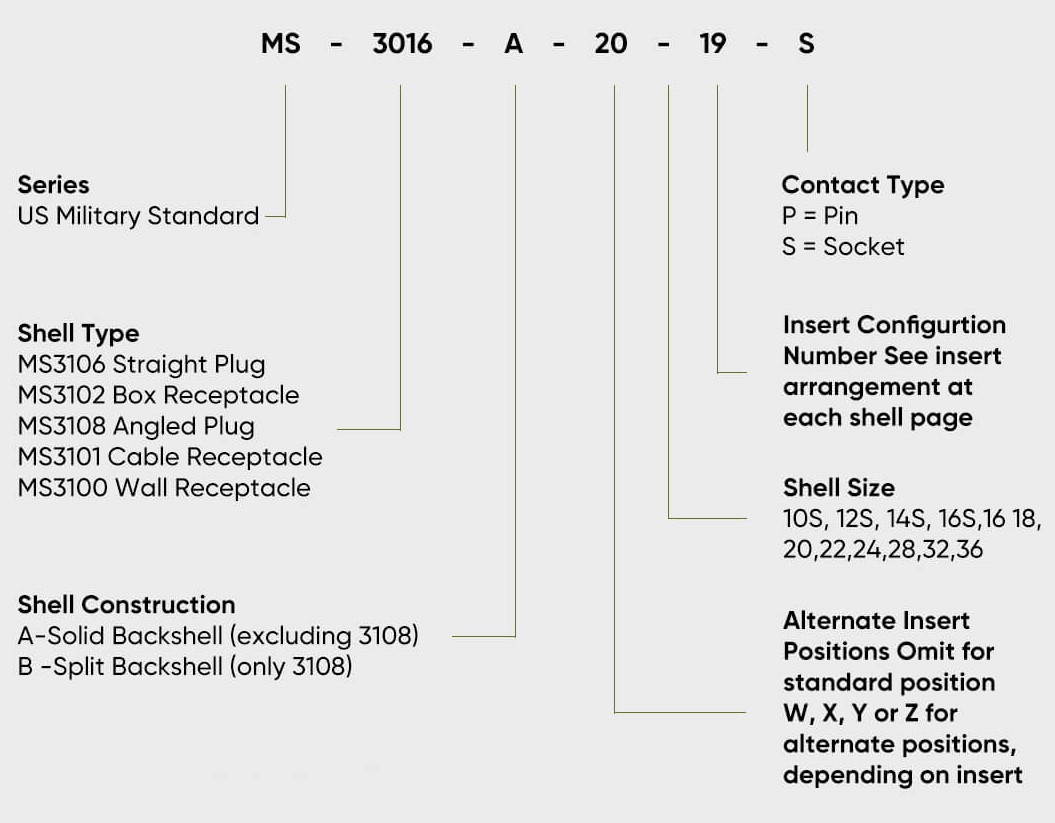
A typical MS5015-style part number can be divided into several sections. Let’s use MS3106A-18-1P as an example.
| Part Number Section | Example | Meaning | Practical Note |
|---|---|---|---|
| Series Prefix | MS | Military specification style | Commercial equivalents may use brand-specific prefixes. |
| Shell Style | 3106 | Straight plug | Commonly used on the cable side. |
| Class | A | General-duty style, often with solid endbell in A/B references | Other classes may indicate environmental or construction differences. |
| Shell Size | 18 | Shell size | Generally related to coupling thread diameter, not pin count. |
| Insert Arrangement | 1 | Contact layout code | Defines the number, size, and layout of contacts. |
| Contact Type | P | Pin contacts | P does not mean plug. |
Quick summary: MS3106A-18-1P represents an MS-style straight plug, class A construction, shell size 18, insert arrangement 1, with pin contacts.
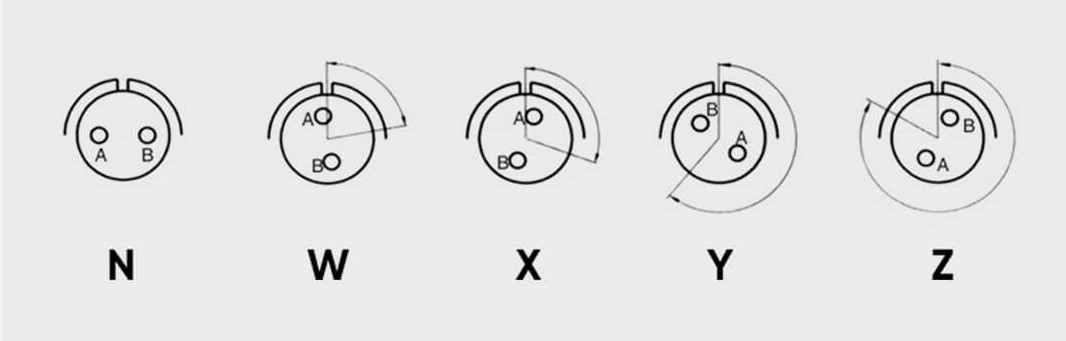
Some part numbers may also include an alternate insert position, such as W, X, Y, or Z. These letters indicate rotated insert orientations used to prevent mismating between connectors that may otherwise look similar.
If you already know the part number you need, you can also browse MIL-DTL-5015 Connectors to compare threaded plugs, receptacles, and cable-end connector options.
3. What Do 3106A, 3102A and 3108B Mean?
The four-digit number after the prefix is one of the most important parts of the part number. It identifies the shell style, or the physical connector form. This is where many buyers first get confused, because the shell style describes the connector body, not the pin layout.
| Shell Style | Common Description | Typical Use | Usually Mates With |
|---|---|---|---|
| 3100 | Wall mounting receptacle | Bulkhead or wall pass-through connection | 3106 or 3108 plug |
| 3101 | Cable connecting receptacle in many A/B references | Cable extension or inline connection | Verify by exact catalog series and mating direction |
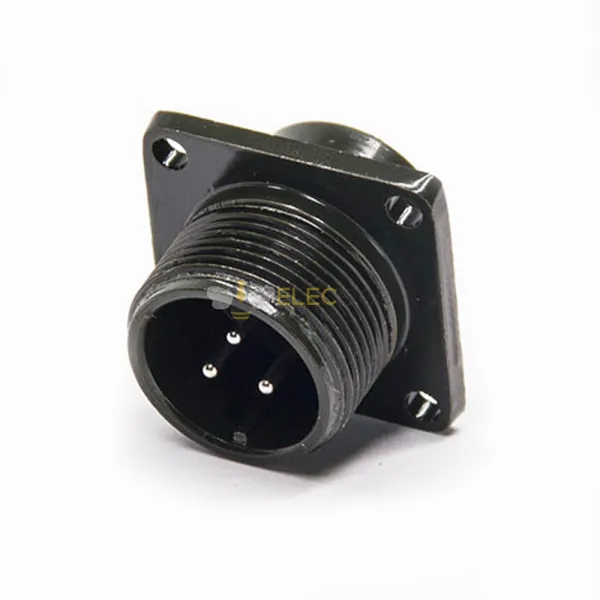
| 3102 | Box mounting receptacle | Equipment panels, junction boxes, fixed mounting surfaces | 3106 or 3108 plug |
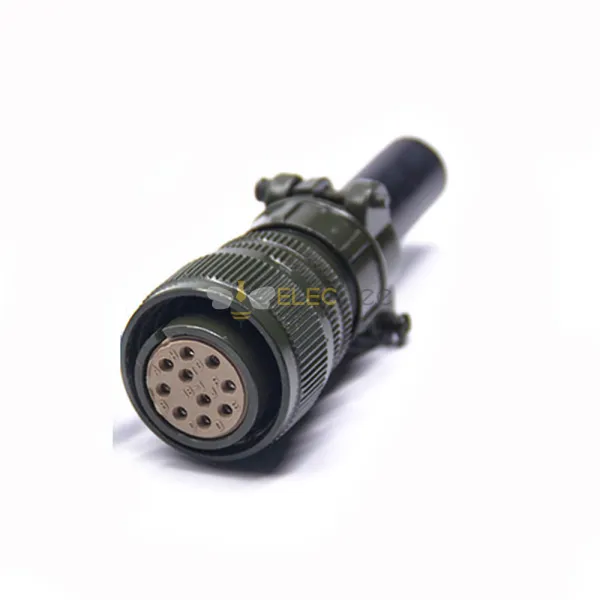
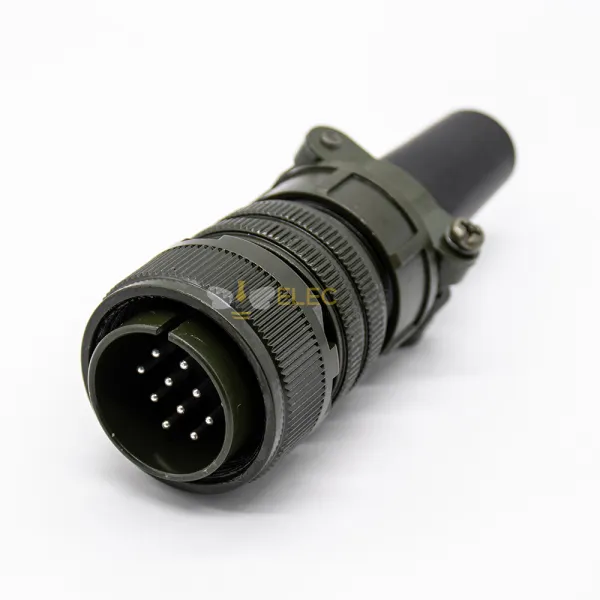
| 3106 | Straight plug | Cable-end connection | 3100, 3101, or 3102 receptacle |
| 3108 | 90-degree angle plug | Tight spaces or side-exit cable routing | 3100, 3101, or 3102 receptacle |
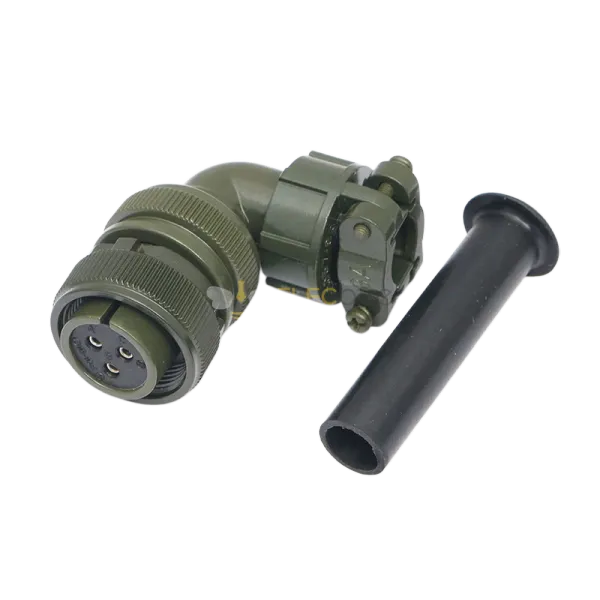
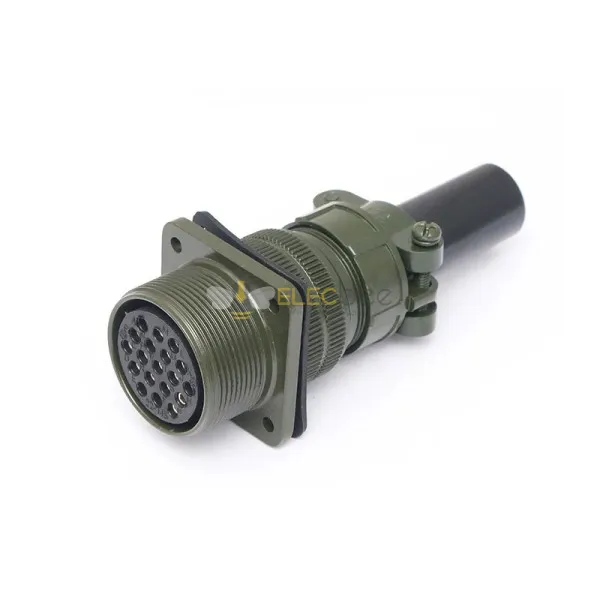
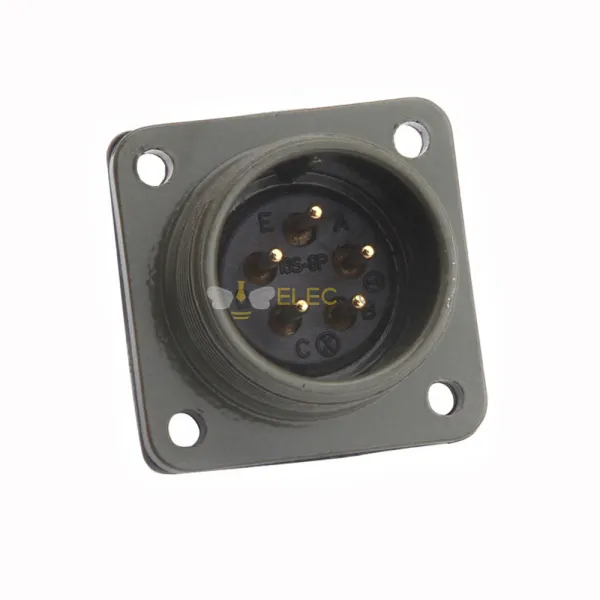
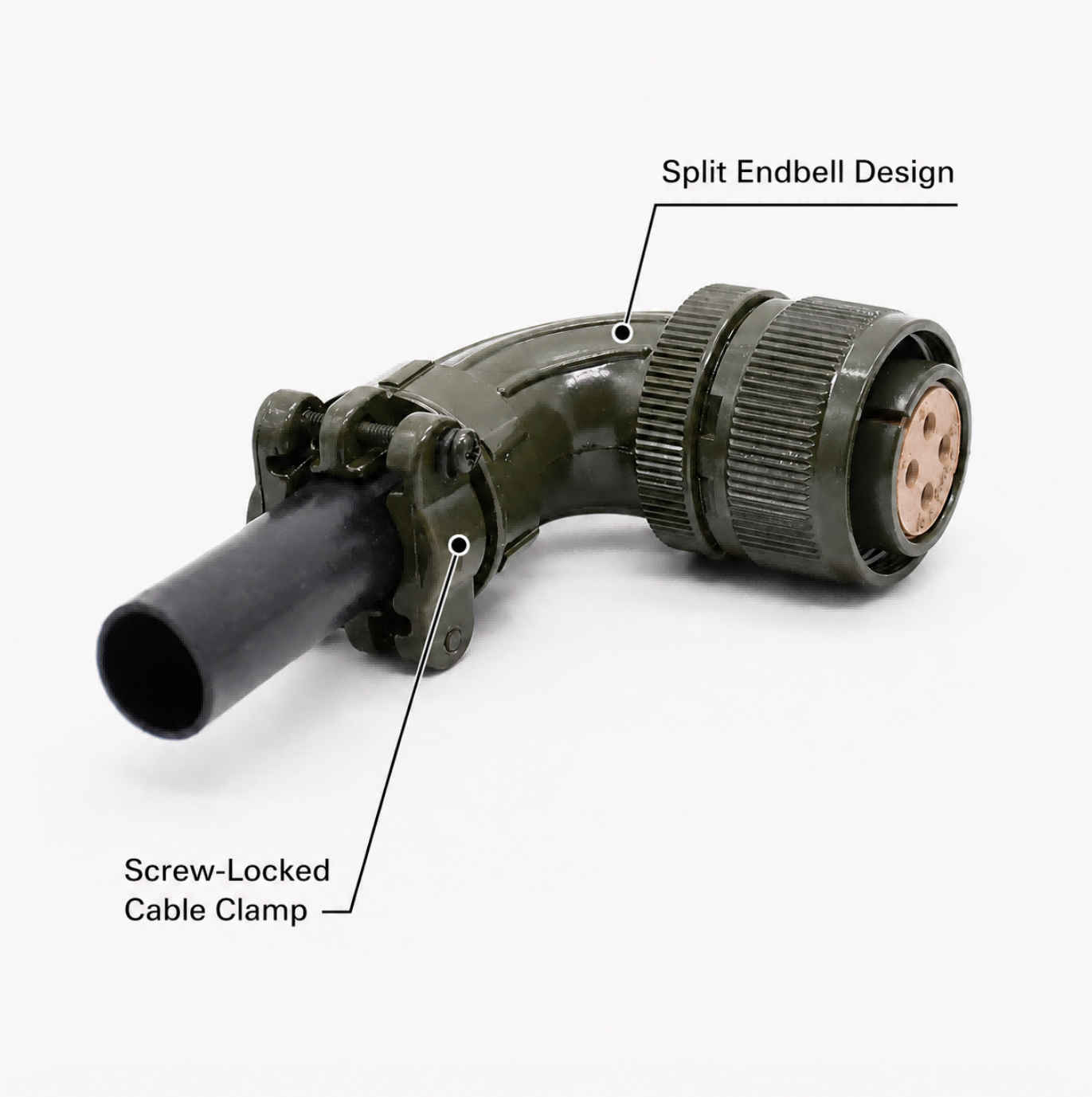
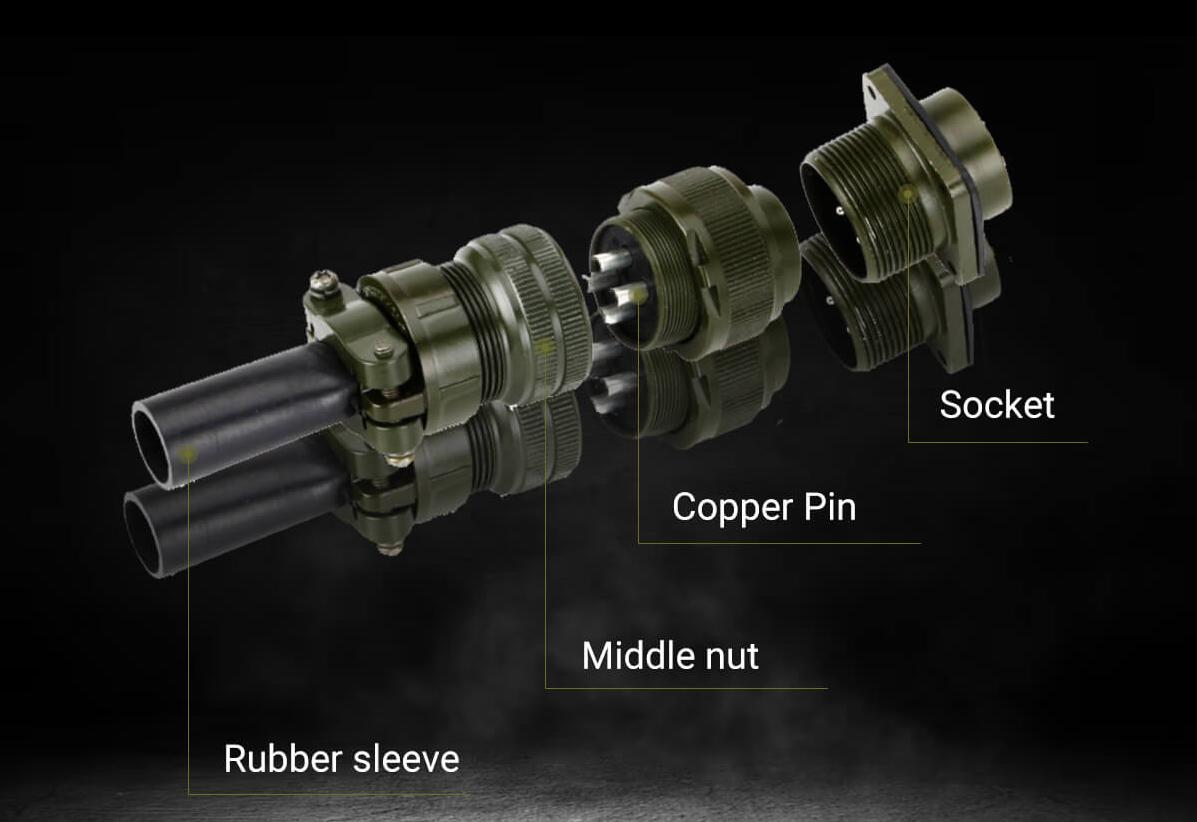
For example, MS3106A usually indicates a straight cable plug, while MS3102A indicates a box mounting receptacle often used on equipment panels or junction boxes. MS3108B indicates a 90-degree angle plug, which is useful when the cable must exit sideways or when installation space is limited.
Important note about 3101: 3101 is commonly listed as a cable connecting receptacle in many A/B-style references. However, some catalog revisions or environmental series may describe 3101 differently. For replacement work, always confirm the exact connector series, mounting style, and mating direction before ordering.
When selecting between a straight plug, box mounting receptacle, or 90-degree angle plug, make sure the shell style matches your installation. You can review available MS5015 plugs and receptacles to compare different mounting and cable-end styles.
4. What Does the Class Letter Mean?
The class letter after the shell style describes the connector construction or environmental style. In older A/B-style MS5015 references, A and B are often associated with endbell construction:
- A — solid or one-piece endbell in many A/B references
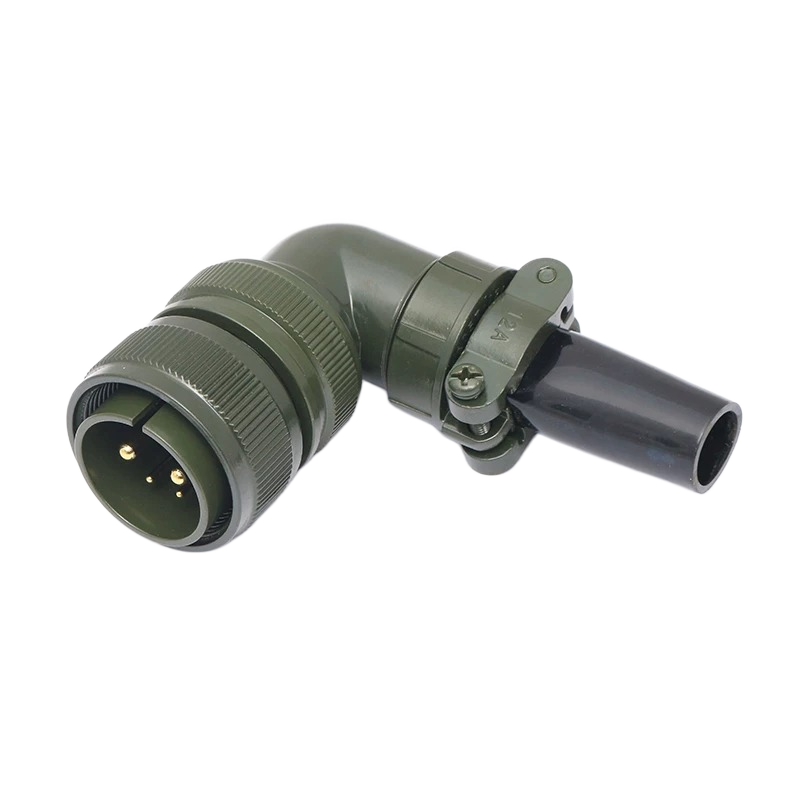
- B — split or two-piece endbell in many A/B references
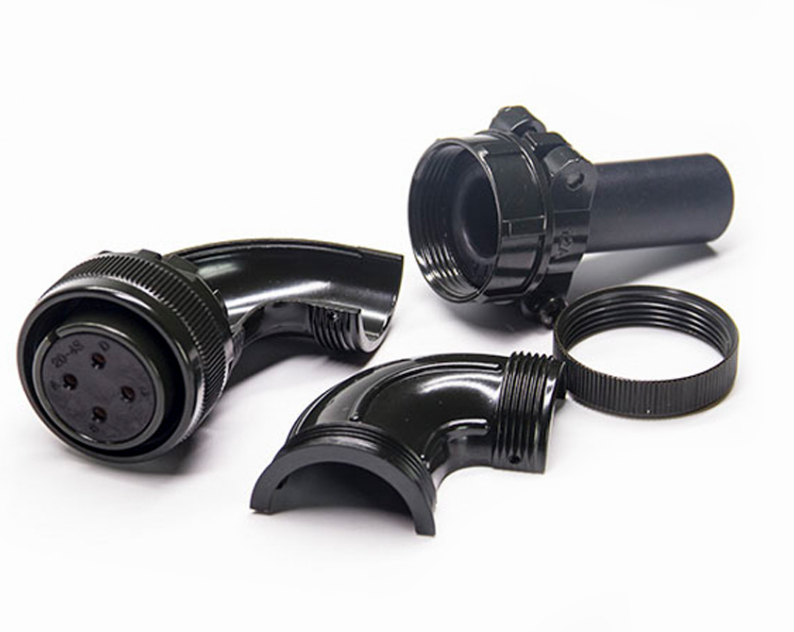
However, modern buyers and maintenance teams may also encounter environmental classes such as E, F, and R. These should not be treated as the same type of classification as A/B. Depending on the series and manufacturer, E/F/R versions may relate to environmental sealing, resilient insulators, wire sealing grommets, O-rings, cable clamps, or lighter endbell construction.
| Class Example | General Meaning | Buyer Reminder |
|---|---|---|
| A / B | Often related to general-duty endbell construction in legacy references | Check whether the connector uses a solid or split endbell. |
| E / F / R | Often related to environmental or sealed constructions | Verify sealing, clamp, O-ring, and termination details from the exact datasheet. |
This is why you should avoid assuming that one letter always has the same meaning across every MS5015-style connector family. The part number format gives you a starting point, but the exact product datasheet should always be checked before purchasing or replacing a connector.
5. Shell Size vs Insert Arrangement
Another common mistake is reading numbers such as 16-11, 18-1, 28-20, or 14S-6 as simple pin counts. They are not pin counts.
In an MS5015-style part number, the first part usually identifies the shell size, while the number after the dash identifies the insert arrangement.
- 16-11 = shell size 16, insert arrangement 11
- 18-1 = shell size 18, insert arrangement 1
- 28-20 = shell size 28, insert arrangement 20
- 14S-6 = shell size 14S, insert arrangement 6
Shell size is generally related to the nominal coupling thread diameter, often expressed in sixteenths of an inch. For example, shell size 16 corresponds to approximately a 1-inch coupling thread, while shell size 18 corresponds to approximately 1-1/8 inch. This is a useful rule of thumb, but buyers should still verify actual dimensions from the exact connector drawing because special shell designations and manufacturer variations may apply.
The insert arrangement defines the internal contact layout. It determines how many contacts are inside the connector, what contact sizes are used, and how the contacts are positioned. Some arrangements use only small signal contacts, while others combine larger power contacts with smaller signal contacts.
Important: suffixes such as S or SL in shell size designations, such as 14S or 10SL, are part of the shell size code. They should not be confused with the final S contact type code, which means socket contacts.
6. P vs S: Pin and Socket Contact Type
The final letter in many MS5015 part numbers is one of the most important details. It usually identifies the contact type:
| Code | Correct Meaning | Common Misunderstanding | Practical Meaning |
|---|---|---|---|
| P | Pin contacts | P = Plug | Can appear in either a plug or a receptacle. |
| S | Socket contacts | S = Straight or Shell | Can appear in either a plug or a receptacle. |
Common misconception: P does not mean plug, and S does not mean straight.
Correct reading: P means pin contacts, while S means socket contacts. The plug or receptacle style is defined by the shell style code, such as 3106 or 3102.
For example:
- MS3106A-18-1P = straight plug with pin contacts
- MS3106A-18-1S = straight plug with socket contacts
- MS3102A-18-1S = box mounting receptacle with socket contacts
When choosing a mating connector, the contact type should be complementary. A pin-contact side mates with a socket-contact side. However, do not simply change P to S without checking the shell style, shell size, insert arrangement, alternate insert position, and mounting requirements.
7. How to Find the Correct Mating Connector
If you need to find a mating connector or replacement for an existing MS5015-style connector, follow a structured process. This helps reduce ordering errors and prevents mismatched parts.
Step 1: Read the full connector marking
Look for a stamped or engraved part number on the coupling ring, shell edge, rear body, or insert area. A partial marking such as 16-11P is helpful, but a complete number such as MS3106A-16-11P is much better.
Step 2: Identify the shell style
Determine whether the connector is a straight plug, box mounting receptacle, wall mounting receptacle, cable connecting receptacle, or 90-degree plug. For example, 3106 usually identifies a straight plug, while 3102 identifies a box mounting receptacle.
Step 3: Match shell size and insert arrangement
The mating side must use the same shell size and insert arrangement. If the existing connector is 16-11, the mating connector should also use 16-11. Changing the insert arrangement changes the contact layout.
Step 4: Choose the complementary contact type
If the existing connector has pin contacts, the mating side should have socket contacts. If the existing connector has socket contacts, the mating side should have pin contacts.
Step 5: Check alternate insert position
If the part number includes W, X, Y, or Z, do not ignore it. Alternate insert positions rotate the contact layout to prevent incorrect mating between similar connectors.
Step 6: Confirm backshell, cable clamp, contacts, and tools
Some product listings include only the connector body. Others may require separate accessories. Before purchasing, check whether you need:
- Backshell or rear adapter
- Cable clamp or strain relief
- Protective cap
- Solder or crimp contacts
- Insertion or removal tools
- Crimp tool, soldering equipment, or assembly support
This step is especially important for older equipment and maintenance projects. A connector that looks correct in a catalog image may not include every part needed for a complete cable assembly.
8. Common Ordering Mistakes and Practical Warnings
Visual-only identification
Choosing a connector only by appearance is risky. Similar circular connectors may have different shell styles, insert layouts, contact types, or keying positions. Always confirm the part number and dimensional details before ordering.
Confusing shell size with pin count
A code such as 16-11 does not mean 16 pins or 11 pins. It means shell size 16 and insert arrangement 11. The actual contact count must be verified from the insert arrangement table.
Misreading P and S
P means pin contacts, and S means socket contacts. P does not mean plug. S does not mean straight. This simple misunderstanding can lead to ordering the wrong mating connector.
Ignoring termination style
Some MS5015-style connectors use solder cup contacts, while other related connector families may use crimp contacts. Older potted or solder-terminated connectors may not allow easy contact replacement. In many cases, replacing the complete connector or rebuilding the cable assembly may be more practical than attempting to repair a single damaged contact.
Forgetting accessories
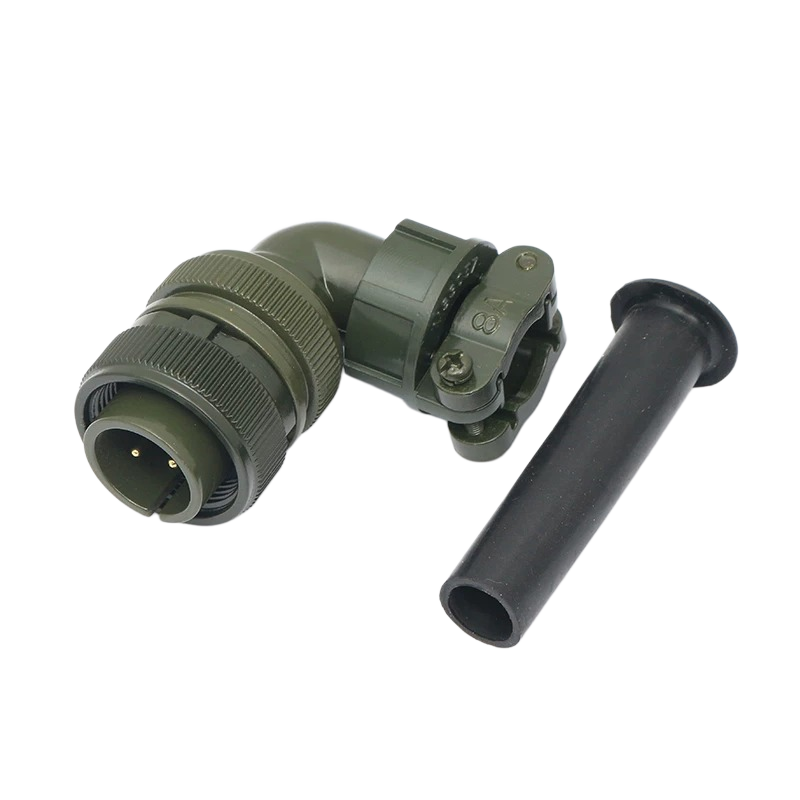
The connector body is only one part of the assembly. A complete installation may also require a backshell, cable clamp, strain relief, sealing components, contacts, and proper tools.
9. FAQ: MS5015 Connector Part Numbers
Does P mean plug in MS5015 part numbers?
No. P usually means pin contacts. The plug or receptacle style is defined by the shell style code, such as 3106 or 3102.
Does S mean socket or straight?
S means socket contacts when used as the final contact type code. It does not mean straight. However, S or SL can also appear as part of certain shell size designations, such as 14S or 10SL, so the position of the letter matters.
What does MS3106A mean?
MS3106A commonly refers to a straight plug style connector with class A construction. It is often used as the cable-end side of an MS5015-style connection.
What does MS3102A mean?
MS3102A refers to a box mounting receptacle, typically used on equipment panels, junction boxes, or fixed mounting surfaces. Depending on the product design, it may be installed as part of a front- or rear-mounted panel assembly.
What does MS3108B mean?
MS3108B refers to a 90-degree angle plug. It is useful when cable routing space is limited or when the cable needs to exit at an angle.
What does 16-11 mean in MS3106A-16-11P?
16 is the shell size, and 11 is the insert arrangement. It does not directly indicate the number of pins. The actual contact layout must be checked against the insert arrangement table.
How do I find the mating connector?
Match the same shell size and insert arrangement, choose the correct mating shell style, and use the complementary contact type. For example, a pin-contact plug usually mates with a socket-contact receptacle of the same shell size and insert arrangement.
Can I replace only one damaged contact?
It depends on the connector construction and termination style. Some connectors use removable contacts, while older solder-type or potted connectors may not be practical to repair contact by contact. Always verify the exact connector type and follow the equipment manufacturer’s wiring or maintenance documentation.
10. Conclusion: Read the Code Before You Buy
MS5015 connector part numbers are easier to understand once you know the structure. A number such as MS3106A-18-1P is not random. It tells you the connector style, class, shell size, insert arrangement, and contact type.
Before ordering a replacement or mating connector, confirm these key details:
- Shell style: 3100, 3101, 3102, 3106, or 3108
- Class: A/B or environmental types such as E/F/R, depending on the series
- Shell size and insert arrangement
- Pin or socket contact type
- Alternate insert position, if any
- Termination style, backshell, cable clamp, and required tools
For engineers, buyers, and maintenance teams, understanding MS5015 connector part numbers can reduce ordering mistakes, speed up replacement work, and make it easier to match old circular connectors with suitable modern equivalents.
Need the Right MS5015 Connector Match?
Explore Elecbee MS5015 and MIL-spec circular connector solutions to find threaded plugs, receptacles, and related connector assemblies for industrial equipment, power systems, and legacy replacement projects.
Shop MS5015 Connectors
Related Products
- MIL-DTL-5015 Connectors – threaded circular connectors for power, signal, and legacy equipment replacement.
- MIL-DTL-26482 Connectors – compact bayonet-style circular connectors for industrial and military applications.
- MIL-DTL-38999 Connectors – high-density circular connectors for demanding aerospace and high-vibration systems.
- Circular Connector Assemblies – explore more circular connector options for panel, cable, and equipment wiring.
- GX Series Connectors – economical aviation-style circular connectors for general industrial use.