

 0
0
Serial communication is still widely used across industrial automation, PLC systems, CNC machines, broadcast equipment, sensors, and legacy devices. Even as Ethernet and USB dominate consumer electronics, many professional systems still depend on RS232, RS485, and RS422.
If you are comparing these standards, you are probably asking one of these questions:
- What is the difference between RS232 and RS485?
- Is RS422 faster than RS232?
- Which one is better for PLC communication?
- Can I convert RS232 to RS485?
- Which serial standard should I use for long distance wiring?
This guide explains RS232 vs RS485 vs RS422 with practical examples, wiring differences, speed limits, and real-world applications.
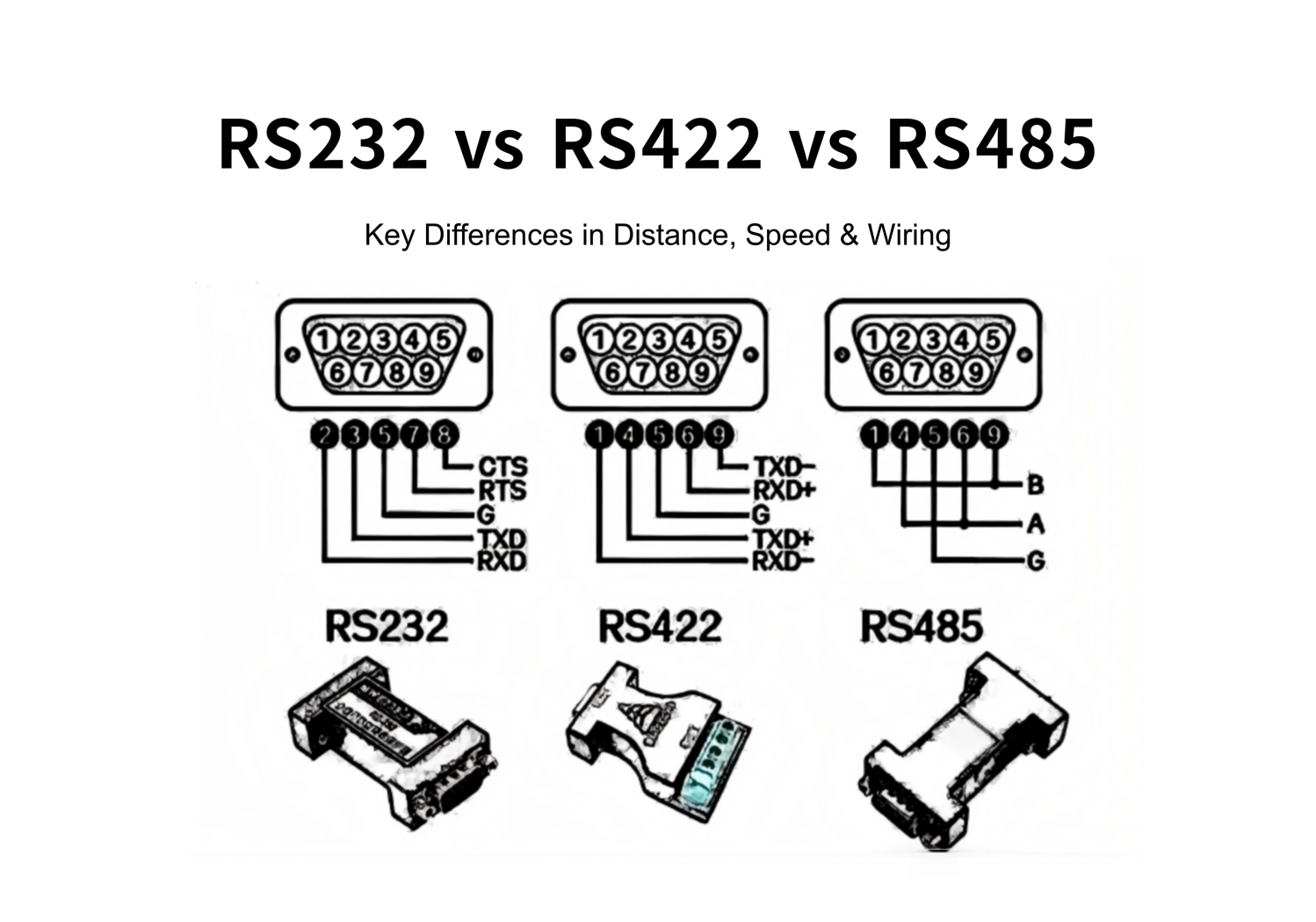
1. What Are RS232, RS485, and RS422?
Before comparing them, it is important to understand that these are electrical interface standards, not software protocols.
They mainly define:
- Voltage signaling method
- Wiring structure
- Maximum distance
- Noise resistance
- Number of supported devices
- Transmission mode (half duplex / full duplex)
They do not define Modbus commands, packet structures, or software logic.
That is why protocols such as Modbus RTU can run over RS485, while proprietary machine commands may run over RS232.
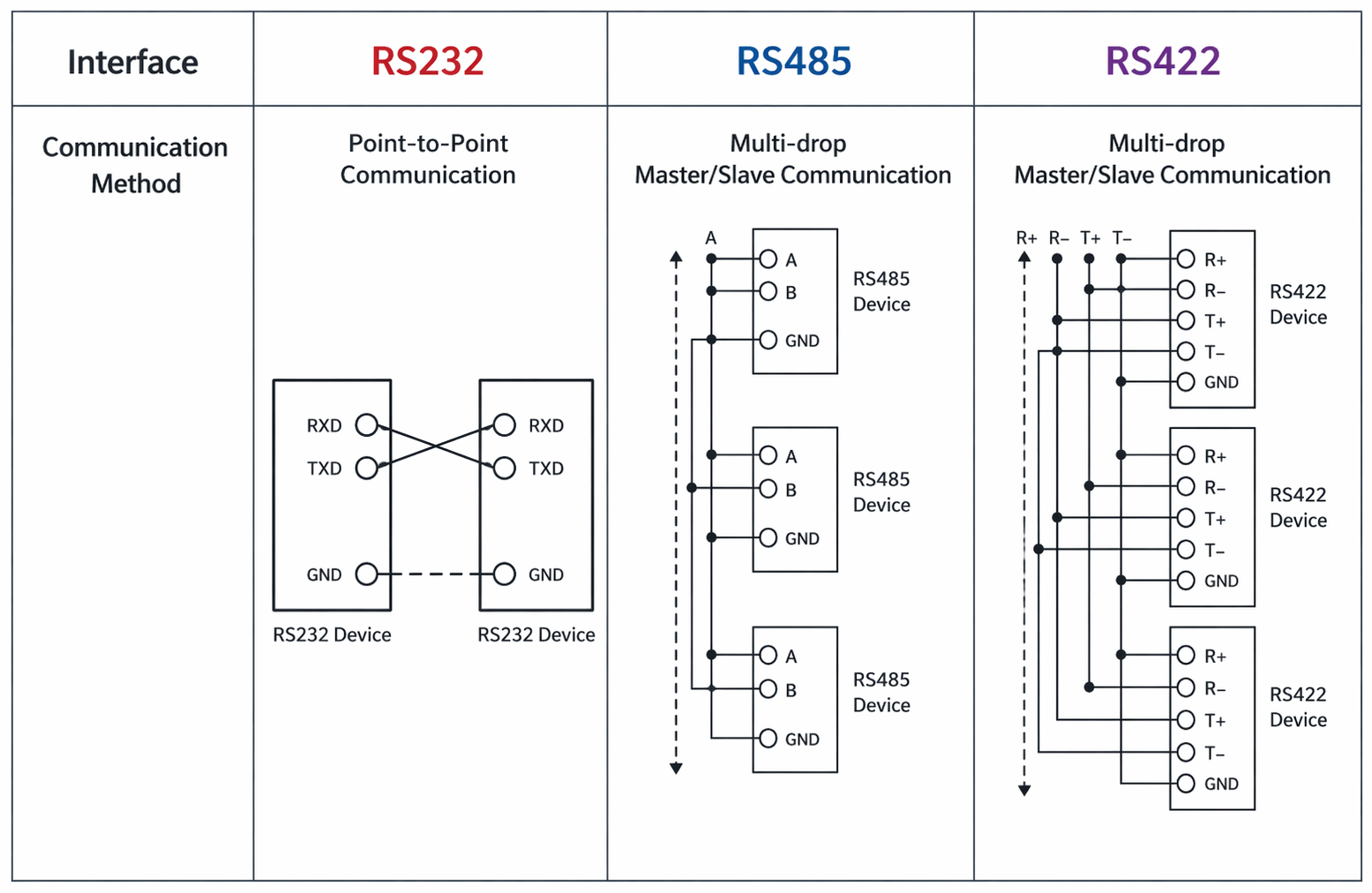
2. RS232 vs RS485 vs RS422: Quick Comparison Table
| Standard | Wiring | Max Distance | Typical Max Speed | Duplex Mode | Multi-Device | Noise Resistance | Best Use |
|---|---|---|---|---|---|---|---|
| RS232 | Single-ended | Short | Up to 115.2 kbps common | Full duplex | No | Low | Old PCs, CNC, printers |
| RS485 | Differential | Long | Up to 10 Mbps (short runs) | Usually half duplex | Yes | High | PLC, sensors, Modbus |
| RS422 | Differential | Long | Up to 10 Mbps (short runs) | Full duplex | Limited | High | Broadcast, controllers |
In practice, cable length and environment greatly affect achievable speed.
3. RS232 Explained: Best for Simple Point-to-Point Links
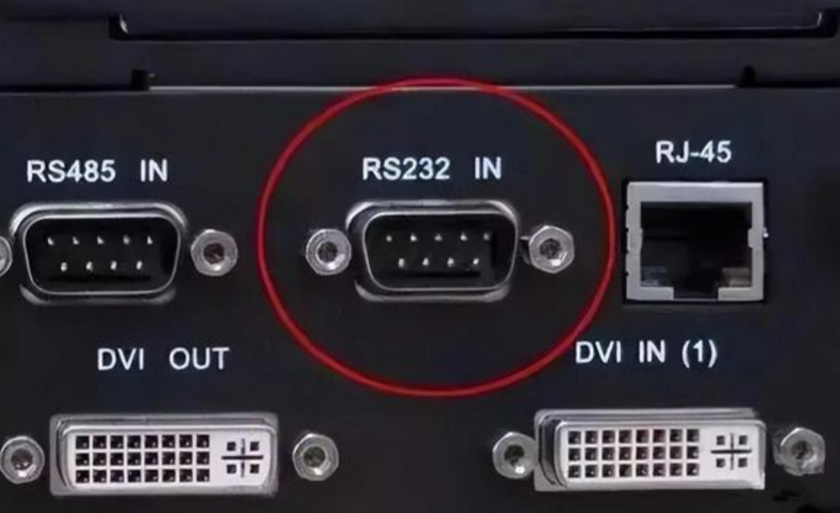
RS232 is one of the oldest serial standards and is still common on legacy equipment.
Typical uses include:
- PC to machine communication
- CNC systems
- Barcode scanners
- POS terminals
- Laboratory instruments
Advantages
- Simple and familiar
- Easy to test with terminal software
- Full duplex communication
- Large installed base
Limitations
- Short cable distance
- Lower practical speed than modern standards
- Only two devices
- Sensitive to electrical noise
If you only need a short direct connection between two devices, RS232 still works well.
4. RS485 Explained: Best for Multi-Device Networks
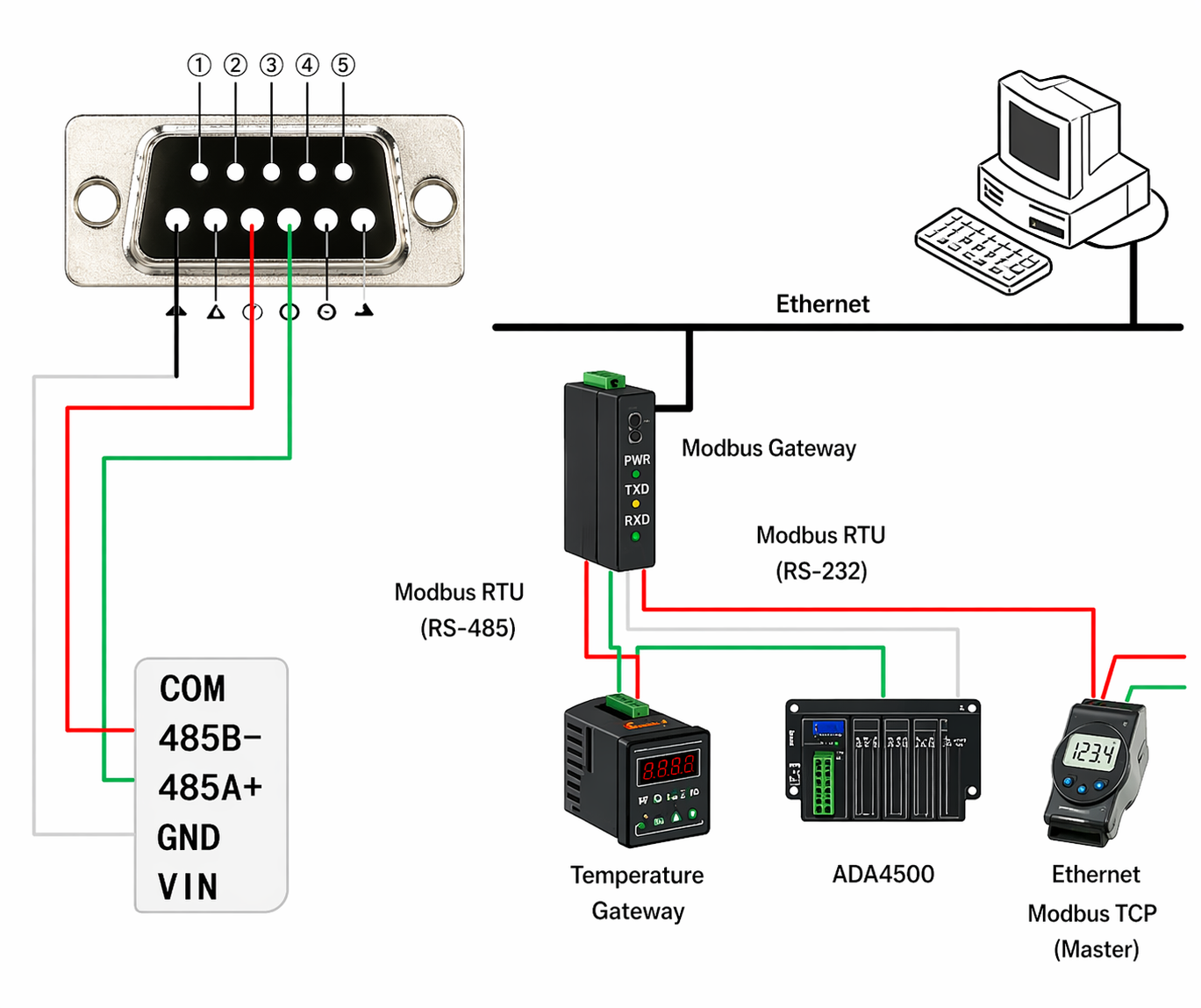
RS485 is the most common industrial serial standard today.
It uses differential signaling, which compares voltage between two wires. This makes it far more resistant to electrical noise than RS232.
Why RS485 Is Popular
Long Distance Communication
Excellent for long cable runs across buildings, production lines, and outdoor systems.
Multi-Device Networking
One controller can communicate with multiple devices on the same bus.
Better Speed Over Distance
RS485 can support high data rates on short runs and lower speeds over very long distances.
Usually Half Duplex
RS485 is commonly configured as half duplex, meaning devices take turns transmitting and receiving over the same pair of wires. This is ideal for shared industrial networks.
Typical Applications
- PLC systems
- Modbus RTU networks
- Energy meters
- HVAC systems
- Sensor networks
- Factory automation
5. RS422 Explained: Stable Full Duplex Communication
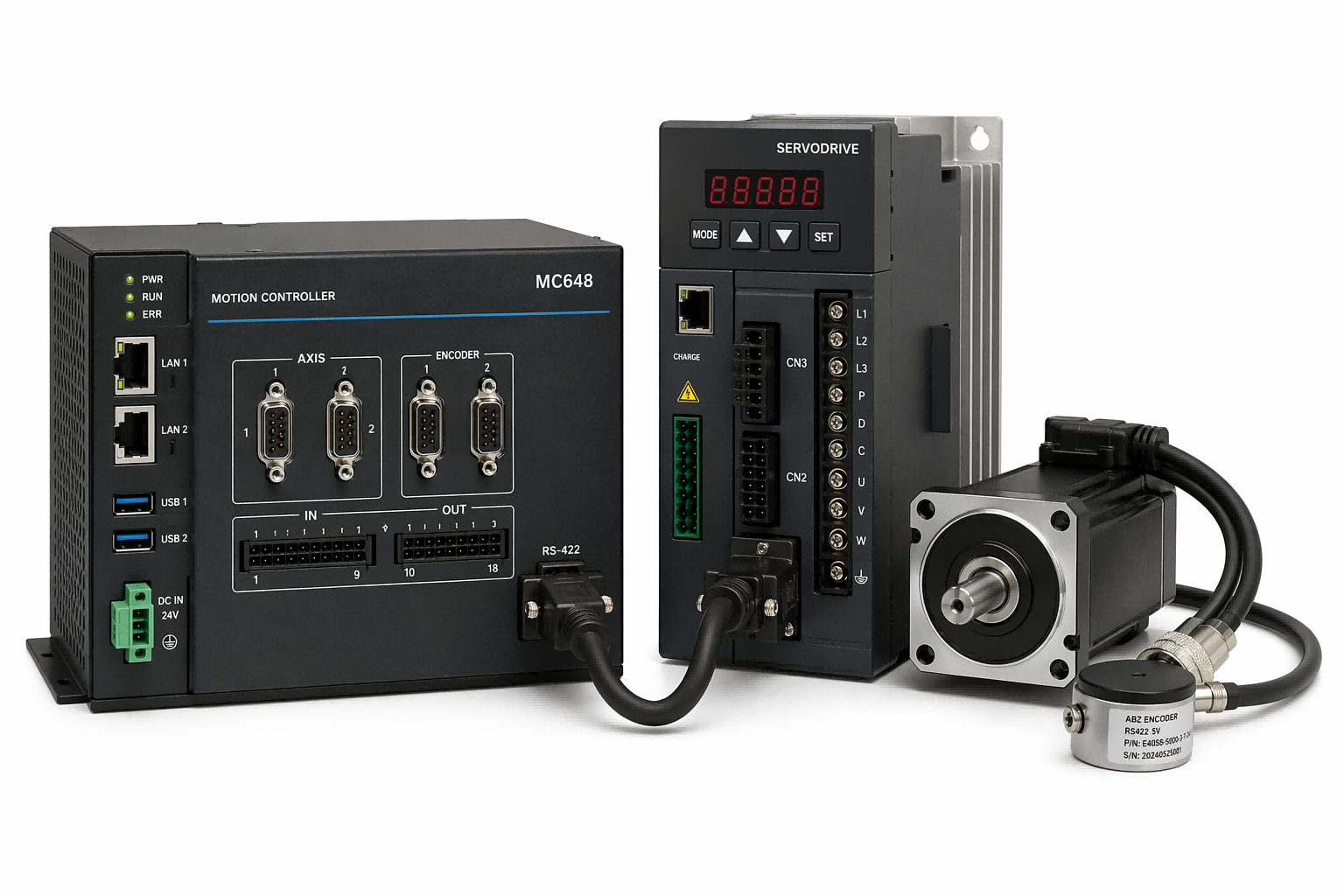
RS422 also uses differential signaling but is typically designed for dedicated high-reliability links.
Why Choose RS422
Full Duplex Communication
Separate transmit and receive pairs allow simultaneous sending and receiving.
Long Distance + High Stability
Excellent where stable real-time communication matters.
Better Than RS232 for Harsh Environments
It performs much better in noisy industrial spaces.
Common Uses
- Broadcast deck control
- Camera systems
- Motion control
- Industrial controllers
- Data acquisition equipment
Many professional video systems still specify RS422 today.
6. Real-World Example: Why People Convert RS232 to RS485
A common engineering problem is:
I have several devices with RS232 ports, but my PLC only supports RS485. What should I do?
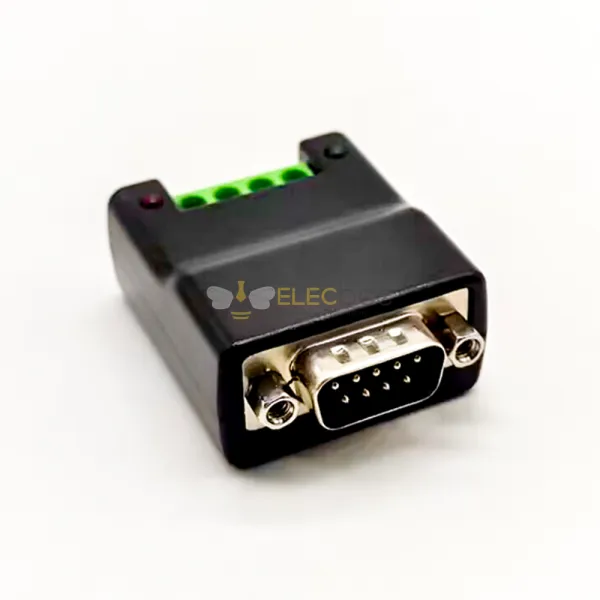
The usual answer is a converter solution.
Typical Setup
- PLC with RS485 port
- Multiple RS485 to RS232 converters
- Each device assigned an address or isolated channel
This allows modern controllers to communicate with legacy RS232 devices over longer distances.
That is why searches for RS232 to RS485 converter remain popular.
Need a ready-made solution?
Explore adapters, converters and custom serial cables for legacy & industrial systems.
👉 Serial Communication Solutions for Legacy & Industrial Equipment
7. Which One Should You Choose?
Choose RS232 If:
- Old machine already uses DB9 serial port
- Short cable distance
- Only two devices
- Easy maintenance matters
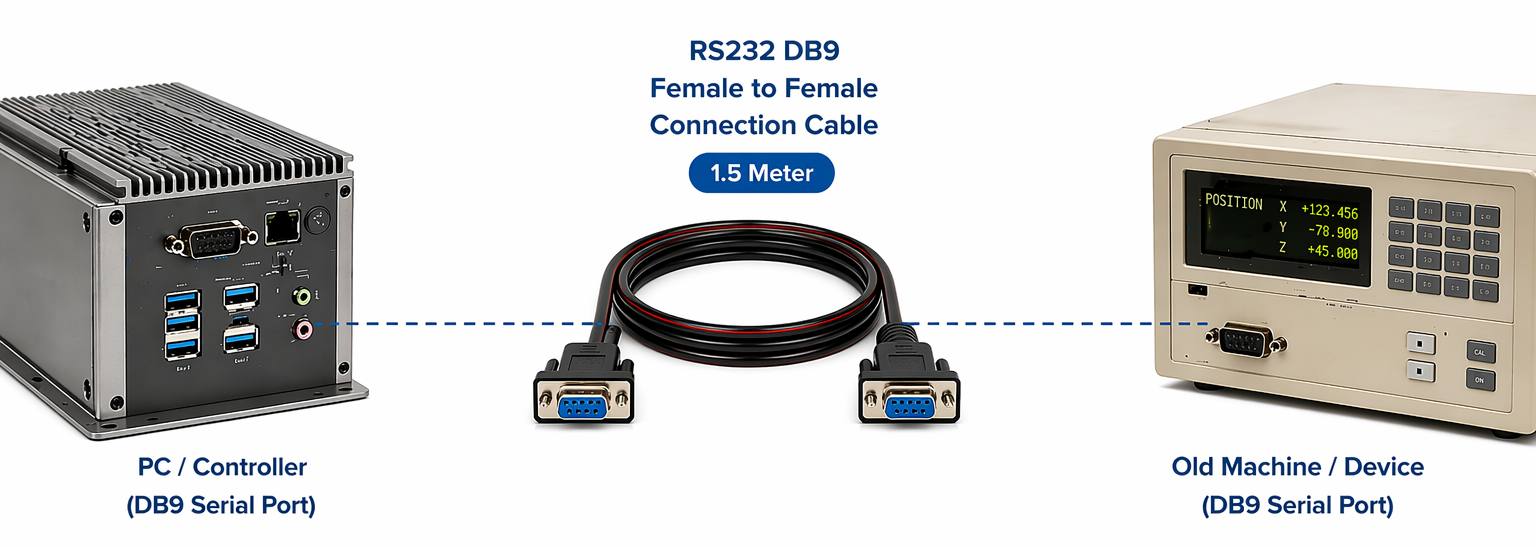
👉RS232 DB9 Female to Female Connection Cable 1.5 Meter
Choose RS485 If:
- Multiple devices on one network
- PLC or Modbus systems
- Long cable runs
- Industrial electrical noise exists
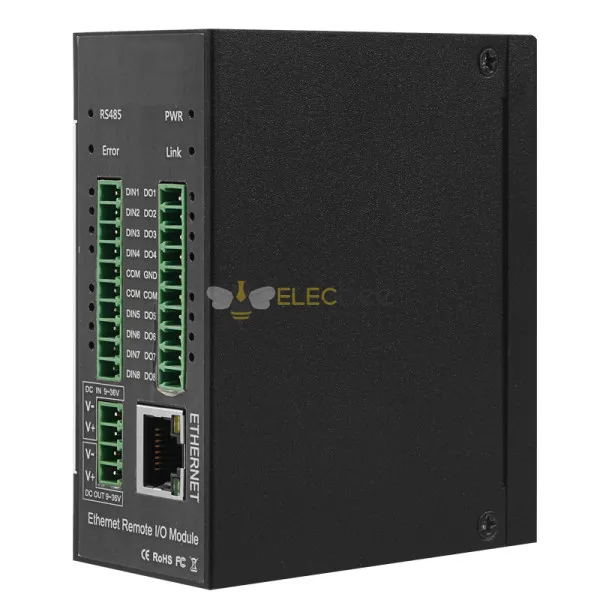
Choose RS422 If:
- Full duplex communication required
- Broadcast equipment control
- Motion systems
- Stable dedicated serial links
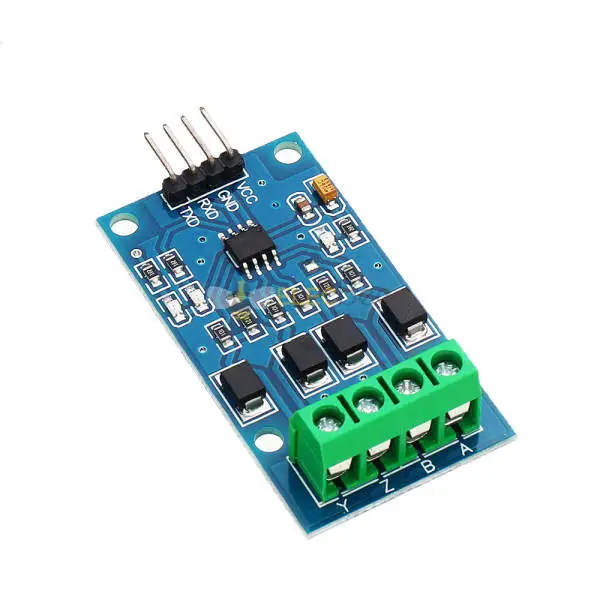
8. Common Mistakes to Avoid
Reversing A/B Wires
Wrong polarity is common on RS485 networks.
Missing Termination
Long RS485 lines may require termination resistors.
Using RS232 Too Far
Many unstable links happen because users push RS232 beyond practical cable lengths.
Assuming RS485 Is a Protocol
RS485 defines the electrical layer only. You still need baud rate, parity, addressing, and command structure.
9. Recommended Converter Options
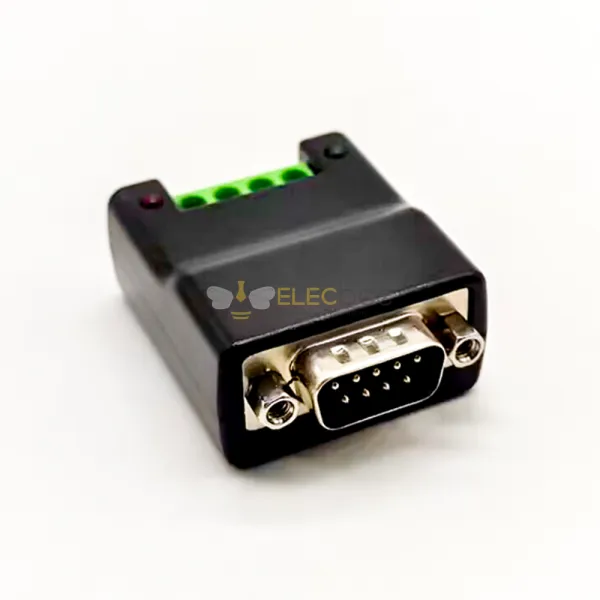
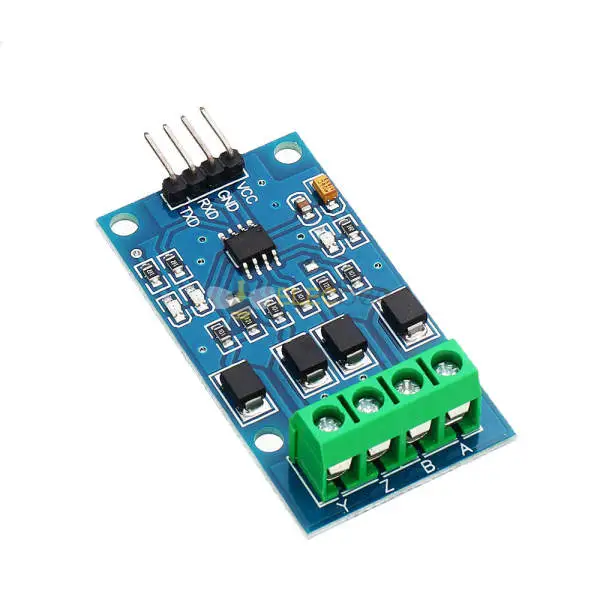
Mixed systems often need adapters such as:
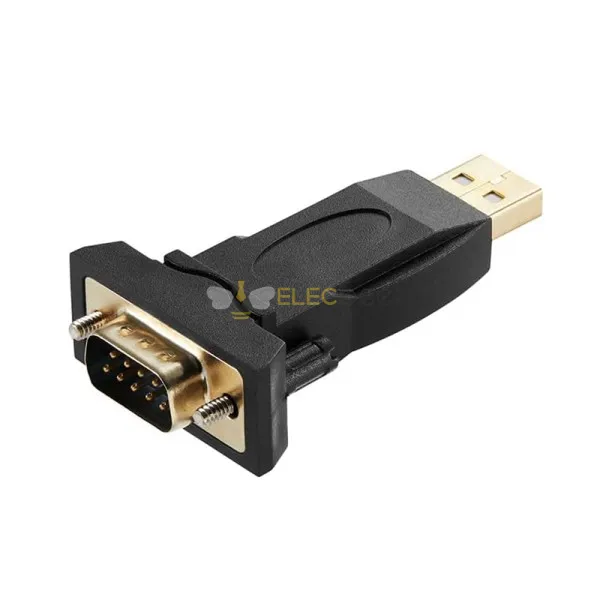
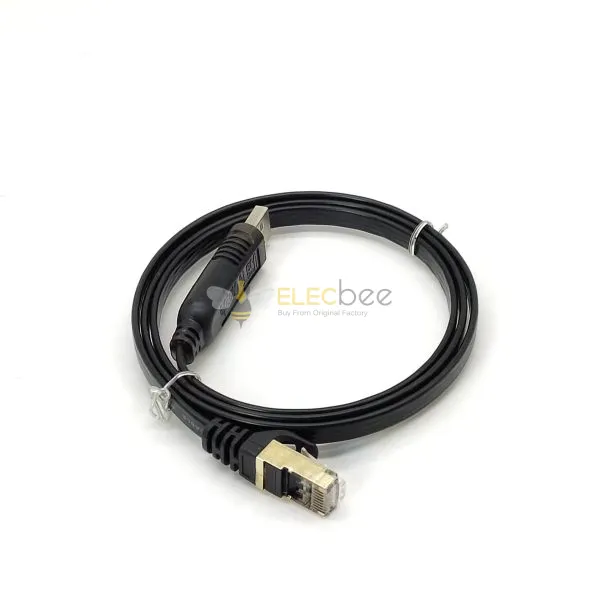
- USB to RS485 adapter
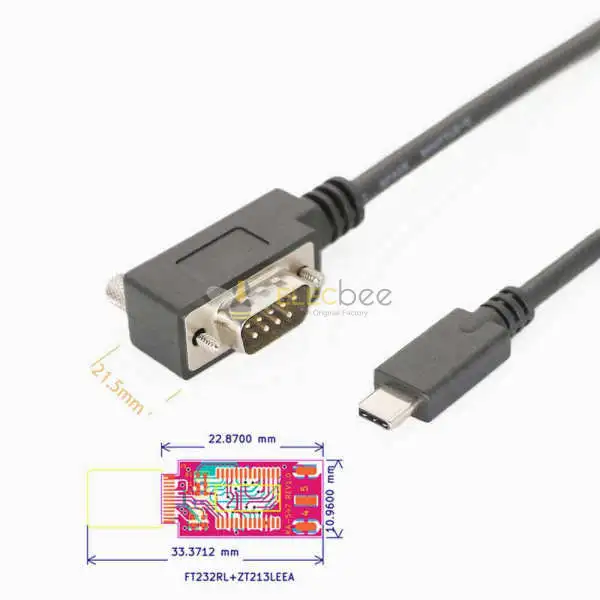
- USB to RS232 cable
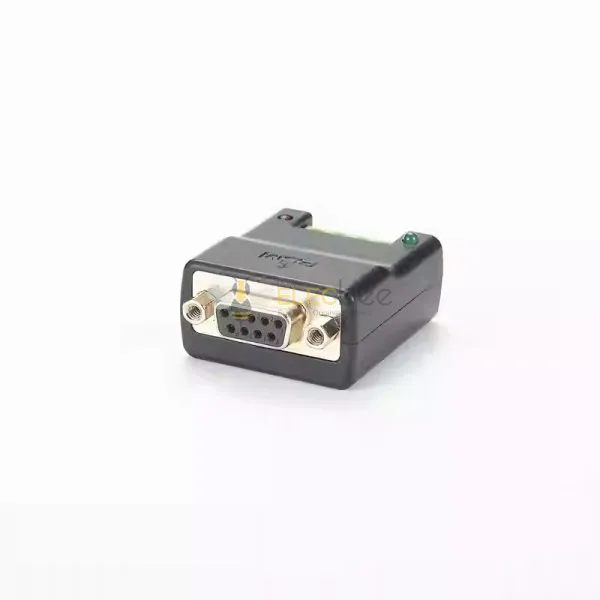
- RS232 to RS485 converter
- RS232 to RS422 converter
- DB9 serial cable
- Isolated industrial converters
For factory use, choose shielded or isolated models whenever possible.
10. FAQ
Is RS485 faster than RS232?
Usually yes. RS485 and RS422 can support much higher speeds, especially over short distances.
Is RS422 better than RS485?
Not necessarily. RS422 is excellent for dedicated full duplex links. RS485 is better for multi-device bus networks.
Can USB replace RS232?
Yes, many modern PCs use USB to serial adapters.
Can I directly connect RS232 to RS485?
Normally no. A converter is recommended.
Conclusion
If you only remember three points:
- RS232 = simple legacy point-to-point communication
- RS485 = industrial multi-device network standard
- RS422 = reliable full duplex long-distance link
For most modern industrial systems, RS485 is the best all-around choice.
For legacy equipment, RS232 still matters.
For dedicated control systems that need simultaneous send/receive communication, RS422 remains highly useful.
If you are looking for reliable converters, adapters, or custom serial cables, suppliers such as Elecbee offer a wide range of industrial serial connectivity solutions for both modern and legacy equipment.