

 0
0
If you have ever bought a power bank that claimed 10,000mAh or 20,000mAh, only to discover that it charged your phone fewer times than expected, you are not alone. This is one of the most common frustrations buyers mention online, and it is also one of the most misunderstood areas of portable charging. Many people assume that the number on the label should translate directly into real-world charging performance, but that is not how power banks work.
The good news is that you do not need a lab to run a useful power bank capacity test. With a USB tester, a USB load, and a basic understanding of how energy conversion works, you can get a realistic picture of how much capacity your power bank actually delivers. While a cheap setup will never be perfect, it is often good enough to tell whether a unit is healthy, overrated, or simply not worth trusting.
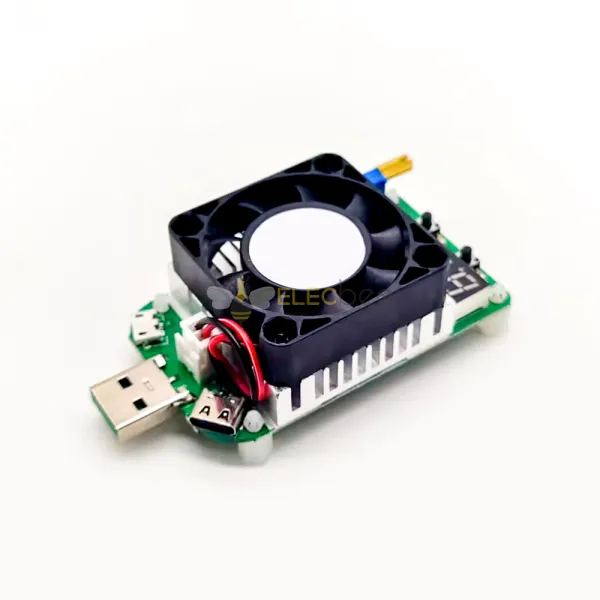
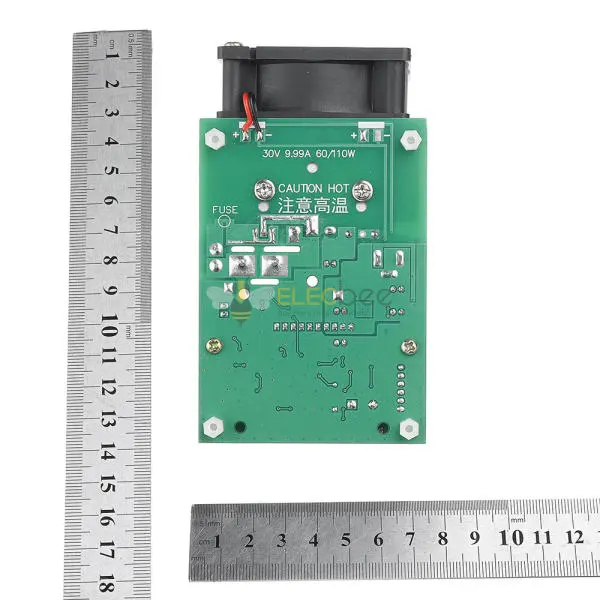
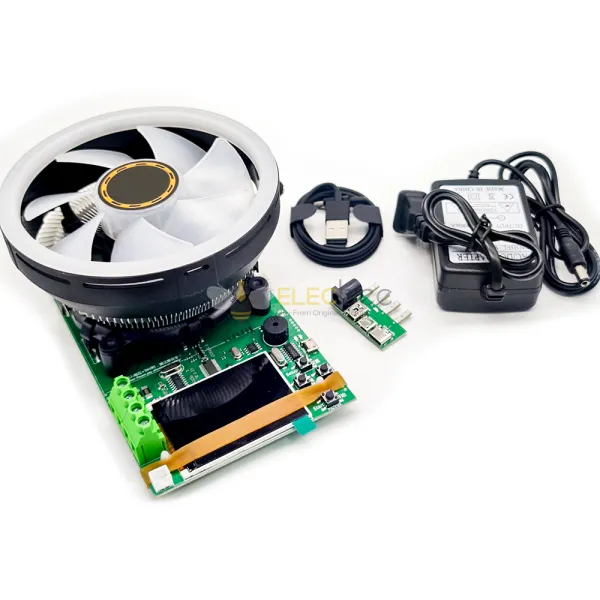
Many hobbyists and reviewers use tools such as the DL24P USB electronic load tester because it combines discharge testing, watt-hour logging, and protocol support in one device.
1. What Does Power Bank Capacity Really Mean?
The first thing to understand is that power banks are usually marketed using mAh at the battery cell voltage, which is typically around 3.7V for lithium-ion cells. That sounds straightforward, but the power bank does not output 3.7V during normal use. Instead, it converts that internal battery voltage into 5V USB output, or sometimes 9V, 12V, 15V, or 20V if fast charging protocols such as USB PD or QC are involved.
Because of that voltage conversion, the number you measure on the output side will almost always look lower than the advertised mAh figure, even when the power bank is working normally. This is why many experienced users prefer to think in watt-hours (Wh) rather than mAh, because watt-hours represent total energy more clearly across different voltages.
For example, a 10,000mAh power bank rated at 3.7V contains about 37Wh of energy on paper. Once that energy is converted to 5V output and some is lost as heat in the conversion process, the usable output is lower. That is normal, and it is one of the main reasons people think a perfectly acceptable power bank is “fake” when it may only be showing typical efficiency losses.
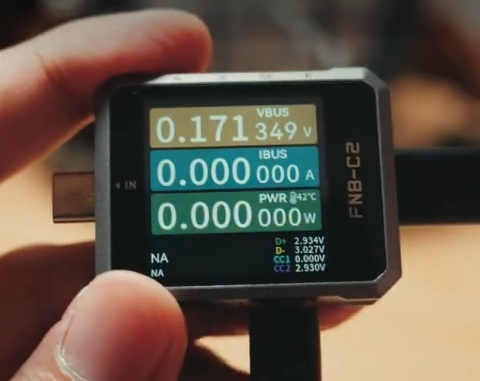
2. Can You Test Power Bank Capacity with a USB Load Like DL24P?
Yes, and for most users it is one of the most practical methods.
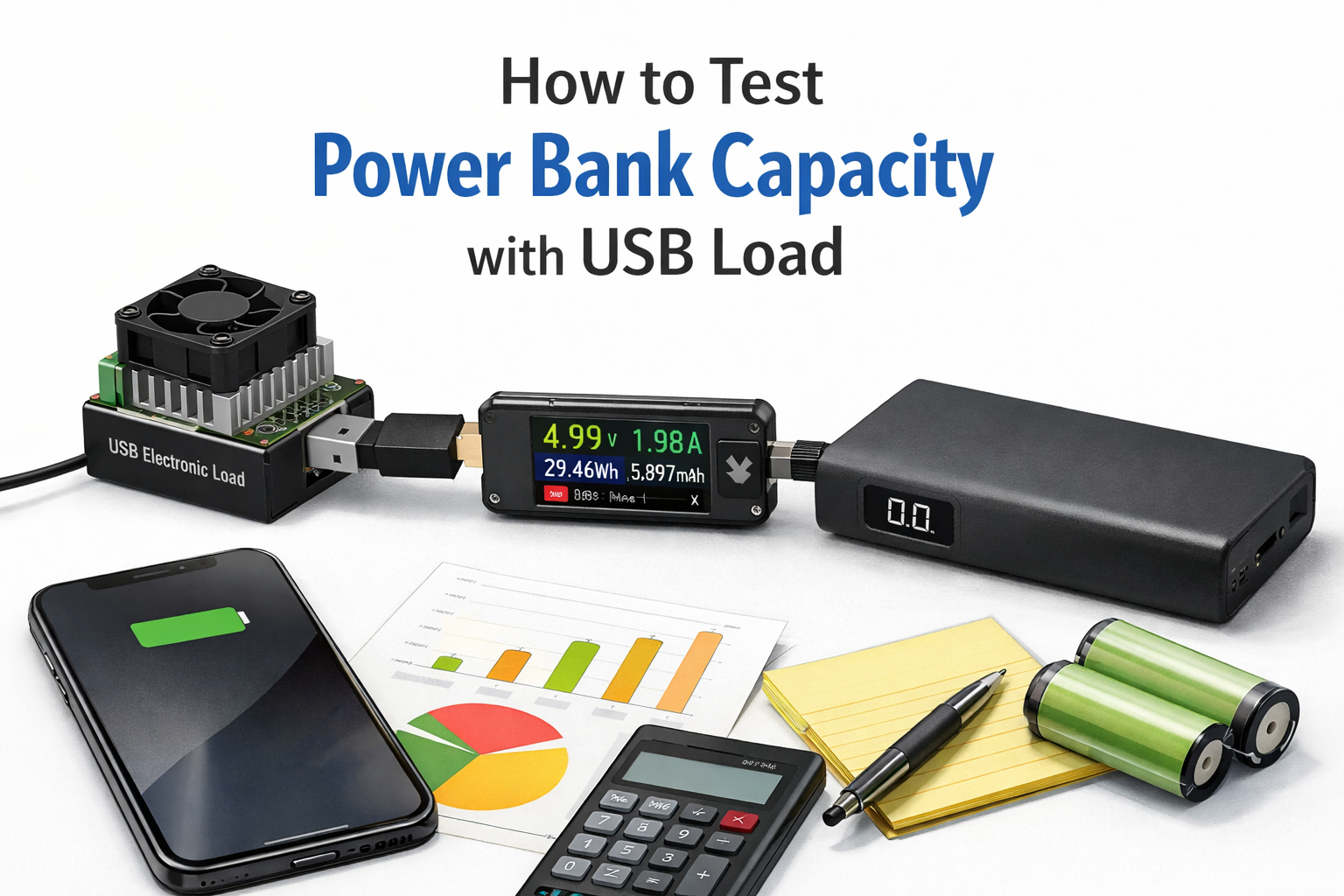
A USB load is a device that draws power from the power bank in a controlled way, usually at a fixed current such as 1A, 2A, or 3A. A USB tester sits inline and measures voltage, current, time, mAh, and sometimes Wh. When you combine the two, you can discharge the power bank into the load and record how much energy actually comes out.
This is much better than estimating capacity by charging a phone, because phones do not provide a stable test environment. They have background tasks, temperature management, changing charging curves, and battery wear, all of which make the result harder to trust. A USB load is not perfect, but it gives you a more repeatable and controlled test.
That said, the quality of your tools matters. A very basic inline meter can provide a rough estimate, while a smarter tester such as DL24P with protocol detection can do a much better job if your power bank supports PD or QC modes. For occasional testing, however, a basic setup is often enough to answer the simple question: is this power bank close to its claimed capacity, or is it far below expectations?
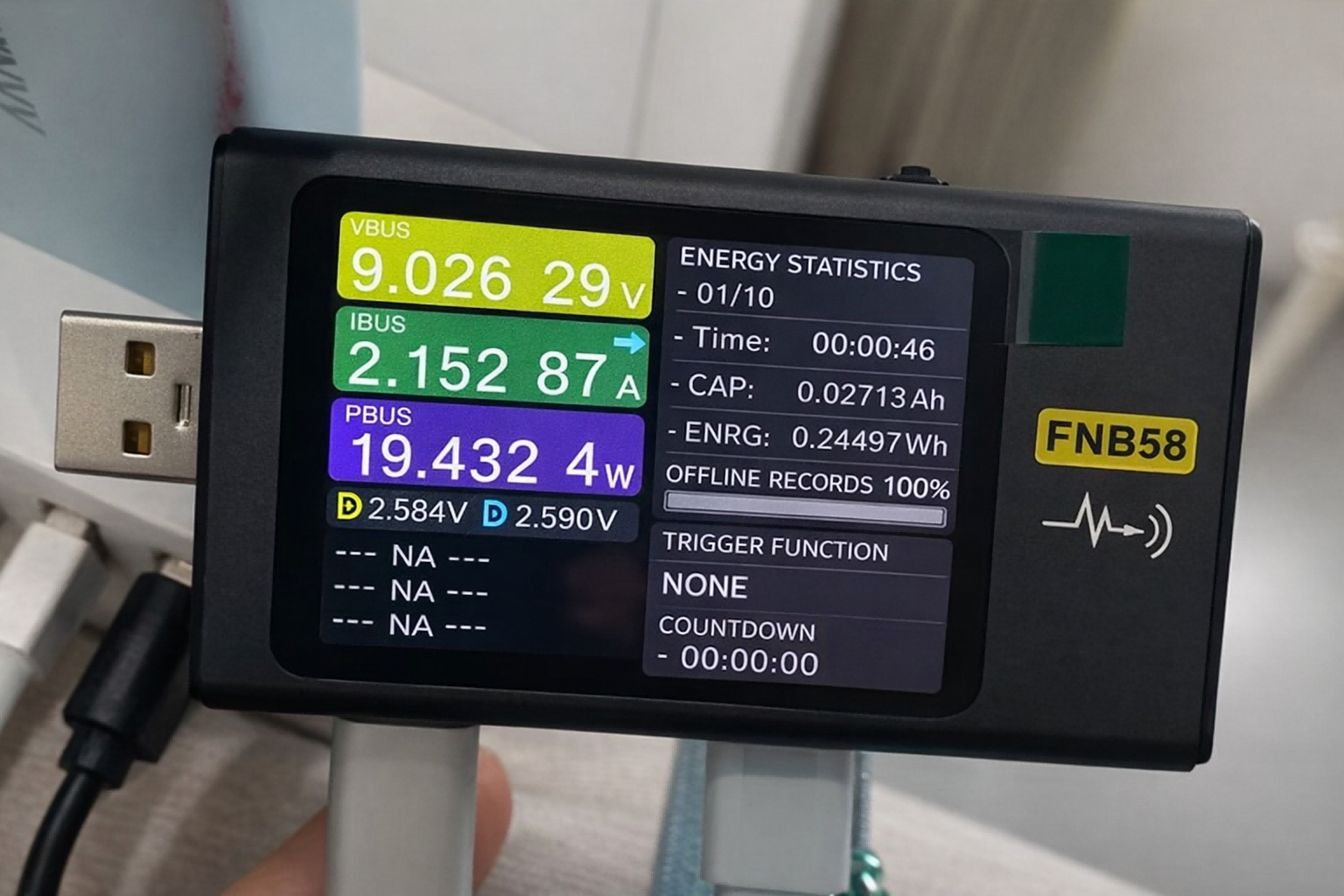
3. The Cheapest Way to Test Power Bank Capacity
If you do not plan to test power banks regularly, the most budget-friendly method is to use:
- a simple USB tester that can log Wh
- a USB dummy load or small electronic load
- a decent cable that you trust
- or an all-in-one tester such as DL24P
This kind of setup is popular because it keeps the cost low while still giving you useful data. Users frequently point out that many cheap testers are not highly accurate, yet they are still “good enough” for checking health, comparing one power bank against another, or spotting a defective unit.
The biggest limitation of budget gear is that many cheap USB testers cannot trigger advanced charging profiles. If your power bank only outputs 5V, this is less of a problem. If it supports USB-C PD or QC fast charging, however, a basic tester may only measure its 5V behavior, which means you are not fully testing what the power bank can do under different output modes.
So if your goal is casual verification, cheap tools can work. If your goal is detailed analysis across multiple voltages and fast-charge protocols, you will need a smarter tester such as DL24P and a more capable electronic load.
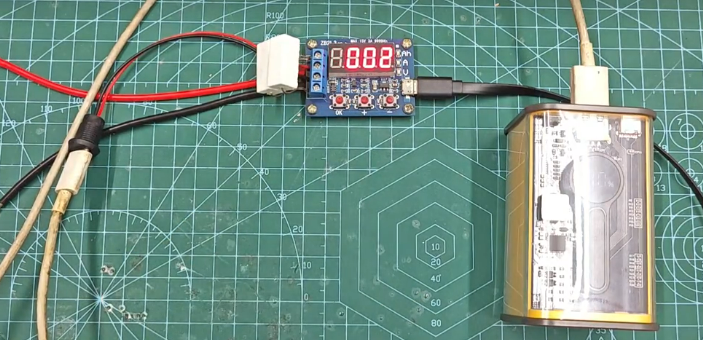
4. How to Test Power Bank Capacity Step by Step
Here is the simplest reliable method for how to test power bank capacity with USB load.
Step 1: Fully charge the power bank
Charge the power bank all the way until it indicates full. If possible, let it rest for a short time after charging, because this helps stabilize the reading and makes the test more consistent.
Step 2: Connect the tester and load
Plug the USB tester (for example DL24P) into the power bank’s output, and then connect the USB load to the tester. Make sure the load is rated for continuous operation at the current you plan to use, because some very cheap resistor-style loads are not ideal for long tests.
Step 3: Choose a realistic discharge current
For a small 10,000mAh power bank with basic 5V output, a 2A load is common and practical. If you use a very high current, you may stress the bank more than typical real-world use, which can slightly reduce measured output and increase heat.
Step 4: Run the test until the power bank shuts off
Let the power bank discharge fully into the load. Record the final Wh if your tester supports it. If it only shows mAh, record the average voltage as well, because voltage matters.
Step 5: Use Wh as your main result
If your tester gives you watt-hours directly, that is the most useful number. Compare that result with the power bank’s rated energy. A 10,000mAh bank at 3.7V is roughly 37Wh on paper, but the measured usable output will usually be lower because of conversion losses.
Step 6: Convert if needed
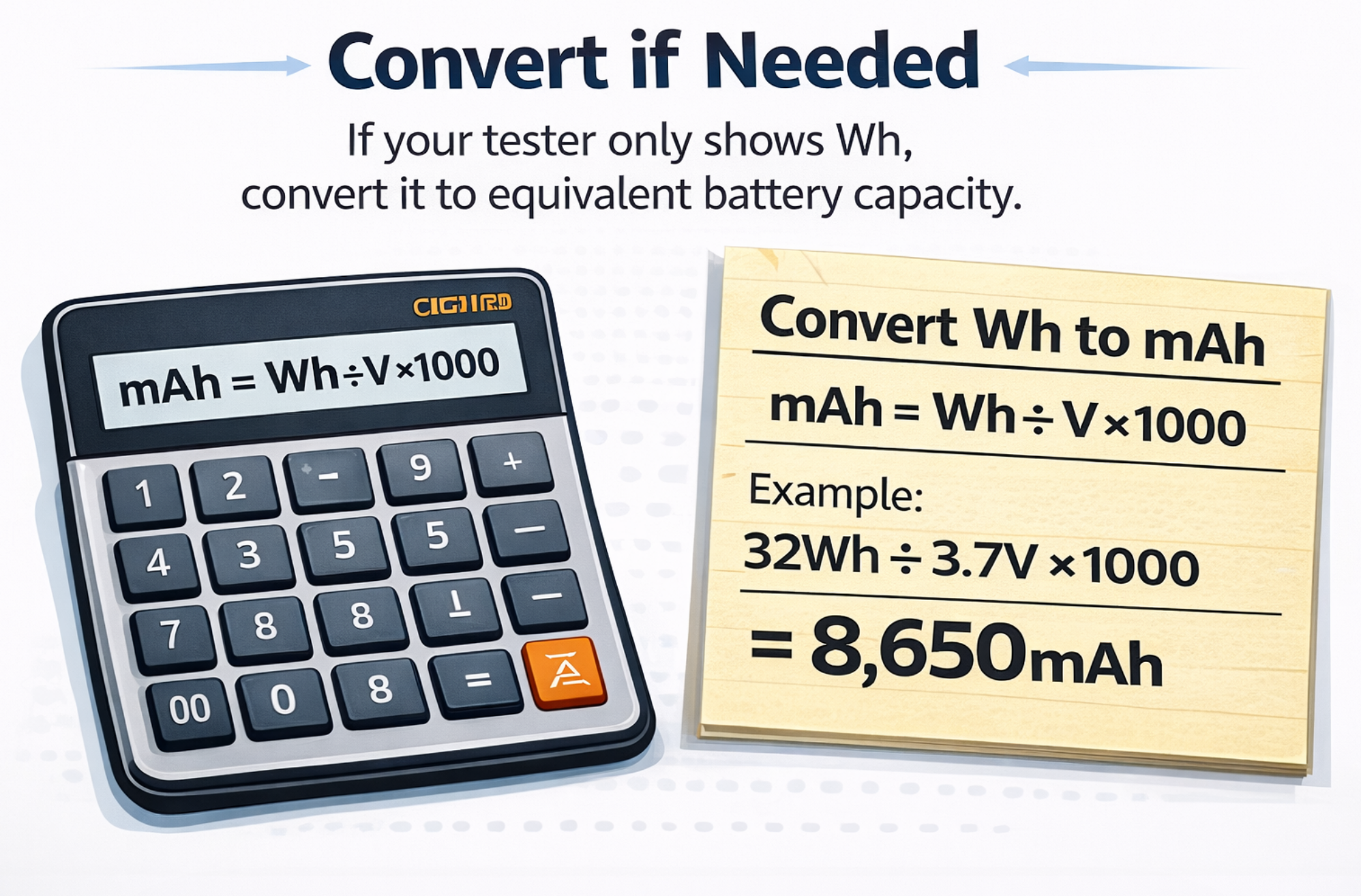
If the tester only shows output mAh at 5V, convert it to Wh:
Wh = V × Ah
Then, if you want to estimate equivalent capacity at 3.7V:
mAh at 3.7V = Wh ÷ 3.7 × 1000
This still gives an estimate, not a perfect lab-grade result, although it is much more meaningful than comparing raw 5V mAh against the label.
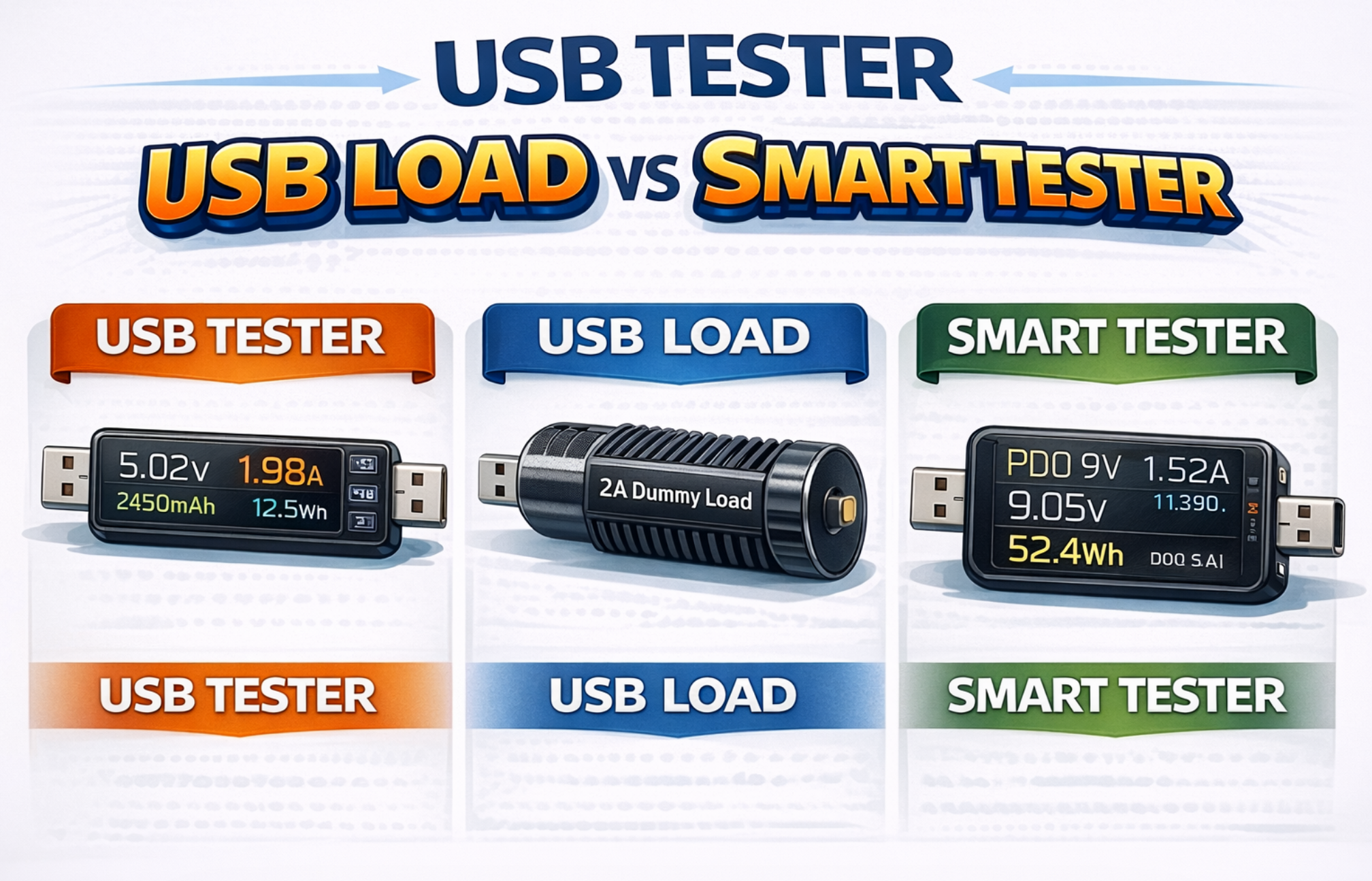
6. USB Tester vs USB Load vs Smart Tester (DL24P Example)
Not all test setups serve the same purpose, and choosing the wrong one is one of the most common mistakes beginners make.
A basic USB tester is useful for checking voltage, current, and total energy flow. It is affordable and often enough for simple 5V testing, especially if you only want a rough health check.
A USB load or dummy load gives the tester something stable to measure against. Without a load, you are not really testing discharge capacity in a controlled way.
A smart tester with PD/QC trigger support is better for modern power banks, because many units now support multiple output profiles. If your tester cannot negotiate those modes, you may only see part of the bank’s actual performance.
For most casual users, the best value is a basic tester plus a safe USB load. For hobbyists, reviewers, or anyone who tests several devices, a more advanced tester and electronic load are worth the extra cost because they reduce guesswork and improve repeatability. Devices like DL24P are popular because they combine tester, trigger, and electronic load functions in one compact unit.
8. FAQ
Is DL24P good for testing power bank capacity?
Yes. The DL24P is popular because it can discharge power banks under controlled load, measure Wh/mAh, and support PD/QC protocols, making it useful for realistic capacity testing.
Is mAh or Wh better for testing power banks?
Wh is better, because it represents total energy and avoids confusion when voltage changes between the battery cells and USB output.
9. Conclusion
If you want to measure power bank capacity accurately, the most practical method for most users is a discharge test using a USB tester and a USB load. It is not lab-grade, but it is far more reliable than guessing based on how many times your phone charges.
If you test power banks regularly, using a dedicated tool like DL24P can make the process faster and more repeatable.