

 0
0
When working with RF systems, choosing the right connector is just as important as selecting the right cable or antenna. A common question among engineers and hobbyists is: TNC connector vs N type connector — what’s the difference, and which one should you use?
If you've ever struggled to identify a connector or wondered why there are so many types, you're not alone. Many users in RF communities face the same confusion . This guide will break everything down clearly.
1. What Is an RF Connector and Why It Matters
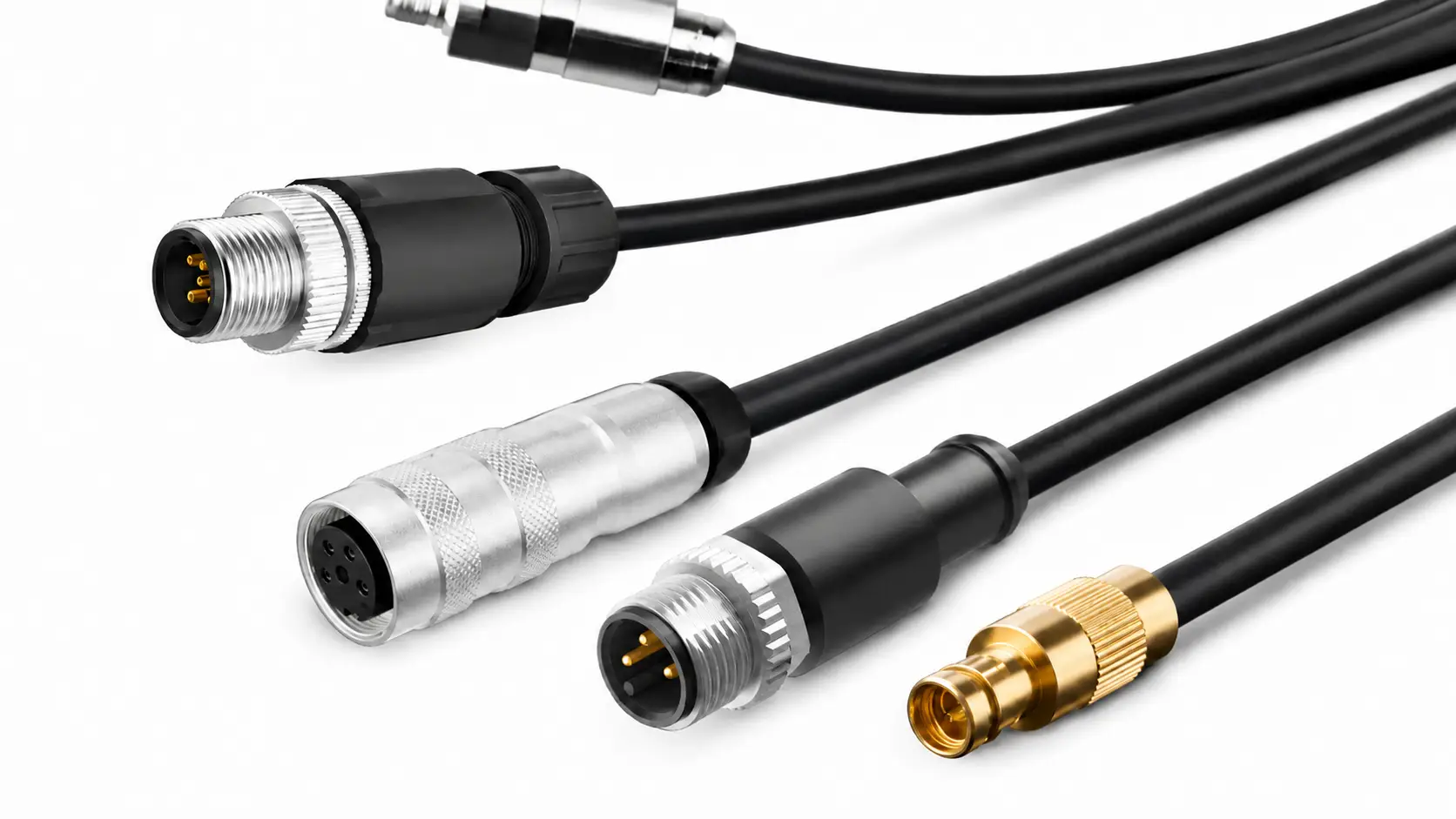
RF connectors are designed to carry high-frequency signals with minimal loss. They connect coaxial cables to antennas, radios, and test equipment.
Choosing the wrong connector can lead to:
- Signal loss
- Impedance mismatch
- Poor durability
That’s why understanding connector types is critical.

2. What Is a TNC Connector
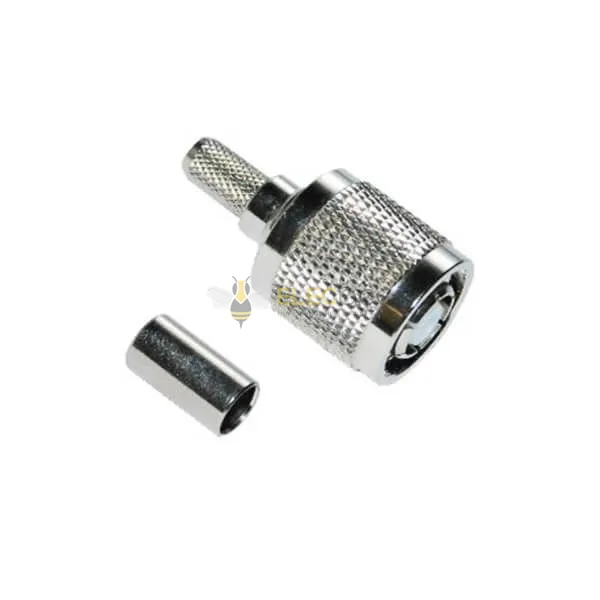
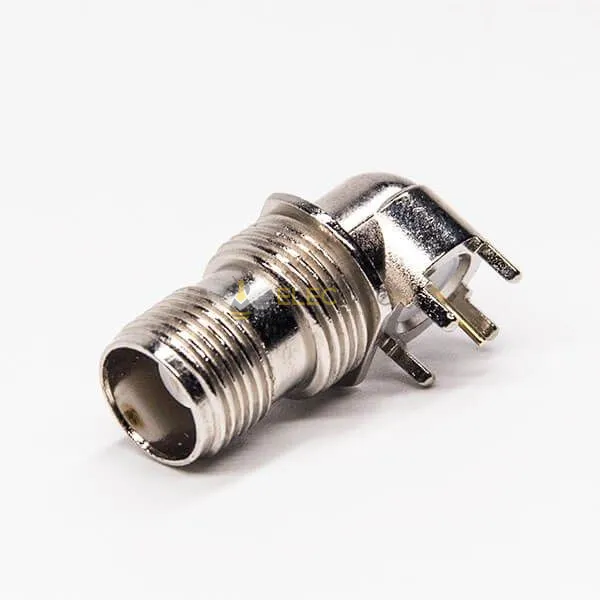
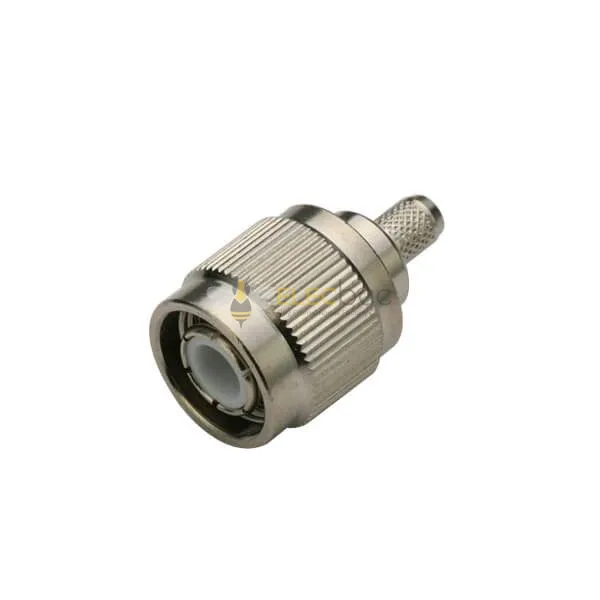
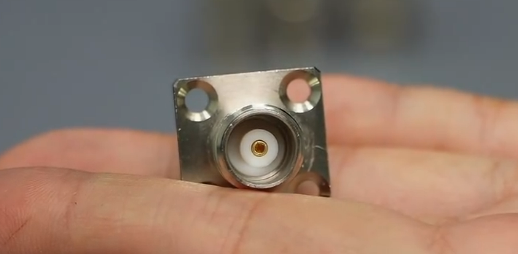
A TNC (Threaded Neill-Concelman) connector is essentially a threaded version of the BNC connector.
Key Features:
- Threaded coupling for secure connection
- Moderate size
- Good performance up to GHz range
Typical Applications:
- Mobile radio systems
- GPS equipment
- Wireless communication devices
👉 Many users describe it simply as:
“BNC, but with threads.”
3. What Is an N Type Connector
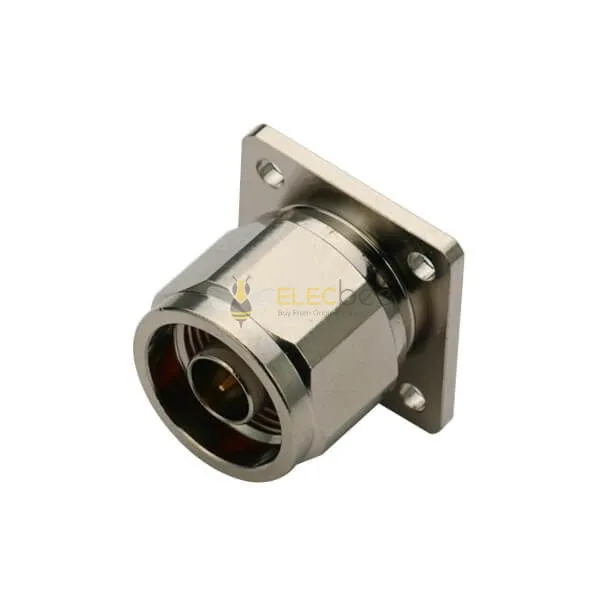
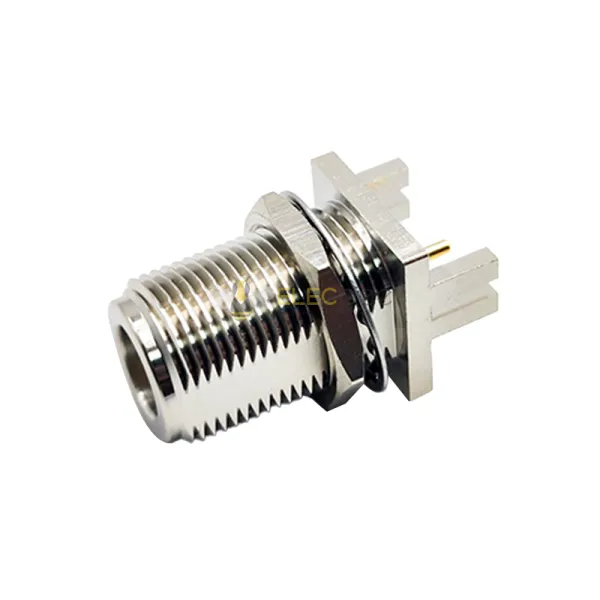
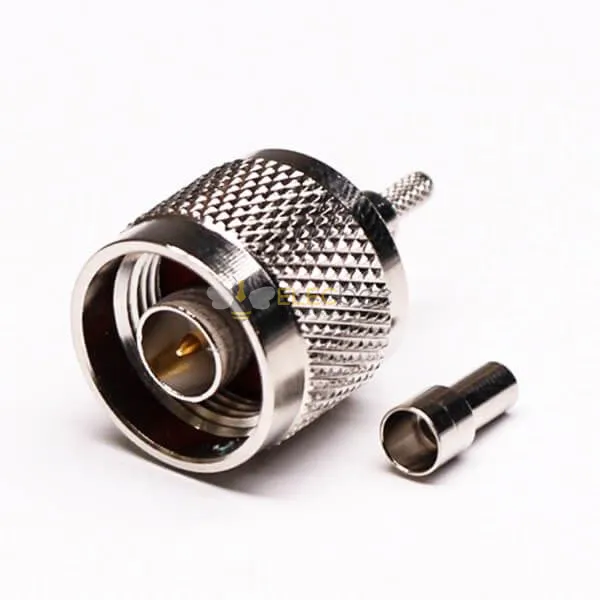
The N type connector is larger and designed for higher performance applications.
Key Features:
- Larger size
- Excellent impedance control
- Weatherproof design
Typical Applications:
- Outdoor antennas
- Base stations
- High-frequency RF systems
N connectors are widely preferred for:
- High power
- High frequency
- Harsh environments

4. TNC Connector vs N Type: Key Differences
|
Feature |
TNC Connector |
N Type Connector |
|
Size |
Smaller |
Larger |
|
Frequency Range |
Up to ~11 GHz |
Up to ~18 GHz |
|
Weather Resistance |
Moderate |
Excellent |
|
Power Handling |
Medium |
High |
|
Typical Use |
Mobile / compact devices |
Outdoor / base stations |
👉 Key takeaway:
- TNC = compact + secure
- N type = robust + high performance
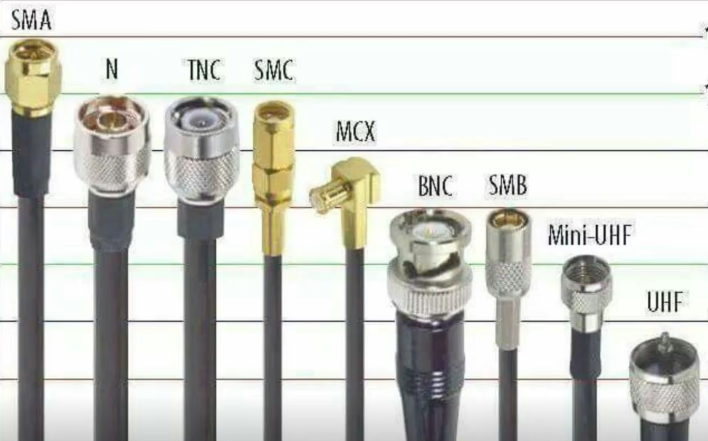
5. How to Identify TNC vs N Type Connectors
Many users confuse these connectors — especially TNC, BNC, and N.
Quick Identification Tips:
- Check size
- TNC = smaller
- N = larger
- Look at threading
- Both are threaded, but N has thicker threads
- Compare with known connectors
- TNC resembles BNC but with threads
- N is visibly bulkier
👉 In real discussions, users often misidentify connectors as SMA or F-type before realizing it's TNC
6. Which RF Connector Should You Choose
There is no universal “best” connector — it depends on your application
Choose TNC if:
- You need compact size
- You want a secure threaded connection
- You work with mobile or handheld devices
Choose N Type if:
- You need outdoor durability
- You operate at higher frequencies
- You require lower signal loss
7. Common Mistakes When Choosing RF Connectors
❌ Mistake 1: Assuming one connector is “best”
Reality: Each connector has trade-offs
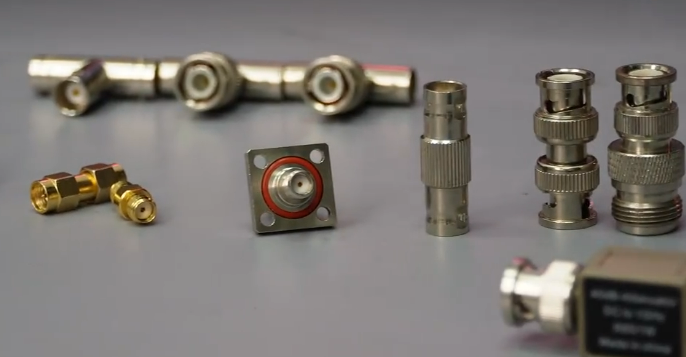
❌ Mistake 2: Mixing connectors without adapters
This can damage interfaces
❌ Mistake 3: Ignoring frequency limits
Example:
- Some connectors perform poorly at high frequencies
❌ Mistake 4: Using indoor connectors outdoors
Water ingress is a major failure cause
Conclusion
When comparing TNC connector vs N type connector, the decision comes down to application requirements:
Understanding these differences will help you:
- Avoid compatibility issues
- Improve signal performance
- Extend equipment lifespan
FAQ
Q1: Can a TNC connector fit an N connector?
Not properly. They may look similar but are not compatible.
Q2: Is TNC better than BNC?
Yes, for vibration resistance and higher frequency use.
Q3: Which connector is best for outdoor antennas?
N type connectors are preferred due to weather resistance.