

 0
0
The TTGO T-Beam has become one of the most widely used devices in the Meshtastic ecosystem. For beginners and hobbyists exploring LoRa communication, it often appears as the “default choice.”
But why is it so popular—and is it still the best option today?
This article breaks down real user insights to help you understand whether the TTGO T-Beam is right for your use case.
1. What Is the TTGO T-Beam?
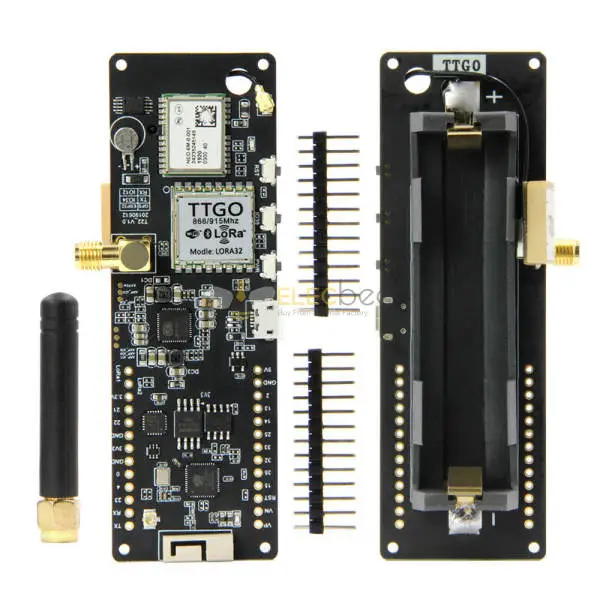
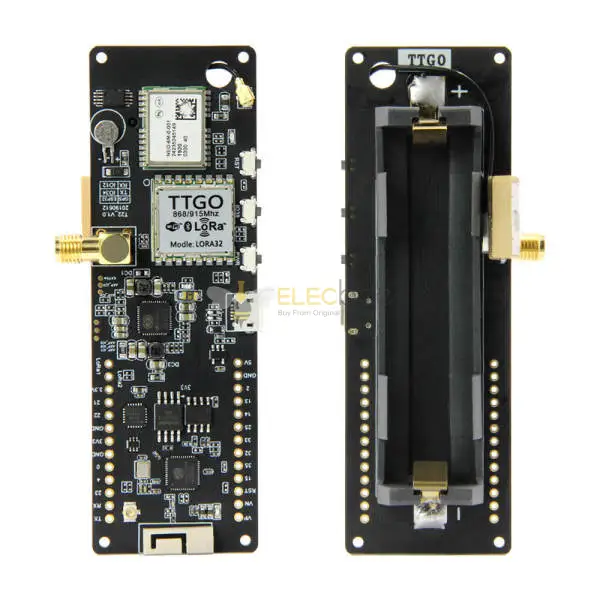
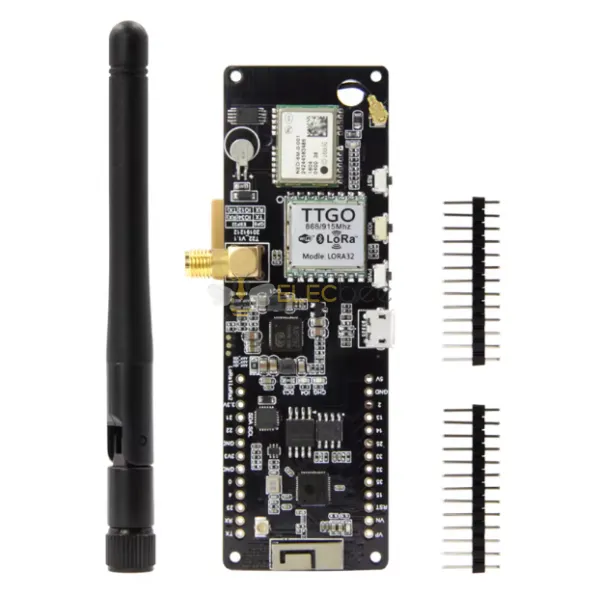
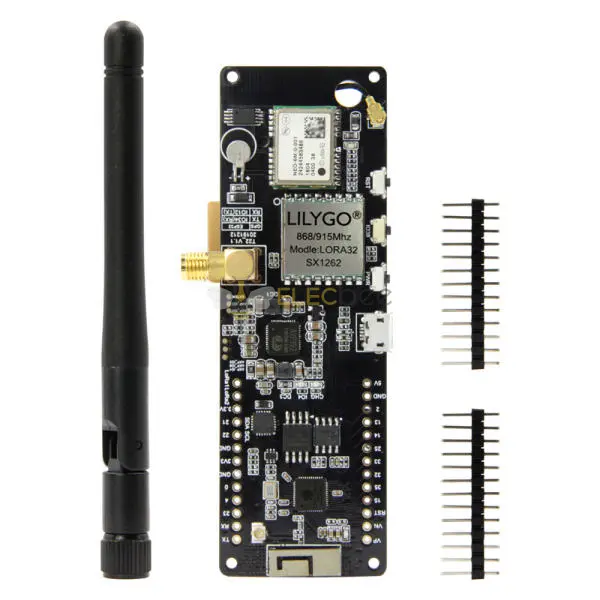
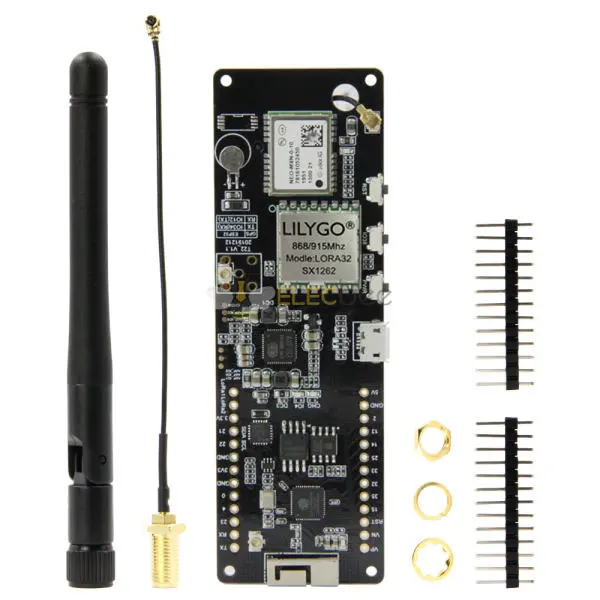
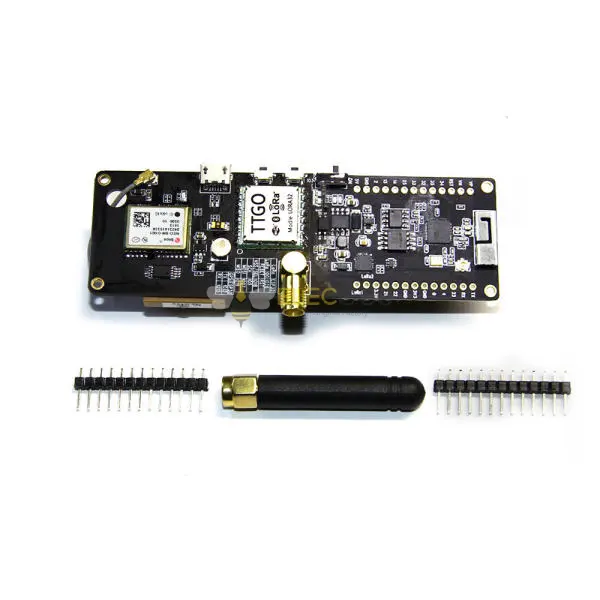
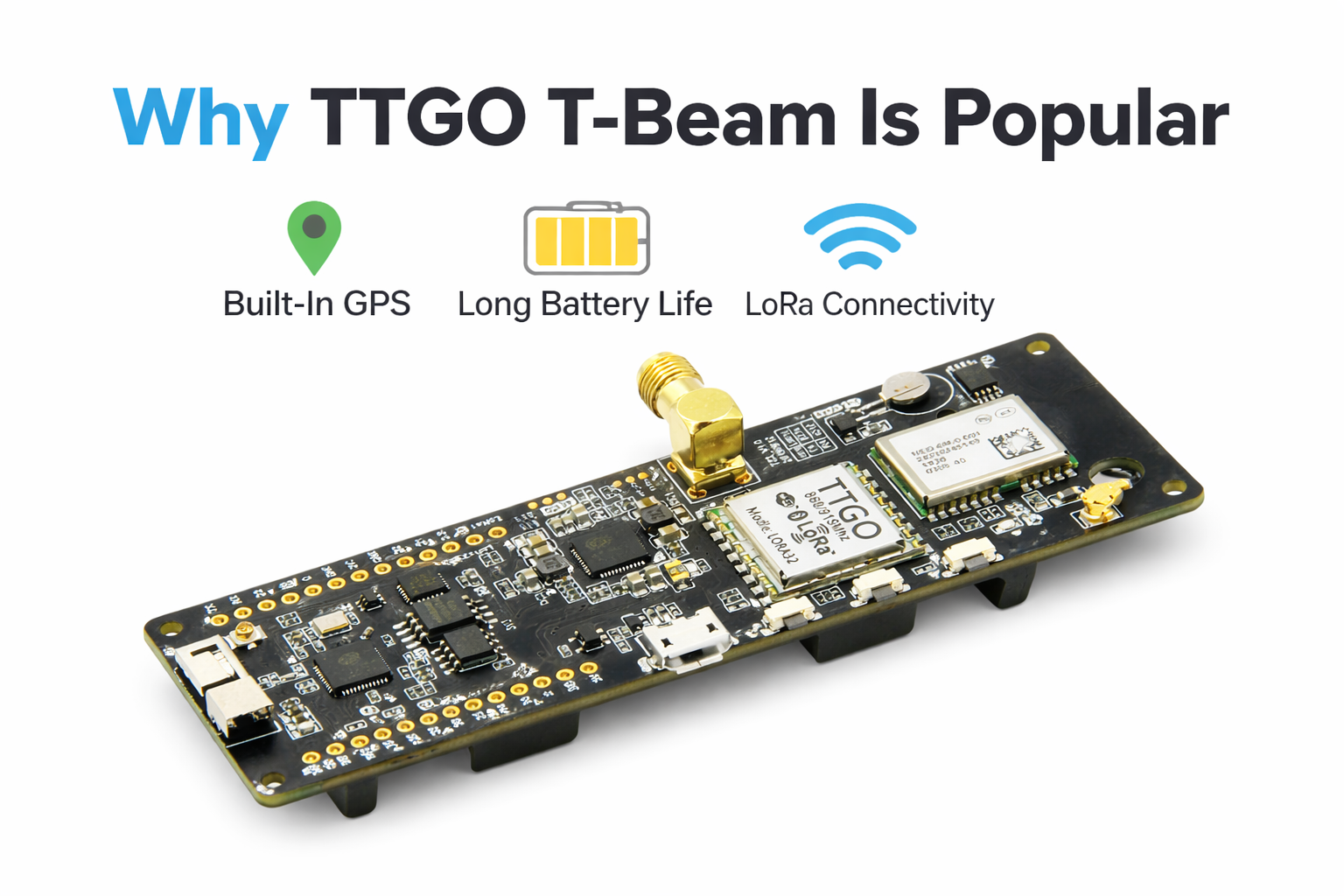
The TTGO T-Beam is a LoRa development board based on the ESP32 platform, designed for long-range communication projects such as Meshtastic.
It combines several key components into one compact device:
- ESP32 microcontroller
- LoRa radio (SX1276 / SX1262 in newer versions)
- Built-in GPS
- 18650 battery support
- WiFi and Bluetooth connectivity
This all-in-one design is one of the main reasons for its popularity.
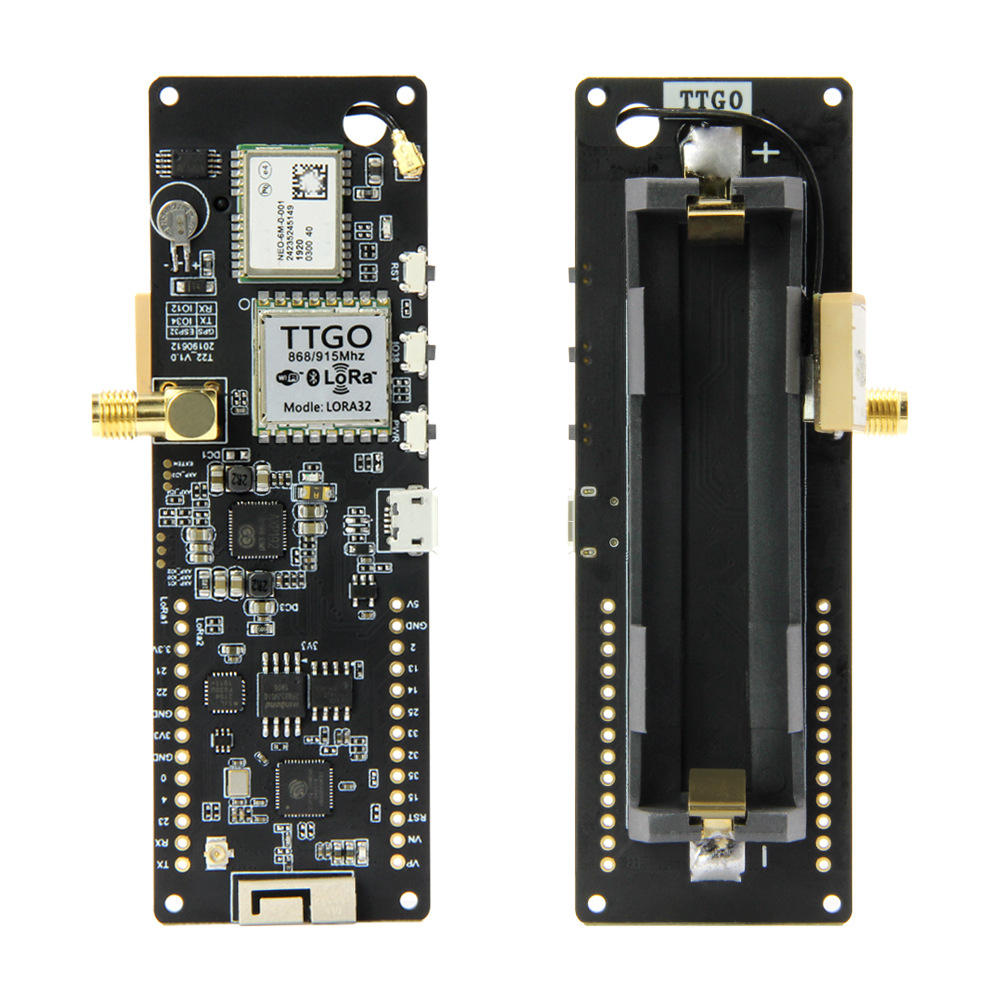
2. Why TTGO T-Beam Is So Popular
All-in-One Convenience
Unlike many competing boards, the T-Beam integrates GPS and battery support directly.
Users don’t need to solder extra modules or design custom setups, making it ideal for beginners.
Beginner-Friendly Entry Point
Many users mention choosing the T-Beam as their first Meshtastic device because it allows them to:
- Experiment quickly
- Test multiple features (GPS, MQTT, Bluetooth)
- Use it as both mobile and base node
👉 As one user noted, it’s “a nice first node to try everything before upgrading.”
Affordable Price
Typically priced under $50–$100 with accessories, the T-Beam offers strong value compared to more advanced setups.
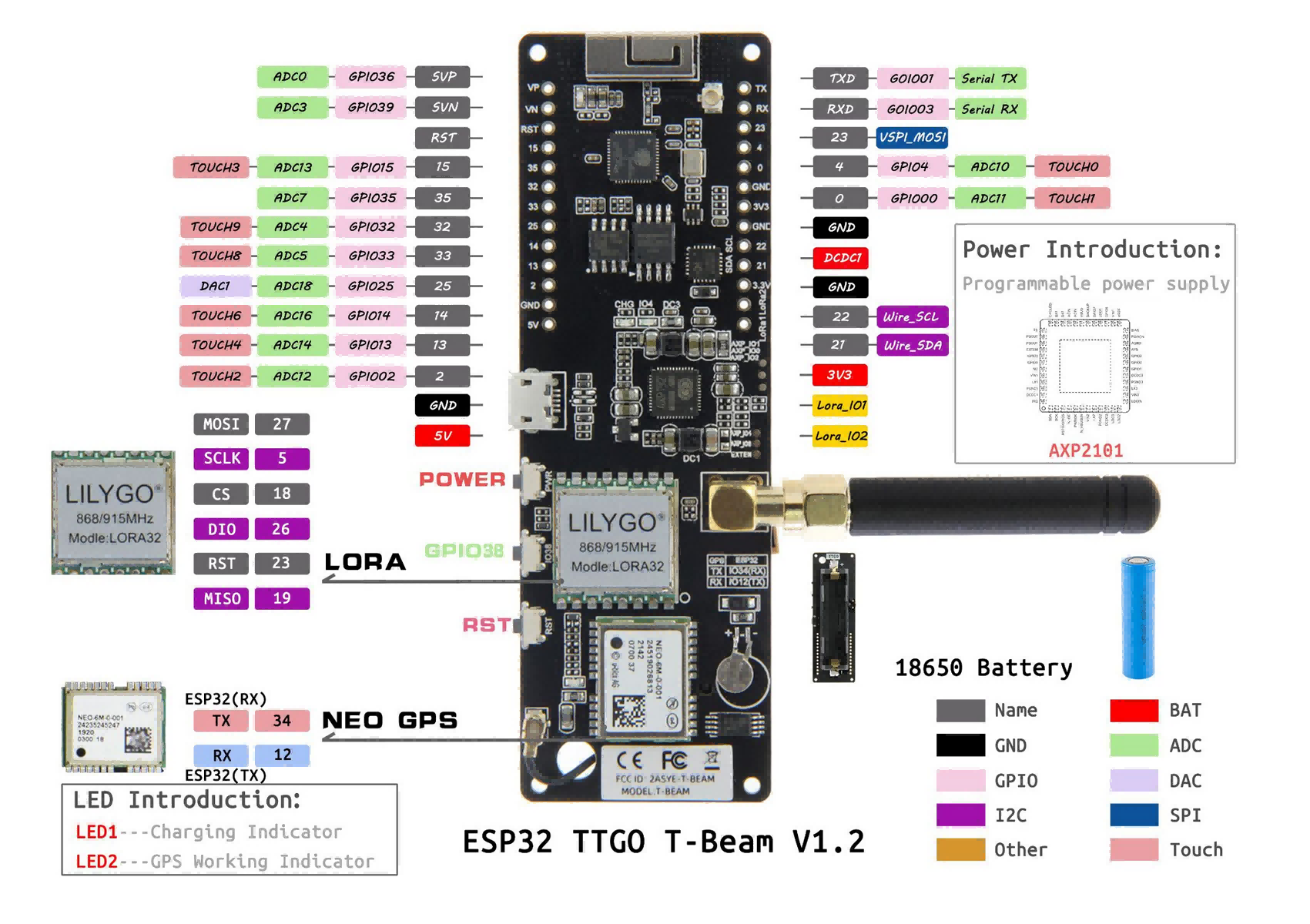
3. Real User Feedback:
What Users Love
- Built-in GPS and battery simplify setup
- Solid for portable/mobile nodes
- Flexible for experimentation
- Easy to expand with external antennas
Many users also highlight its versatility as both:
- a portable device
- a starter base station
Common Complaints
However, real-world feedback reveals several limitations:
Poor Stock Antenna
Multiple users point out that the default antenna is weak and should be replaced.
Battery Life Concerns
ESP32-based devices consume more power compared to newer alternatives.
Some users report:
- only a few hours of active use
- significantly shorter runtime compared to RAK devices
GPS Is Overrated
Interestingly, many experienced users say GPS is not as useful as expected:
- stationary nodes don’t need it
- mobile nodes can use phone GPS instead
Power Efficiency Issues
Compared to nRF52840-based devices (like RAK), the T-Beam is much less efficient, especially for solar setups.
4. TTGO T-Beam Pros and Cons
✅ Advantages
- All-in-one design (GPS + battery + LoRa)
- Great for beginners
- Flexible and hackable
- Good for mobile nodes
❌ Limitations
- High power consumption
- Weak stock antenna
- GPS often unnecessary
- Not ideal for long-term solar deployments
5. TTGO T-Beam vs Other Meshtastic Devices
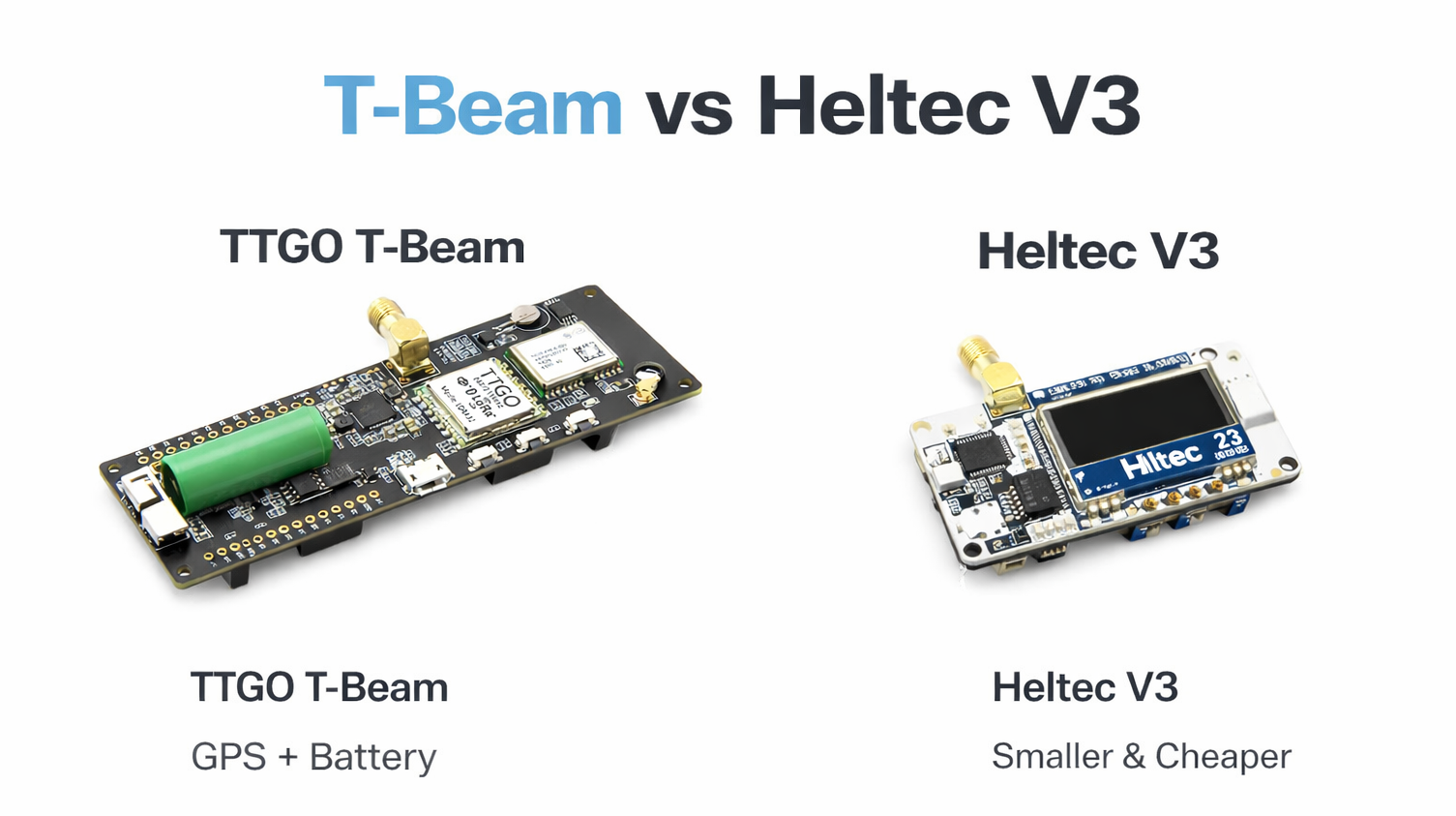
T-Beam vs Heltec V3
- Heltec is cheaper and smaller
- T-Beam includes GPS and battery
- Performance difference depends more on antenna than chipset
👉 Users report similar performance when antennas are optimized
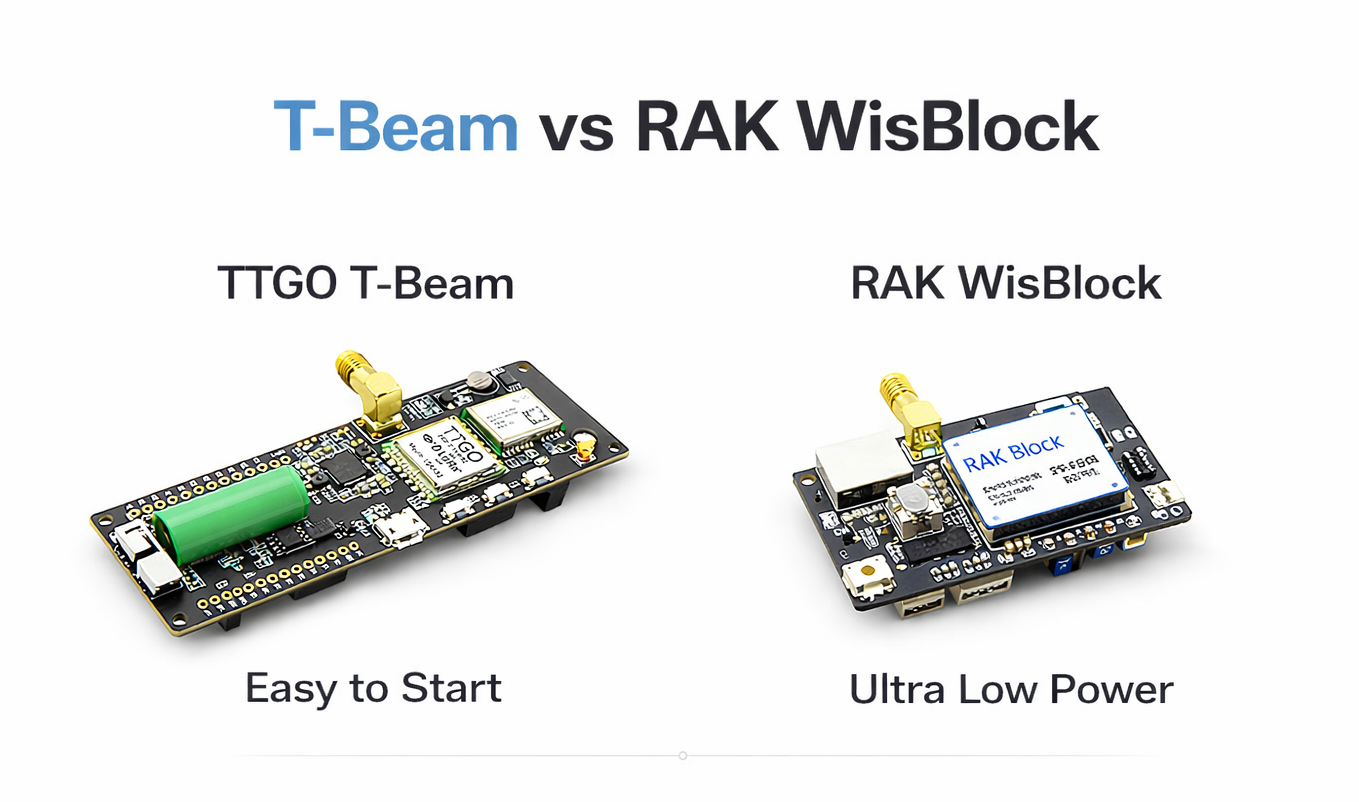
T-Beam vs RAK WisBlock
- RAK offers much better battery life (days or weeks)
- T-Beam is easier to start with
- RAK is better for solar and permanent nodes
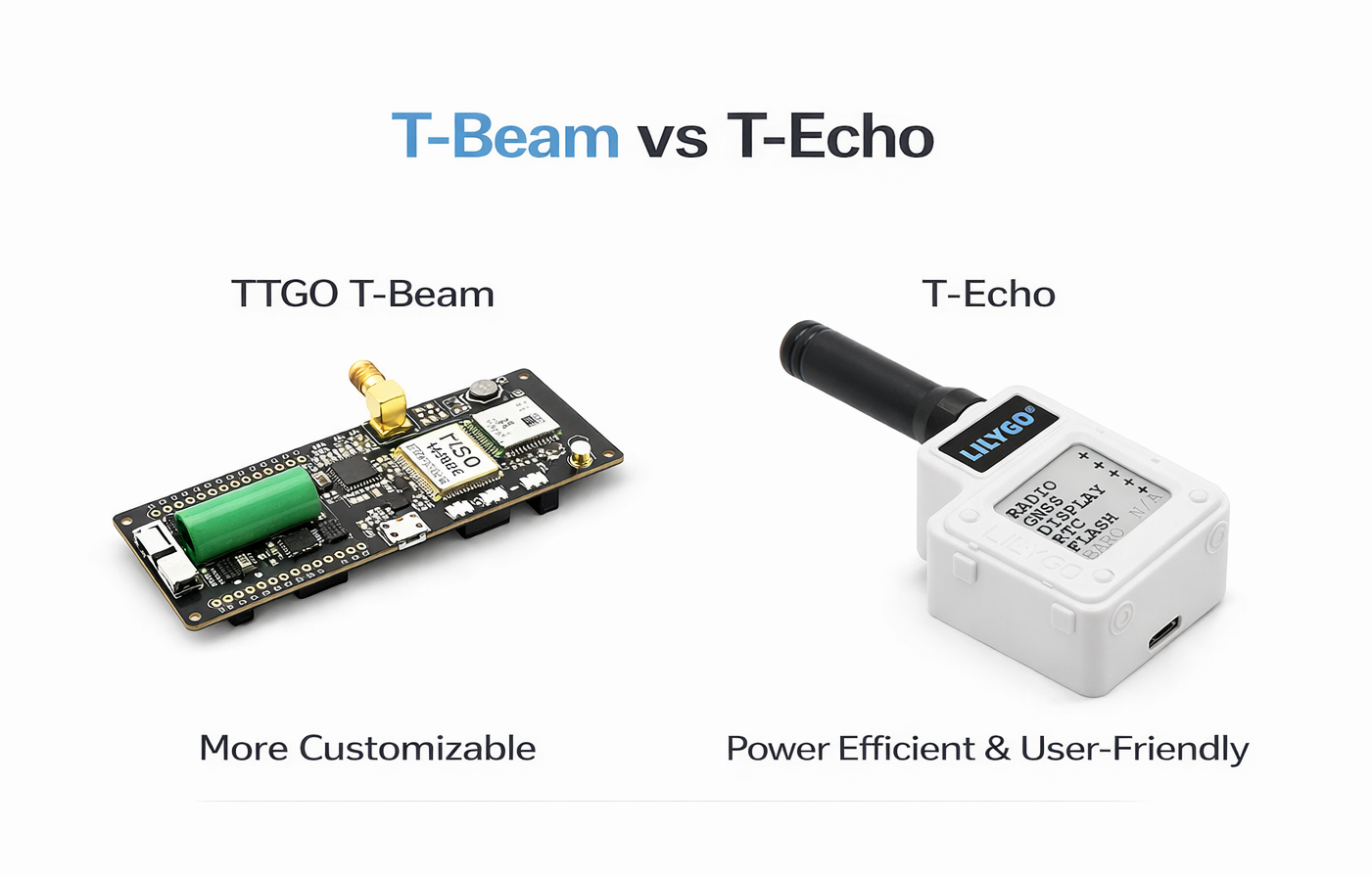
T-Beam vs T-Echo
- T-Echo is more power-efficient
- T-Beam is more customizable
- T-Echo is more “consumer-friendly”
6. Is TTGO T-Beam Good for Your Use Case?
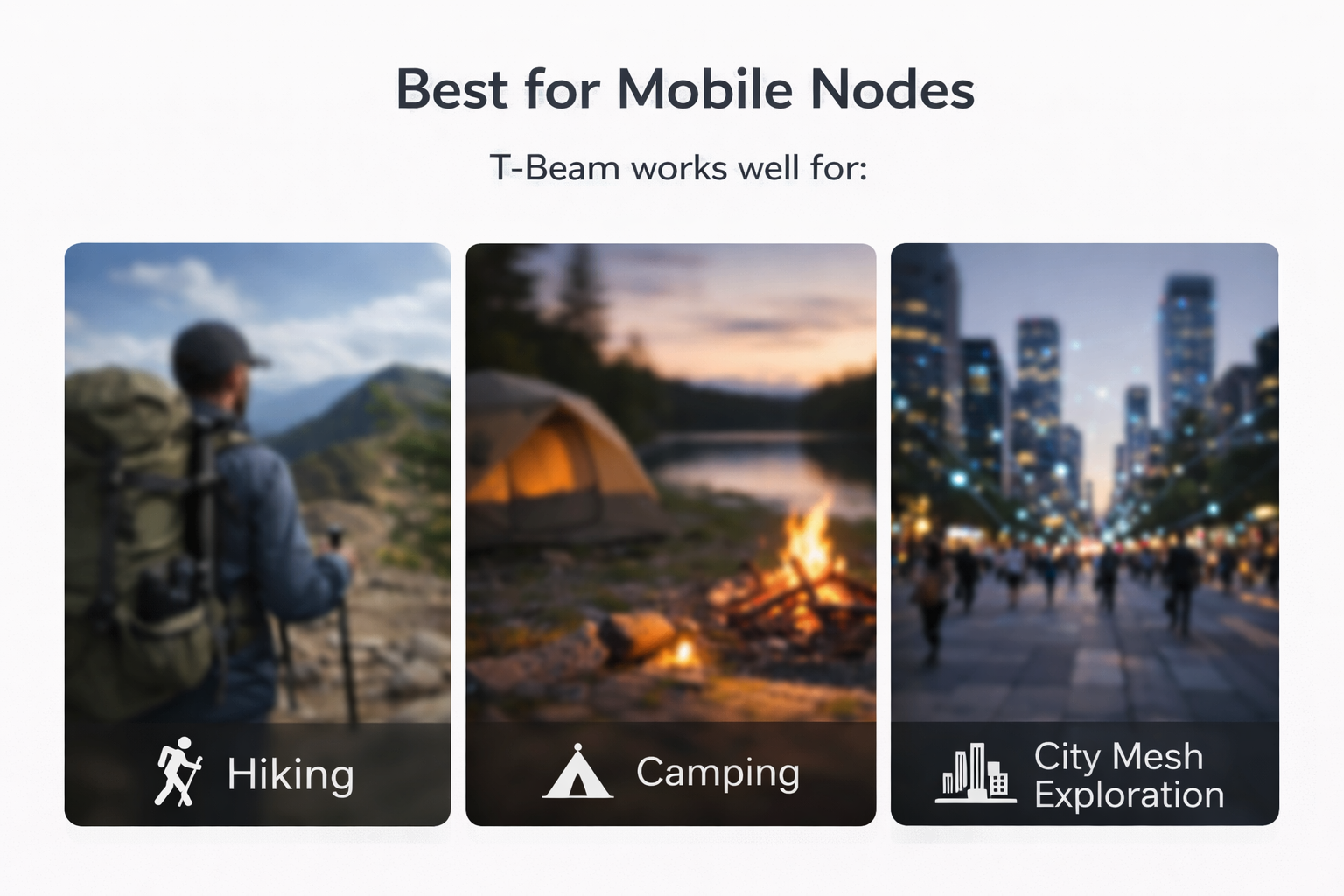
Best for Mobile Nodes
T-Beam works well for:
- hiking
- camping
- city mesh exploration
Not Ideal for Solar Nodes
Due to power consumption, it’s not the best option for:
- remote repeaters
- long-term outdoor deployments
Good for Beginners
If you're new to Meshtastic, the T-Beam is still one of the easiest ways to start.
7. Tips to Get the Best Performance
Upgrade the Antenna
This is the #1 improvement you can make.
A better antenna can dramatically increase range—more than changing the board itself.
Optimize Power Usage
- Disable GPS if not needed
- Turn off screen
- Use larger 18650 batteries
Improve Placement
Height and line-of-sight matter more than hardware:
- place nodes higher
- avoid obstacles
8. Conclusion
The TTGO T-Beam remains popular because it strikes a balance between functionality, price, and ease of use.
However, it’s not perfect.
- If you want maximum flexibility and a great learning platform, it’s a solid choice
- If you need long battery life or solar deployment, better options exist
👉 In short:
T-Beam is a great starting point—but not always the final upgrade.