

 0
0
STM32 vs Arduino is one of the most common questions for embedded beginners and engineers.If you’re starting your journey into embedded systems, chances are you’ve already run into the classic STM32 vs Arduino debate. Some people insist Arduino is “just a toy.” Others say jumping straight into STM32 is the only “serious” path.
Users discussions tell a very different—and far more practical—story.
This article cuts through the noise and answers the real question: Should you learn Arduino or STM32 first if your goal is professional embedded development?
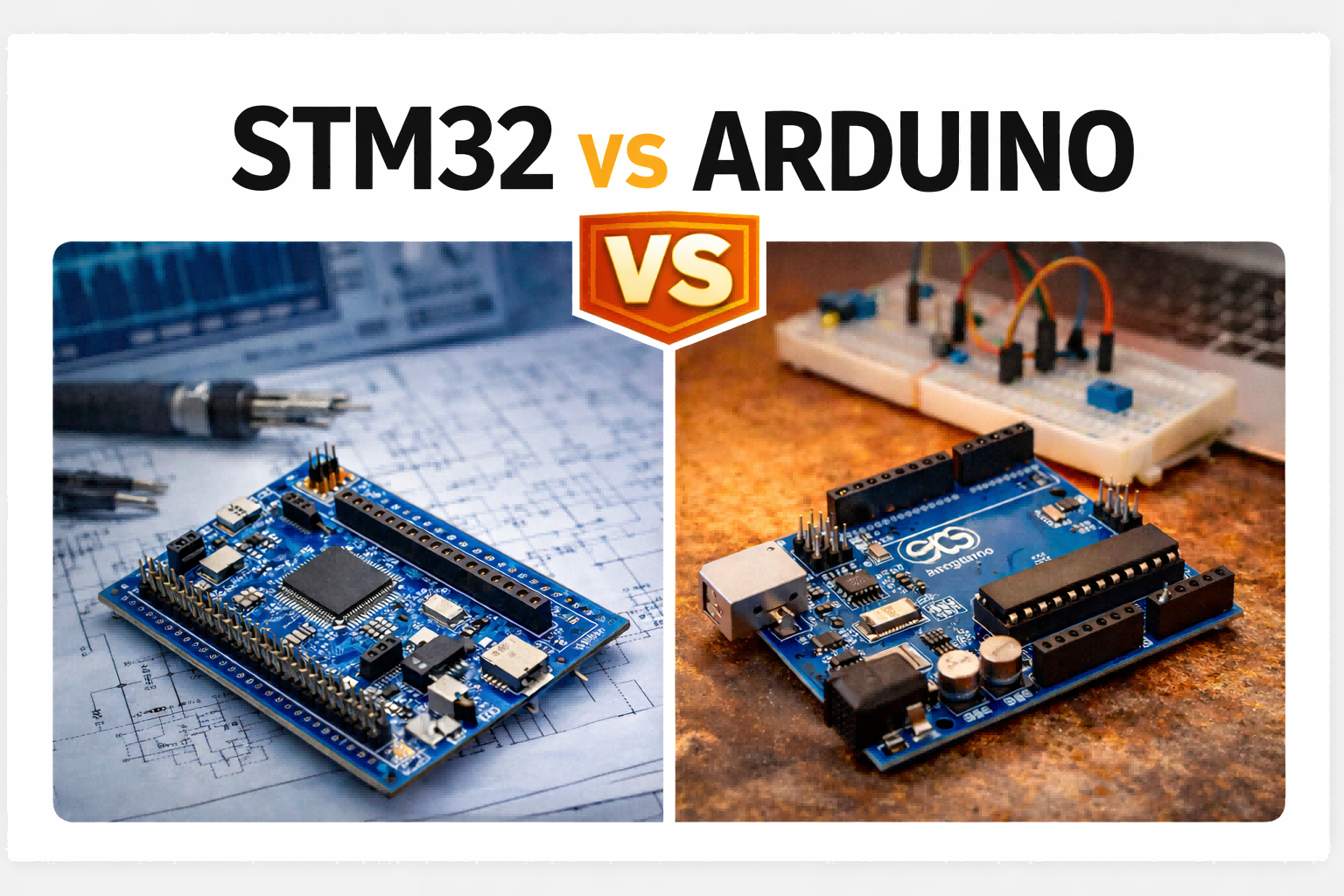
1. Why STM32 vs Arduino Is the Wrong First Question
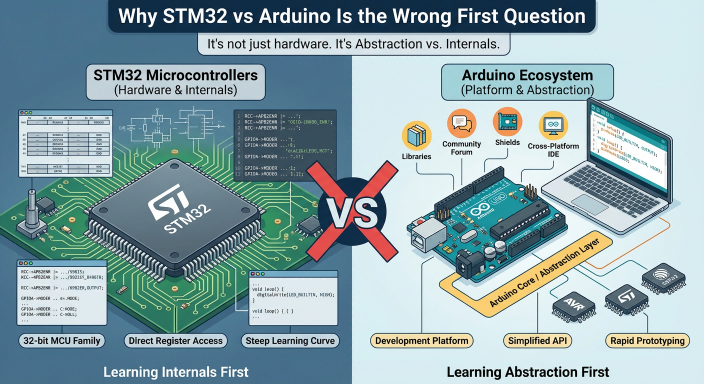
The first mistake beginners make is comparing Arduino and STM32 as if they are the same thing.
They’re not.
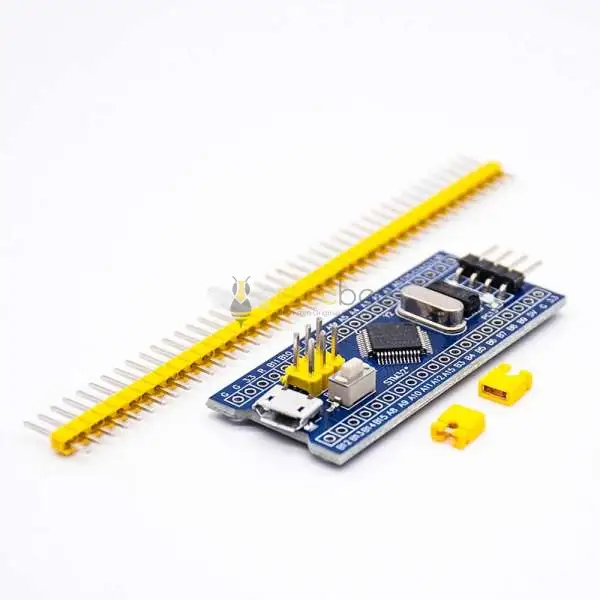
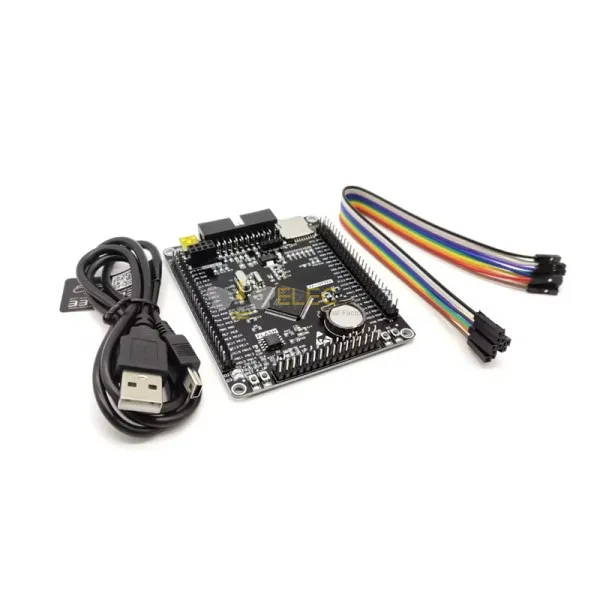
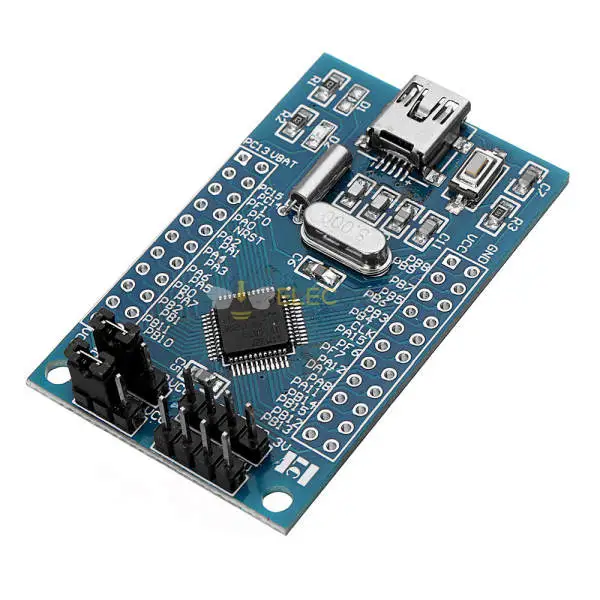
• STM32 is a family of 32-bit microcontrollers made by STMicroelectronics.
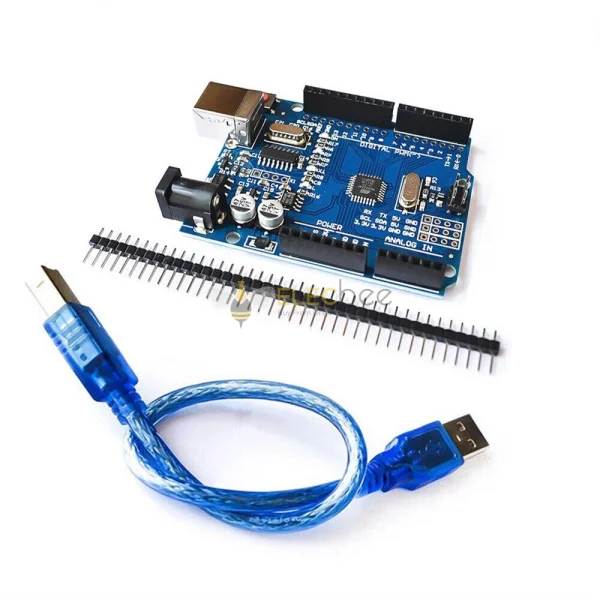
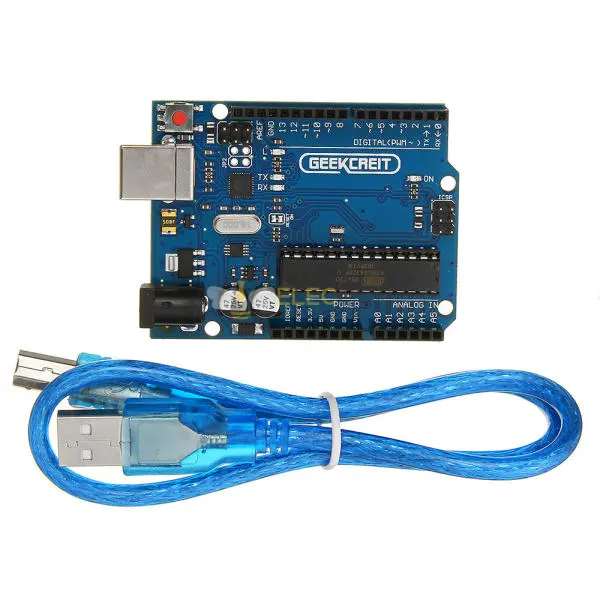
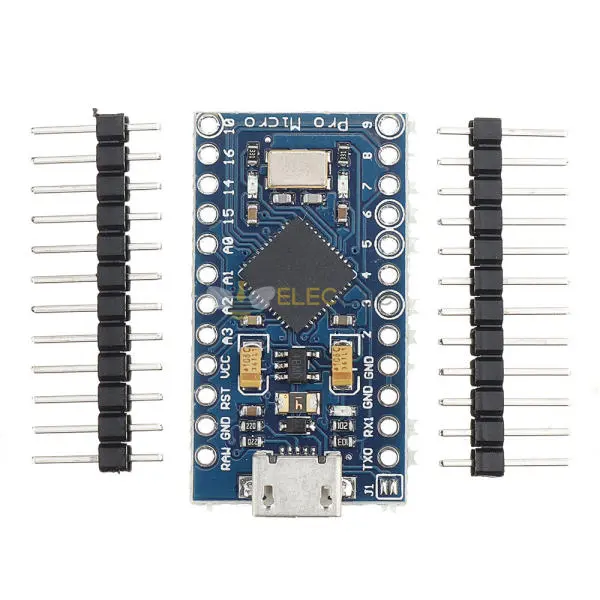
• Arduino is a development platform and ecosystem—an IDE, libraries, abstraction layers, and community—that can run on many MCUs, including AVR, STM32, and ESP32.
In other words, this is not just a hardware comparison. It’s a question of learning abstraction vs learning internals first.
2.Arduino Explained — What It Really Teaches You
Arduino’s biggest strength is not simplicity—it’s focus.
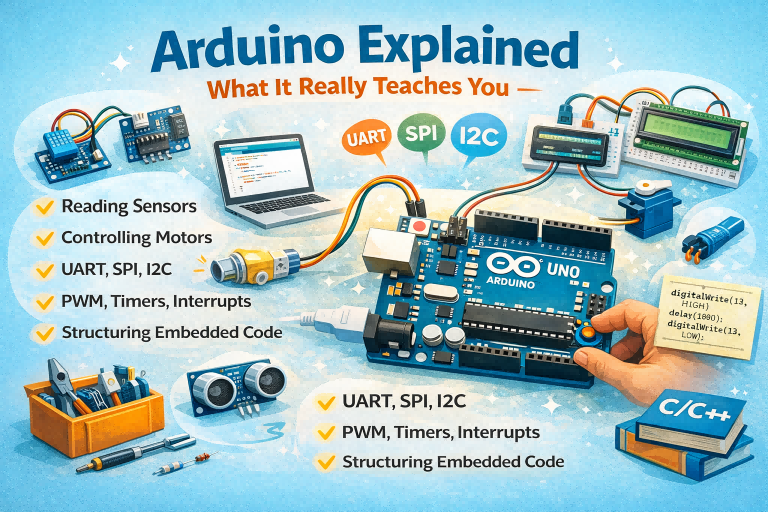
Arduino removes a massive amount of low-level setup so beginners can focus on what microcontrollers actually do:
• Reading sensors
• Controlling motors
• Using UART, SPI, I2C
• Understanding PWM, timers, interrupts
• Structuring embedded code
This is why so many users describe Arduino as the tool that made things “click.”
Instead of spending days configuring clocks and debugging why an ADC returns zero, Arduino lets you finish something that works. That success builds momentum.
And yes—Arduino is still C/C++. You are not learning a fake language.
3.STM32 Explained — Power, Complexity, and Reality
STM32 microcontrollers are powerful, flexible, and widely used in industry—but they come at a cost: complexity.
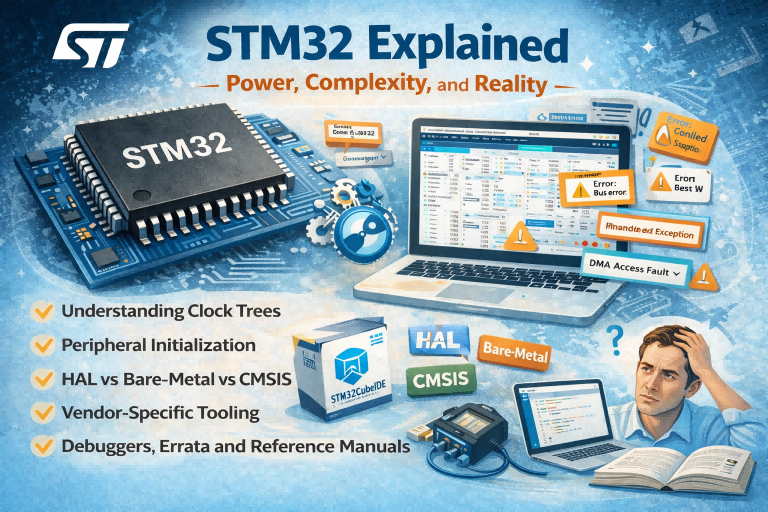
Beginners often underestimate what STM32 requires:
• Understanding clock trees
• Peripheral initialization
• HAL vs bare-metal vs CMSIS
• Vendor-specific tooling
• Debuggers, errata, and reference manuals
Even experienced engineers admit they spend more time getting STM32 peripherals to work than writing application logic.
STM32 is not hard because it’s bad—it’s hard because it exposes everything.
4.Arduino vs STM32 for Beginners — A Practical Comparison
|
Aspect |
Arduino |
STM32 |
|
Learning curve |
Gentle |
Steep |
|
Time to first project |
Hours |
Days or weeks |
|
Abstraction level |
High |
Low to medium |
|
Debugging complexity |
Low |
High |
|
Professional relevance |
Prototyping & testing |
Production & performance |
STM32 teaches how they work internally.
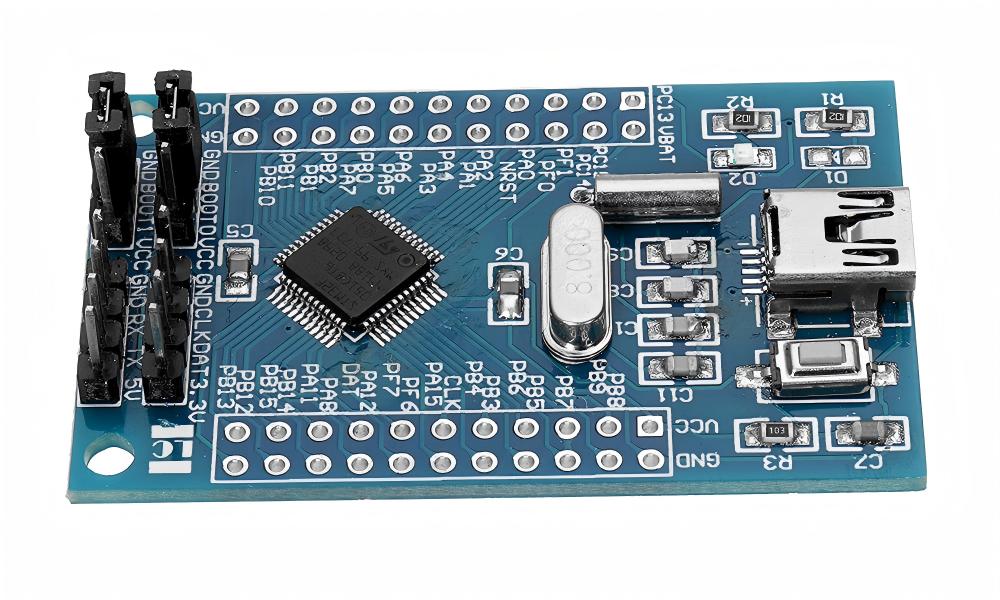
Both matter—but not at the same time.
5.Is Arduino Used Professionally? The Honest Answer
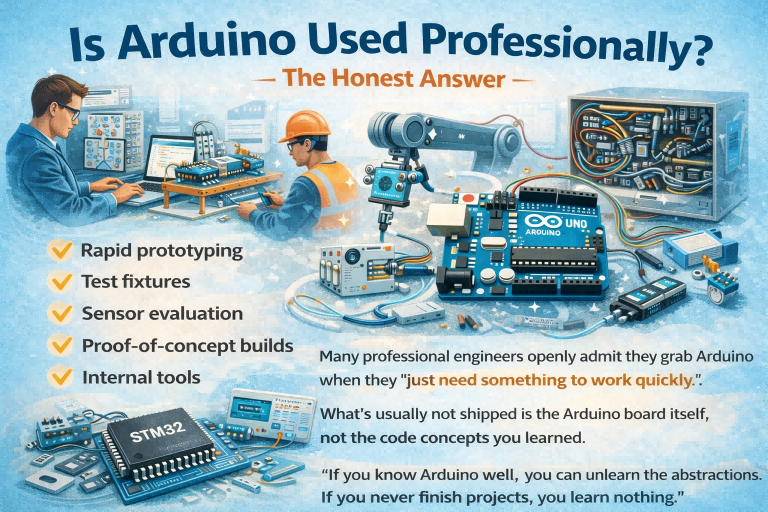
Arduino is widely used for:
• Rapid prototyping
• Test fixtures
• Sensor evaluation
• Proof-of-concept builds
• Internal tools
Many professional engineers openly admit they grab Arduino when they “just need something to work quickly.”
What’s usually not shipped is the Arduino board itself, not the code concepts you learned.
And here’s the key point engineers keep repeating: “If you know Arduino well, you can unlearn the abstractions. If you never finish projects, you learn nothing.”
6.A Smart Learning Roadmap (Arduino → STM32)
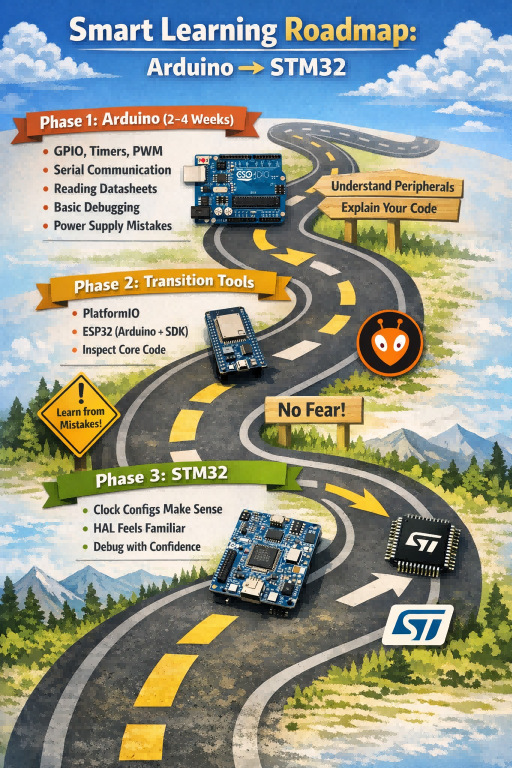
Phase 1: Arduino (2–4 weeks)
Focus on:
• GPIO, timers, PWM
• Serial communication
• Reading datasheets
• Basic debugging
• Power supply mistakes (yes, make them)
Stop when:
• You understand what peripherals do
• You can explain why code works
Phase 2: Transition Tools
• PlatformIO
• ESP32 (Arduino + native SDK)
• Inspect Arduino core code
Phase 3: STM32
Now STM32 stops being terrifying and starts being logical:
• Clock configuration makes sense
• HAL abstractions feel familiar
• Debugging becomes productive, not discouraging
7.Final Verdict — Which Should You Learn First?
• You’re new to embedded systems
• You want fast feedback and motivation
• You struggle when too many concepts hit at once
Start STM32 earlier if:
• You already understand peripherals deeply
• You enjoy low-level debugging
• You’re comfortable reading reference manuals daily
The truth?
Most professionals didn’t start “the hard way.”
They started somewhere that let them finish projects.
8.Bottom Line
The real mistake is quitting because you chose the wrong starting point.
Start where you can learn concepts, not fight tools.
STM32 will still be there—waiting, registers and all.