
Search for products...

 0
0Development boards provide ready-to-use hardware platforms for building embedded systems, IoT devices, automation equipment and electronic prototypes. By integrating a microcontroller or processor, memory, power management, communication interfaces and accessible I/O pins, they help engineers test hardware and software before moving to a custom PCB design.
Elecbee offers development platforms for different project requirements, including Arduino boards, ESP series boards, STM32 boards, Raspberry Pi boards and other microcontroller development boards.
The right development board depends on processing performance, connectivity, I/O interfaces, power consumption, physical size and software support. Instead of selecting a board only by its processor model, consider how it will be used in the final project.
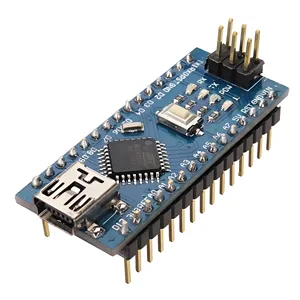
Arduino boards are suitable for basic electronics, sensor integration, motor control, robotics and educational prototyping. Their accessible programming environment and broad library support make them practical for both initial experiments and rapid proof-of-concept development. If you are comparing entry-level platforms, see our STM32 vs Arduino comparison.
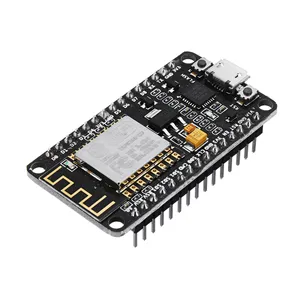
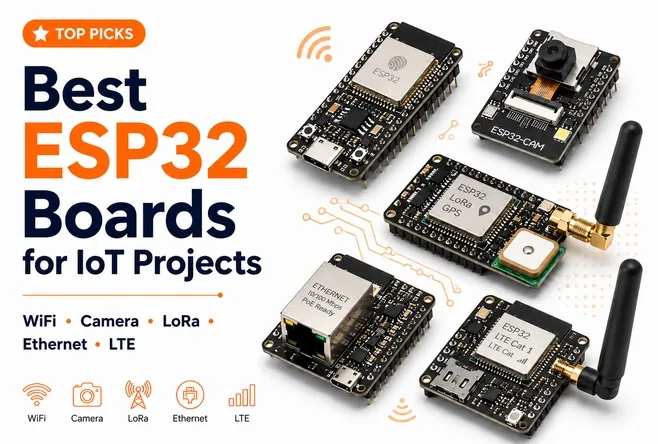
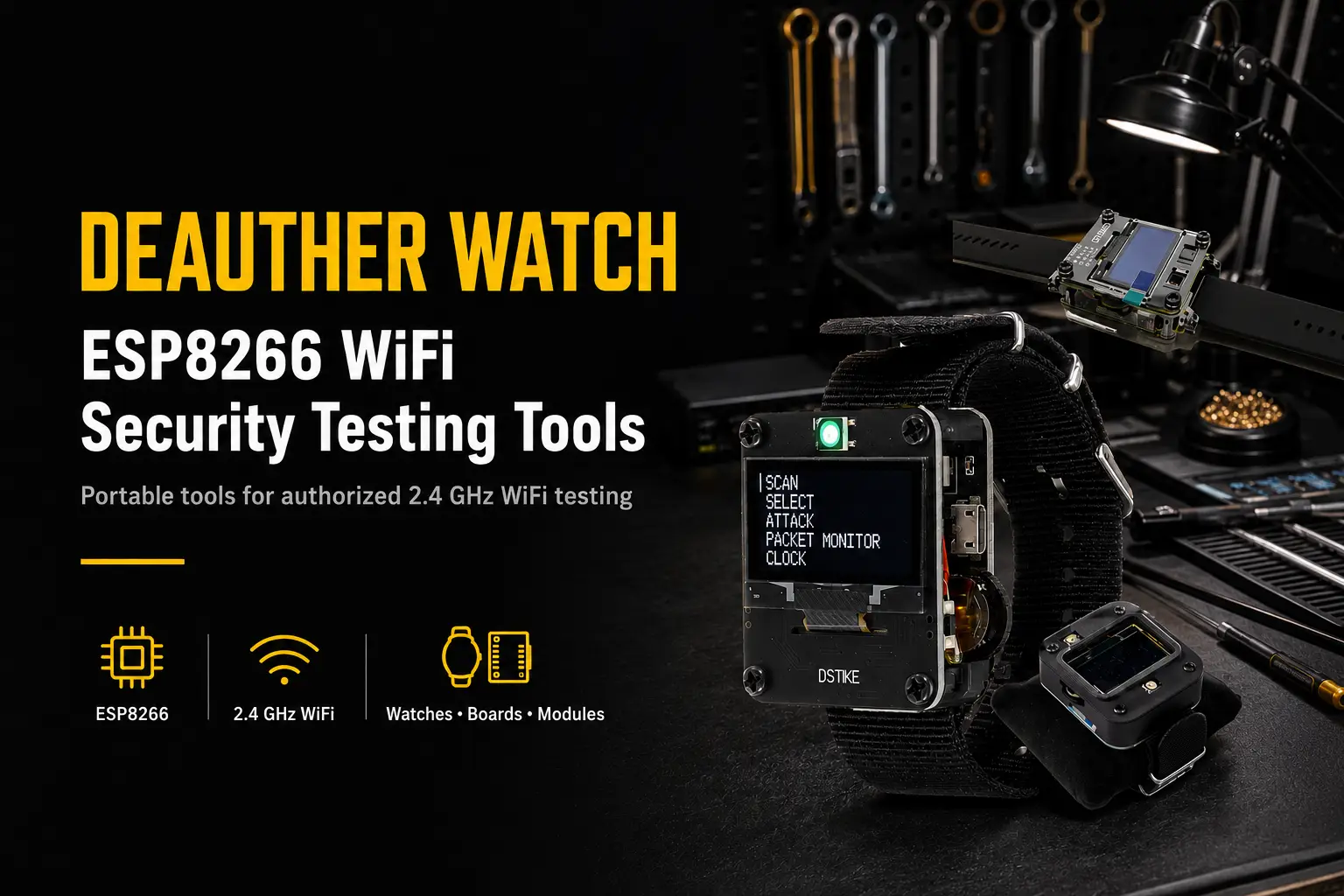
ESP32 and ESP8266 boards are designed for connected devices requiring WiFi, Bluetooth, cameras, LoRa, Ethernet or cellular communication. They are commonly used for wireless sensors, smart home devices, remote monitoring systems and IoT gateways. Use our ESP32 board selection guide to compare suitable boards by application.
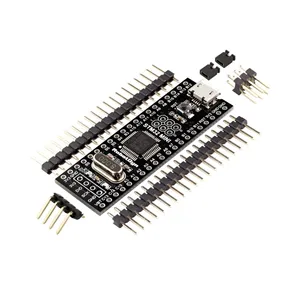
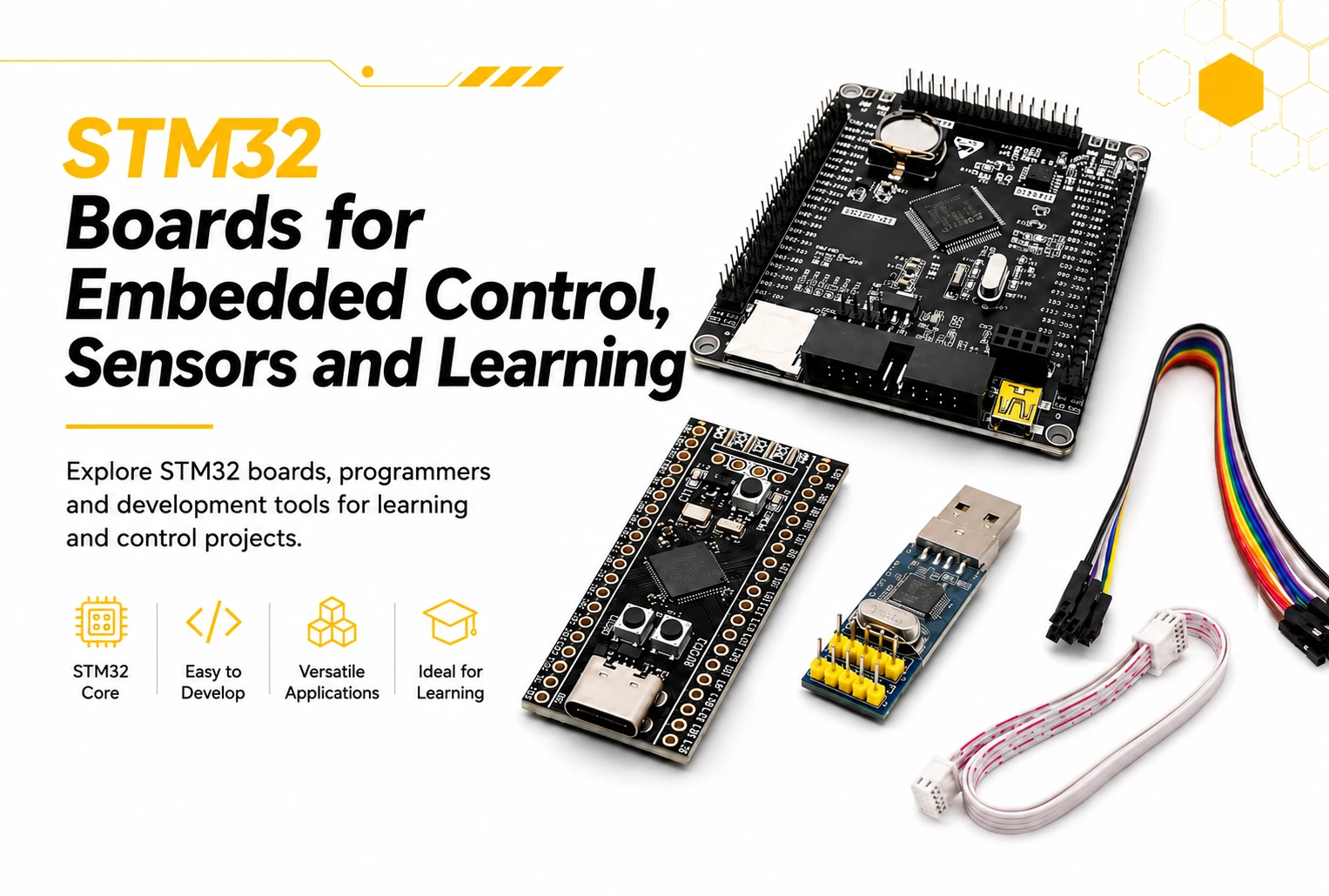
STM32 development boards are a strong choice for real-time control, industrial interfaces, motor control, analog sensing and low-power embedded systems. The STM32 vs ESP32 guide explains when control performance, peripheral resources and low-power operation may matter more than built-in wireless connectivity.
Raspberry Pi boards are better suited to Linux-based applications, networking, multimedia, gateways, edge computing and projects requiring greater memory or software resources. Read our ESP32 vs Raspberry Pi comparison to understand the differences between microcontroller development boards and single-board computers.
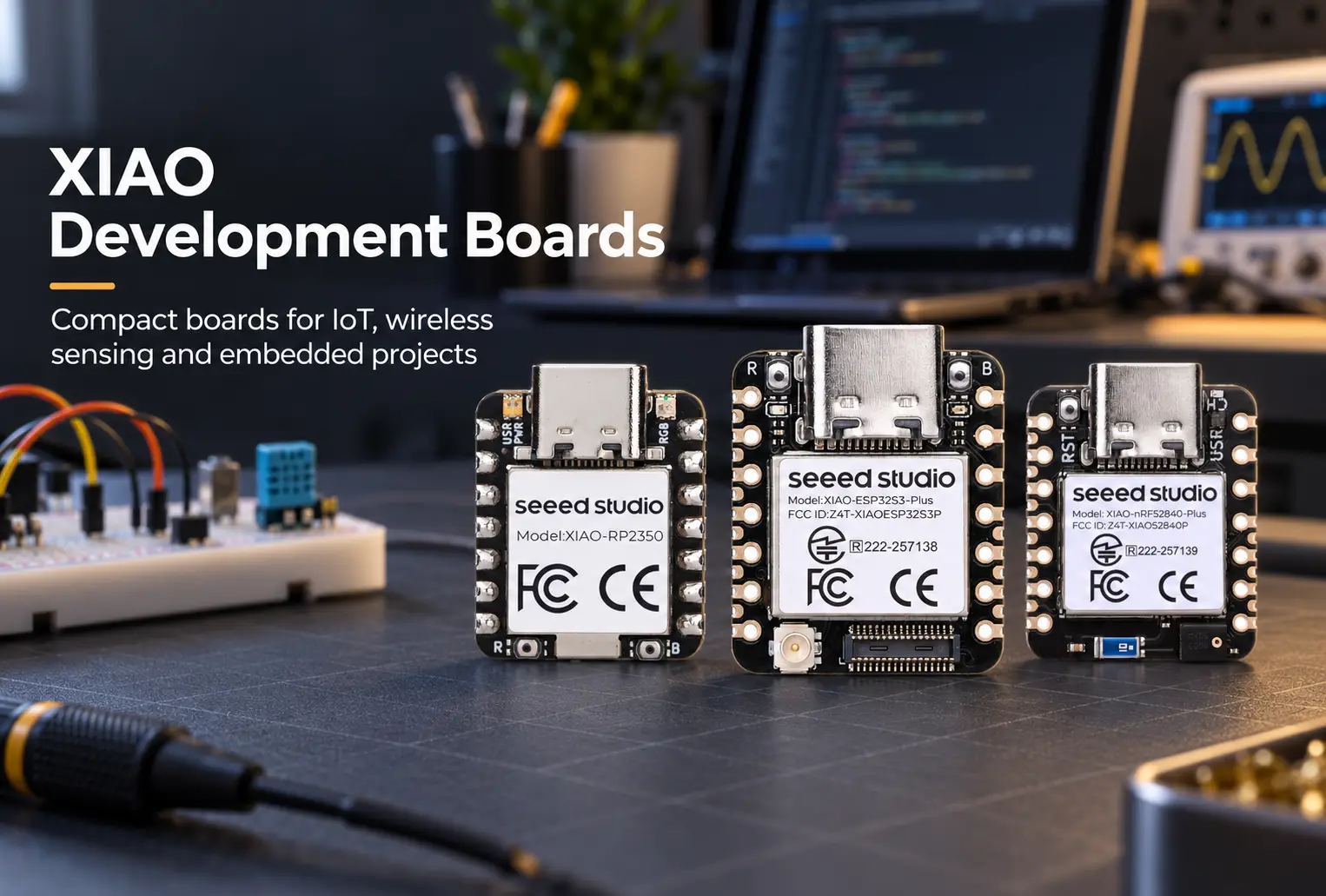
Compact XIAO-format development boards are useful for wearables, miniature sensor nodes, USB devices and space-constrained embedded products. Different models provide ESP32, RP2040, RP2350, nRF52840, RA4M1 and other processor options for wireless, low-power and general embedded applications.
For general WiFi sensors, smart switches and connected devices, an ESP32 DevKit is often an accessible starting point. Camera projects may require an ESP32-CAM or ESP32-S3 board, while compact products can benefit from XIAO-format boards. Applications involving precise timing, advanced peripherals or industrial control may be better suited to STM32 development boards.
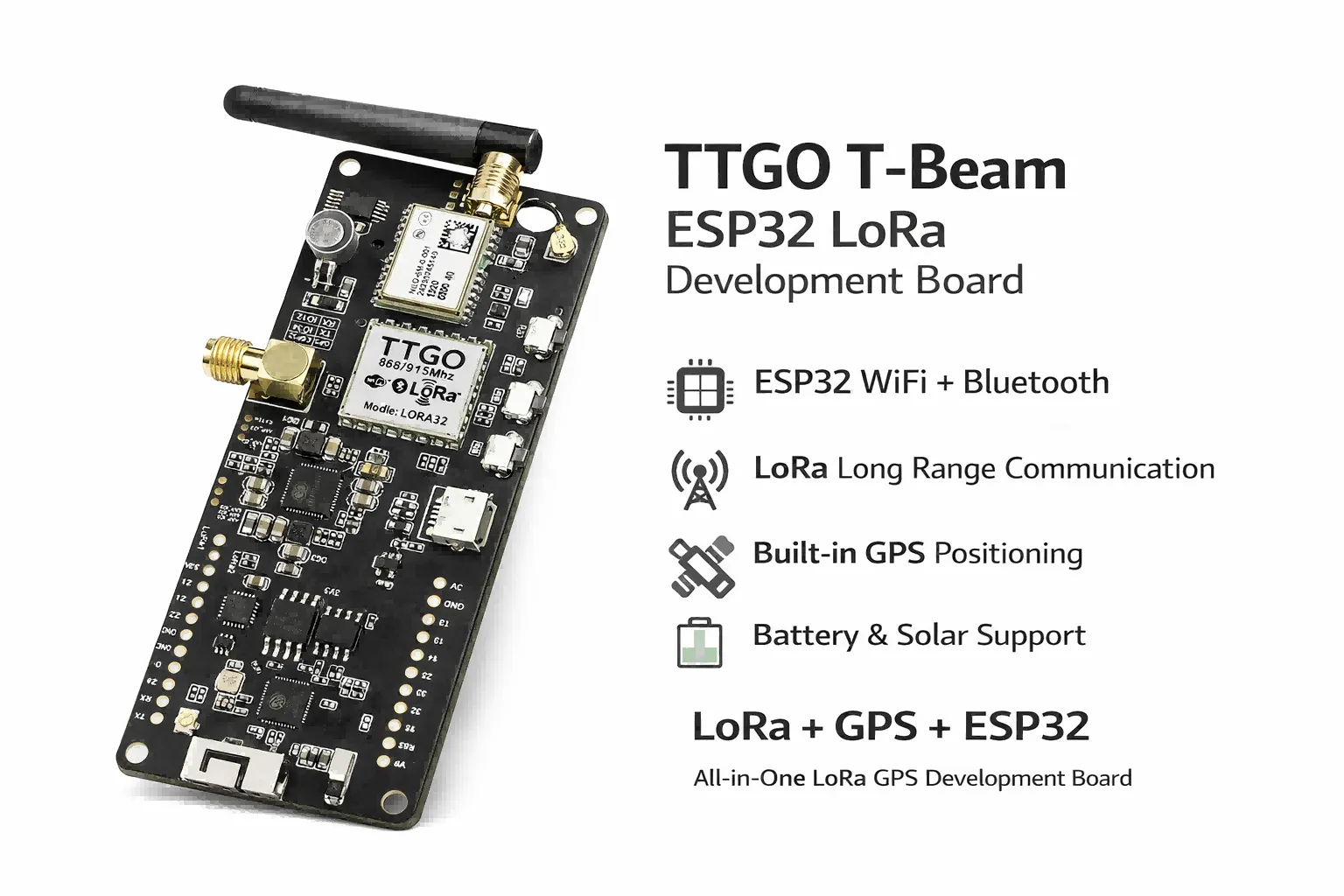
For remote monitoring, GPS tracking, environmental sensing and off-grid communication, consider an ESP32 board with integrated LoRa, GPS and battery management. Our TTGO T-Beam guide covers the advantages and limitations of this type of long-range IoT development board.
Development boards reduce early-stage hardware work by providing a tested platform for firmware development, interface verification and proof-of-concept testing. Whether you are building a wireless sensor, industrial controller, robot, GPS tracker, smart home device or edge-computing gateway, selecting the board around the actual application helps avoid unnecessary cost and redesign work.
Browse the development board categories and related project themes above to compare processors, interfaces, wireless capabilities and form factors for your next embedded project.