
 0
0
1.What Is a Fiber Optic Patch Cord?
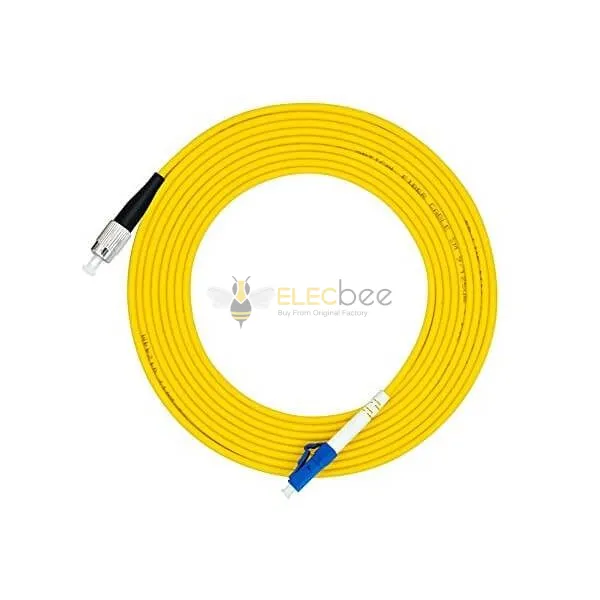
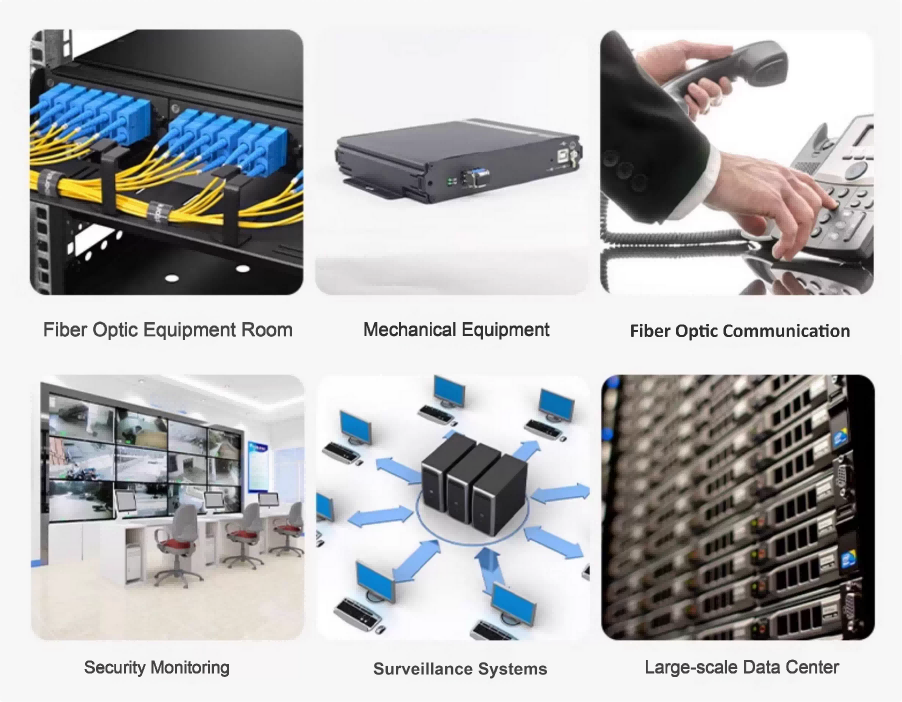
A fiber optic patch cord is a cable with connectors on both ends, used to connect optical transceivers, patch panels, switches, and telecommunication equipment. Unlike coaxial cables, fiber patch cords use glass cores to transmit light signals with extremely low attenuation, making them essential for modern data centers, FTTH networks, 5G systems, and industrial communication.
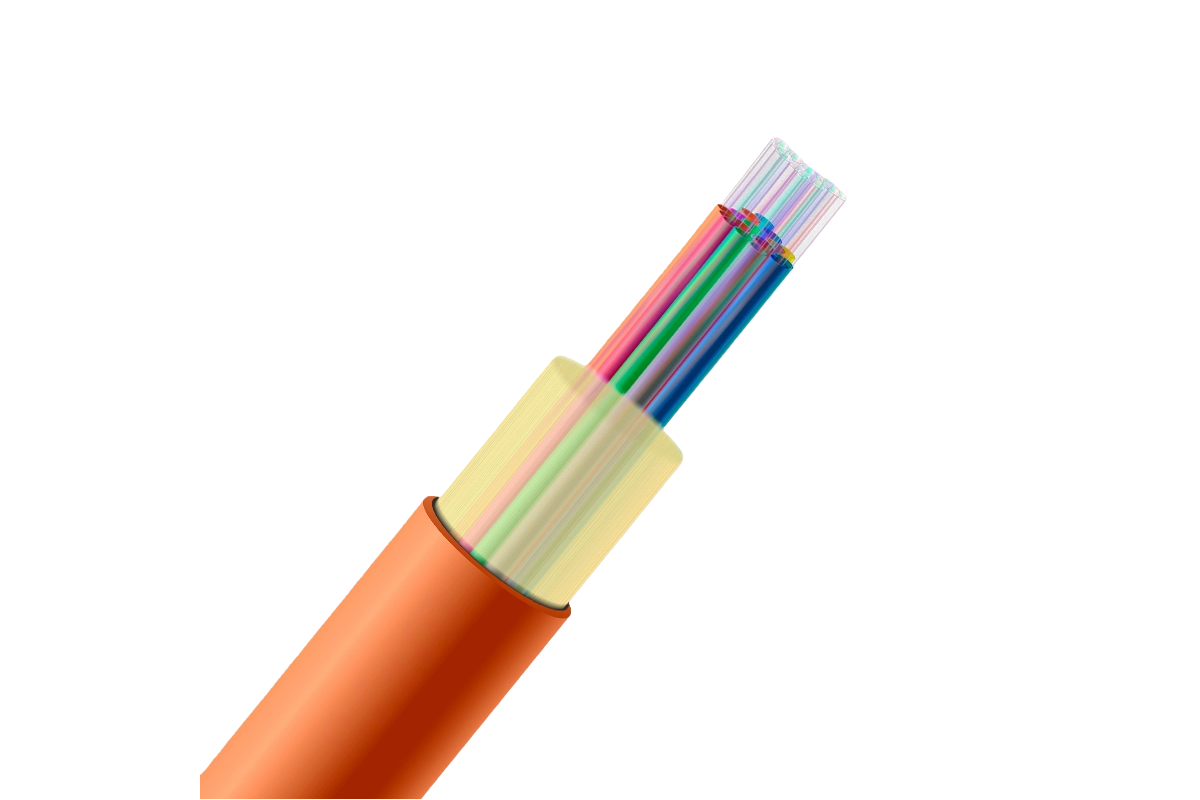
A fiber patch cord typically includes:
• Core (8–10 μm for single-mode, 50–62.5 μm for multimode)
• Cladding (lower refractive index to keep light inside)
• Protective jacket (PVC, LSZH, or ruggedized materials)
2.Main Fiber Optic Patch Cord Types
Fiber patch cords are categorized by fiber type, connector type, and application.
a. By Fiber Type
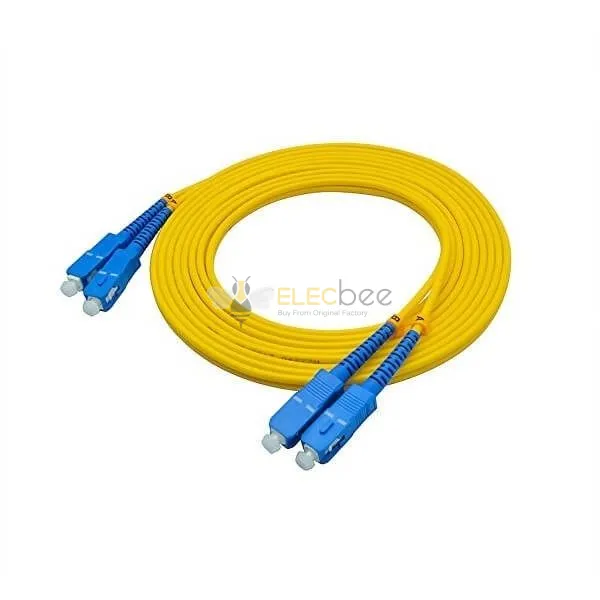
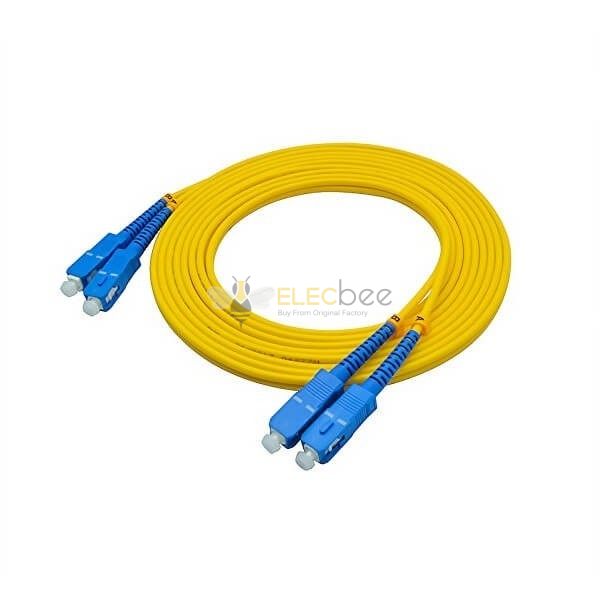
Single-Mode (SMF)
• Color: Yellow
• Core: 8–10 μm
• Distance: Up to 40 km or more
• Applications: Telecom, long-haul, backbone networks
• Connector color: Blue(UPC)or Green(APC)
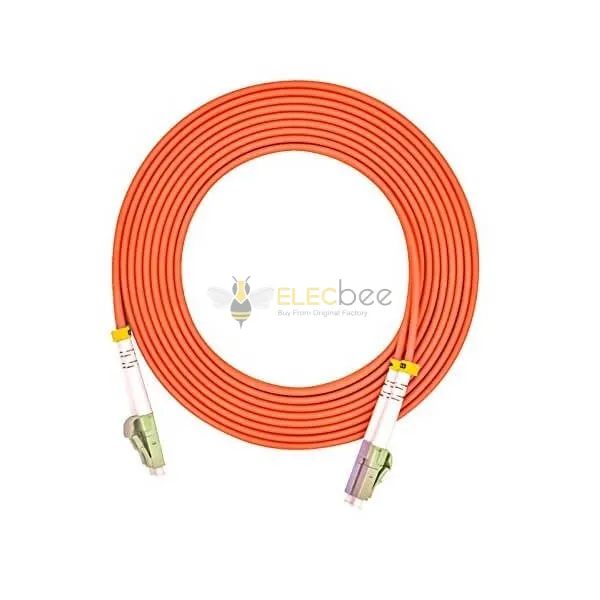
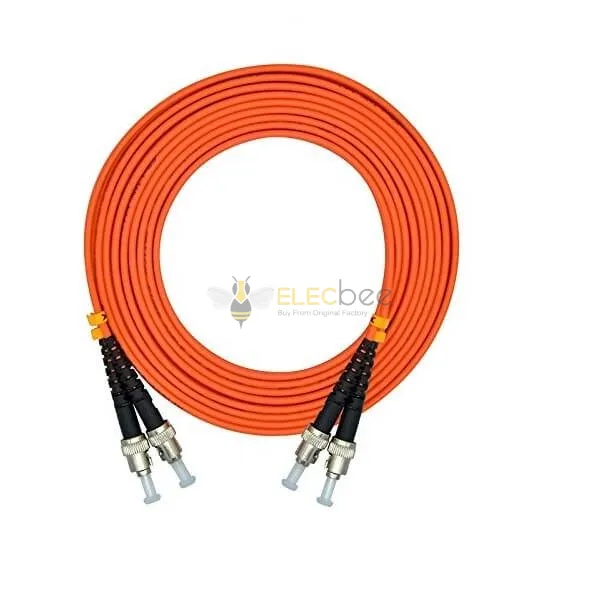
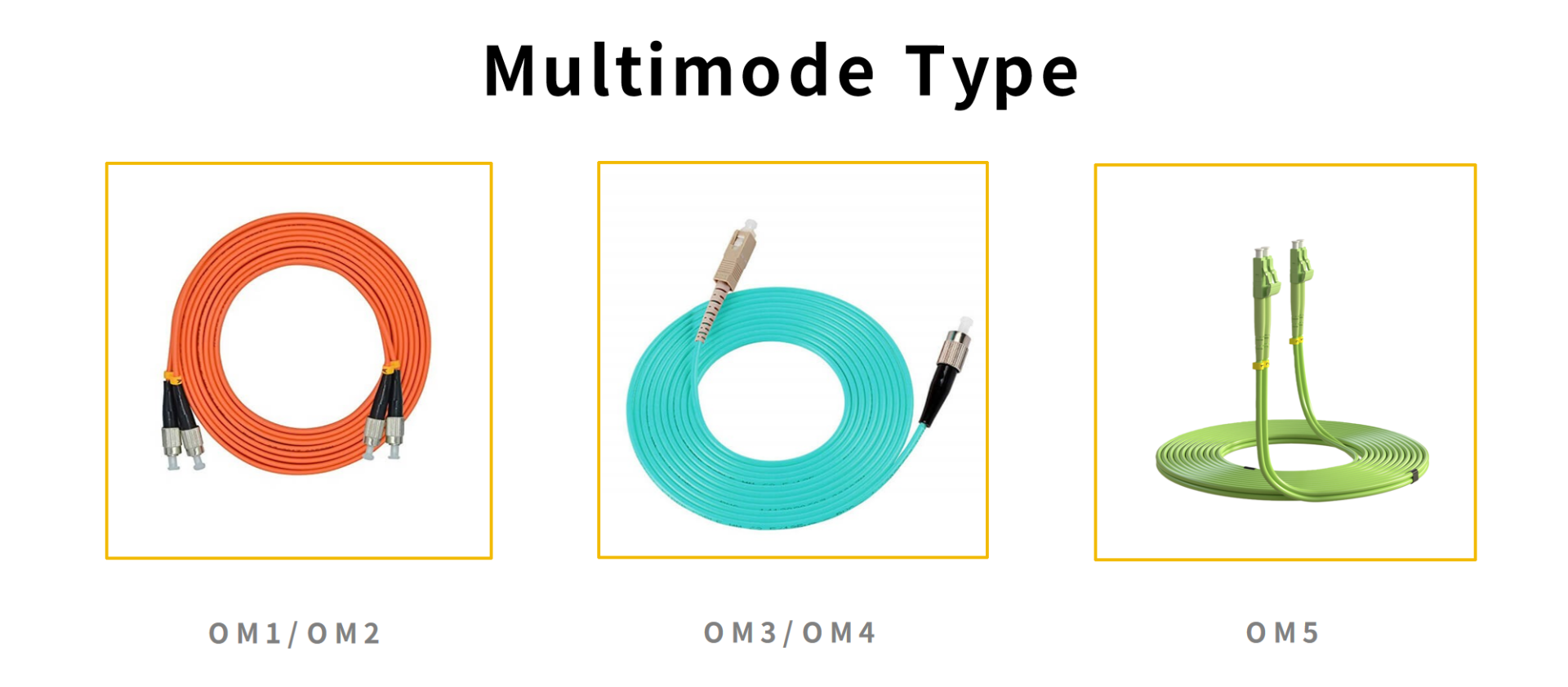
Multimode (MMF)
• Color: Orange(OM1/OM2), Aqua(OM3/OM4), Lime Green(OM5)
• Core: 50 μm / 62.5 μm
• Distance: Short-range, 1–550 m
• Applications: LAN, data centers, server rooms
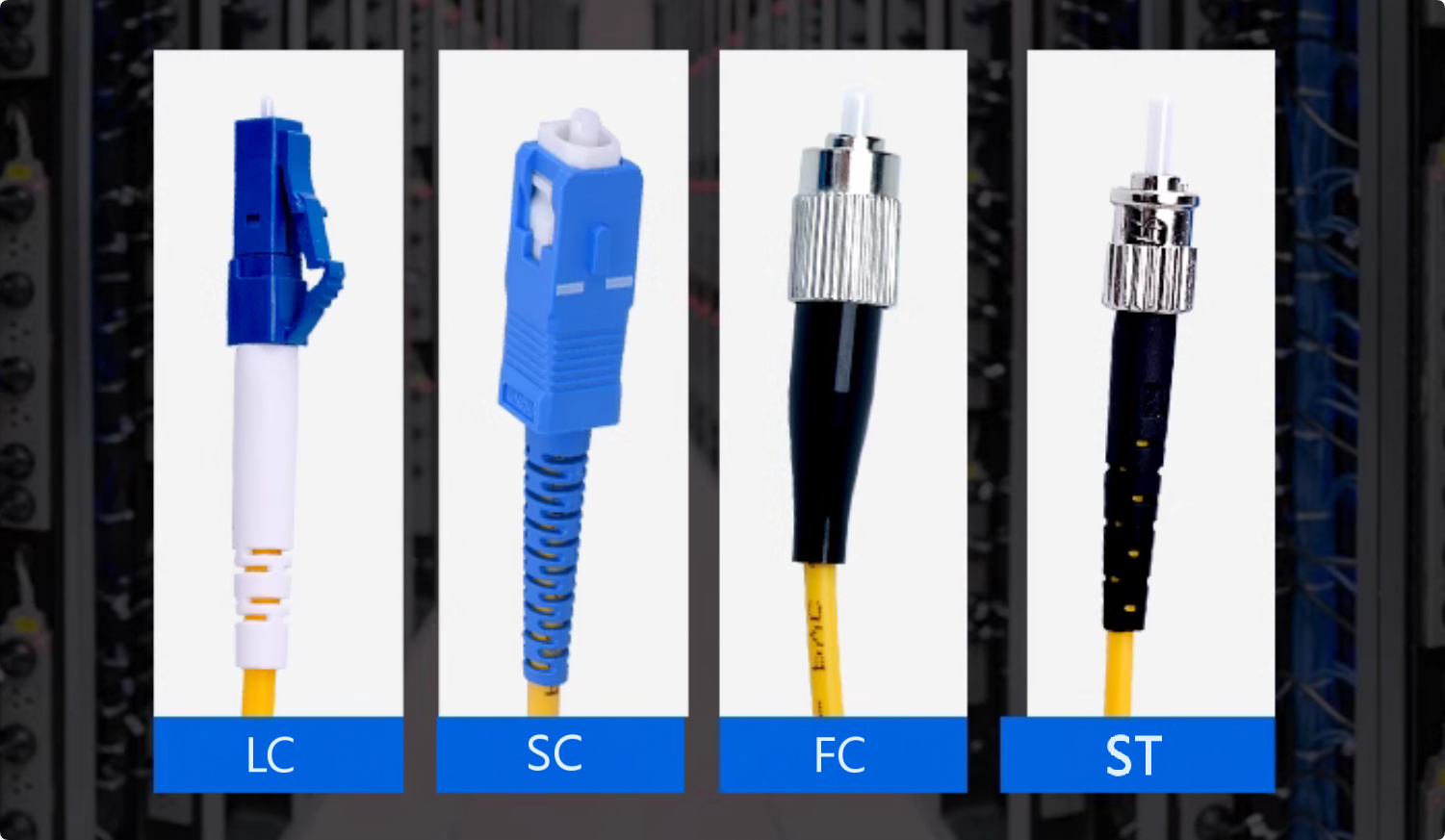
b. By Connector Type
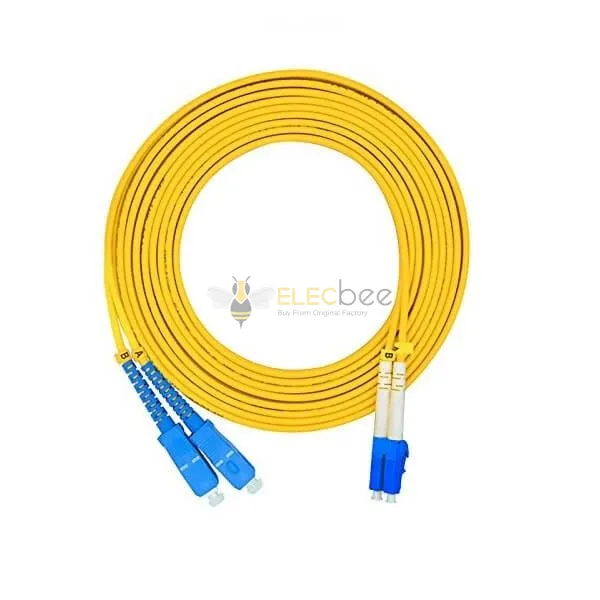
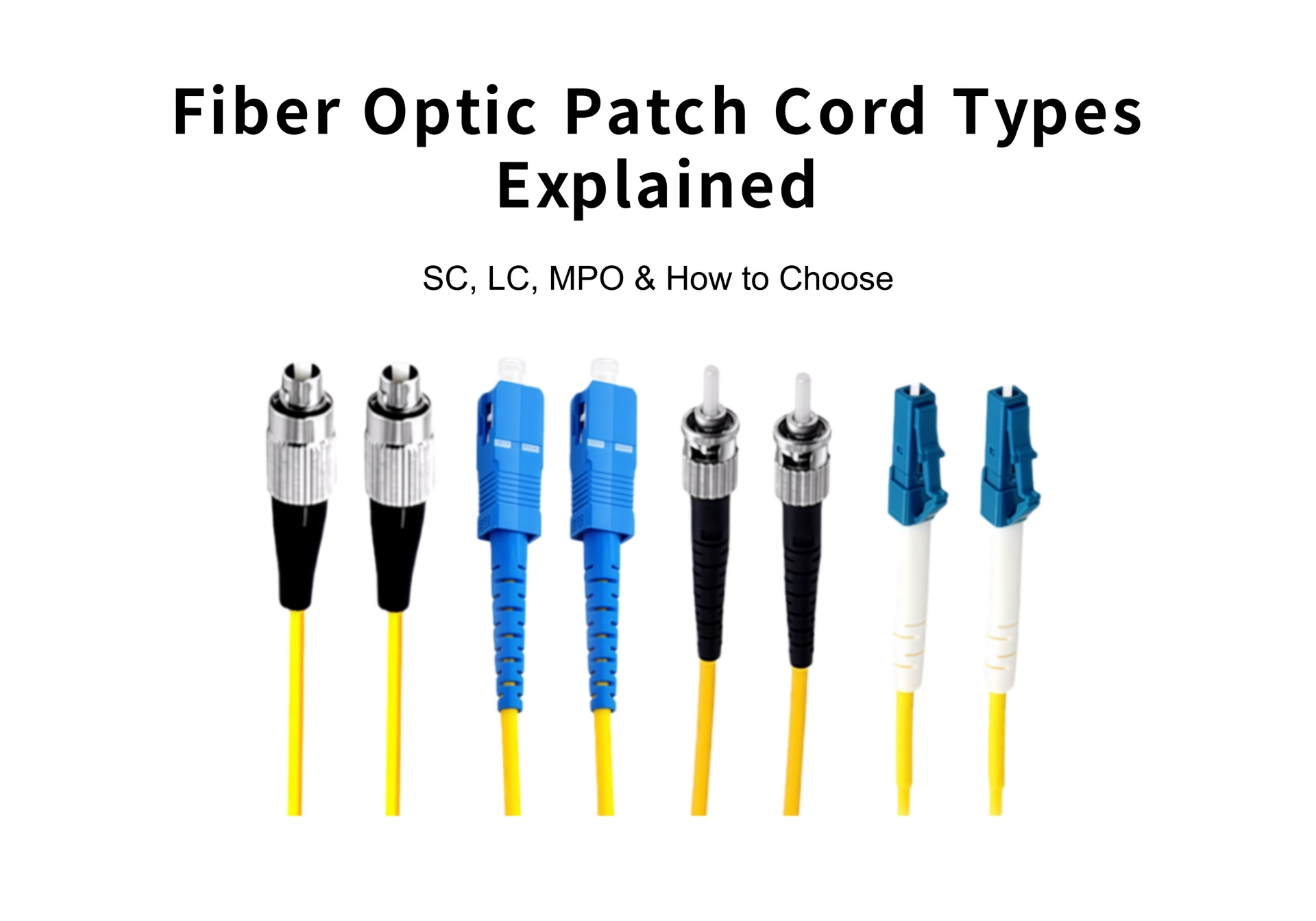
SC (Subscriber Connector)
• Push-pull design
• Common in FTTH and telecom systems
LC (Lucent Connector)
• Small form factor
• Best for high-density switches and data centers
• The most widely used connector in 2025
ST (Straight Tip)
• Twist-lock
• Used in legacy industrial networks
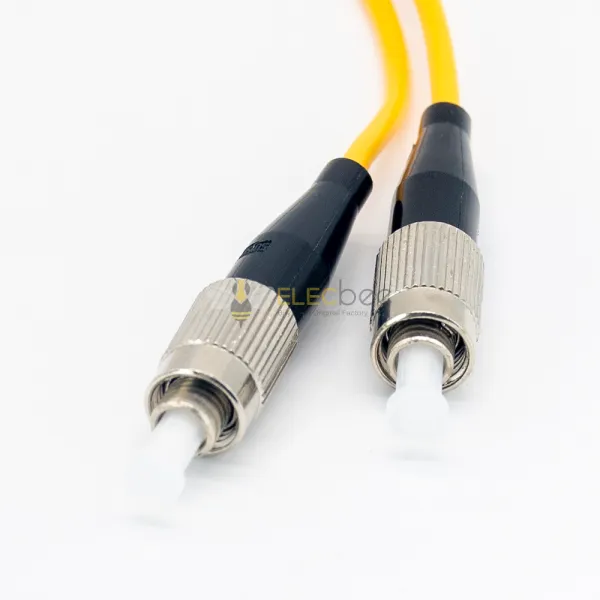
FC (Ferrule Connector)
• Screw-on
• Stable, vibration-resistant
MPO / MTP High-Density Connectors
• Multi-fiber connector (8/12/24/48 cores)
• Essential for 40G/100G/400G/800G data centers
• Supports parallel optics and backbone structured cabling
3.Single-Mode vs Multimode Fiber Patch Cables
|
Feature |
Single-Mode |
Multimode |
|
Core Size |
8–10 μm |
50/62.5 μm |
|
Distance |
Long distance |
Short distance |
|
Cost |
Higher |
Lower |
|
Color |
Yellow |
Orange / Aqua / Lime |
|
Use Case |
Telecom, long-haul |
LAN, data centers |
4.Connector Type Comparison: SC vs LC vs MPO
SC vs LC
|
Item |
SC |
LC |
|
Size |
Larger |
Half size |
|
Density |
Low |
High |
|
Typical Use |
FTTH, ODF |
Switches, SFP modules |
|
Pros |
Simple & robust |
High-density, modern standard |
LC vs MPO/MTP
|
Item |
LC |
MPO/MTP |
|
Fibers |
1-fiber |
8/12/24/48 fibers |
|
Application |
1G/10G |
40G/100G/400G/800G |
|
Best Use |
Access & distribution layers |
Core & backbone |
Trend 2025: Large-scale data centers are increasingly adopting MPO + LC hybrid architectures.
5.How to Choose the Right Fiber Patch Cord in 2025
a. Determine Fiber Type
• Long distance → Single-mode OS2
• Short distance → Multimode OM3/OM4/OM5
b. Select the Connector Type
• High-density switches → LC
• 40G/100G/400G backbones → MPO/MTP
• FTTH → SC/APC
c. Consider Bandwidth & Future Expansion
• Upgrade plans to 100G/200G → Choose OM4
• Future 400G/800G → Choose OM5 + MTP/MPO
d. Jacket and Environment
• Data center → LSZH
• Industrial → Armored or ruggedized jackets
6.Using Tips for Fiber Patch Cords
a. Ensure both ends match the same wavelength and connector type.
b. Avoid excessive bending; follow the minimum bend radius.
c. Always install dust caps to prevent contamination.
d. Clean connectors using fiber cleaning tools before use.
7.Frequently Asked Questions (FAQ)
Q1: What is the difference between UPC and APC connectors?
UPC is blue, APC is green. APC has an 8° angled end-face for lower return loss, recommended for FTTH and RF video.
Q2: Is LC better than SC?
LC is smaller and more suitable for modern high-density equipment.
Q3: MPO and MTP—are they the same?
MTP is an enhanced version of MPO with better performance and lower insertion loss.
8.Conclusion
Selecting the right fiber optic patch cord depends on distance, bandwidth, connector type, and future expansion needs. Whether you require SC, LC, or MPO/MTP cables, Elecbee provides high-quality fiber connectivity solutions for data centers, telecom, and industrial applications.