

 0
0
In modern wireless communication, GSM antennas play a crucial role in connecting mobile devices, IoT systems, and base stations. Although GSM technology was introduced decades ago, it remains widely used in global communication, machine-to-machine (M2M) networks, and IoT applications.

1.What Is a GSM Antenna and How It Works
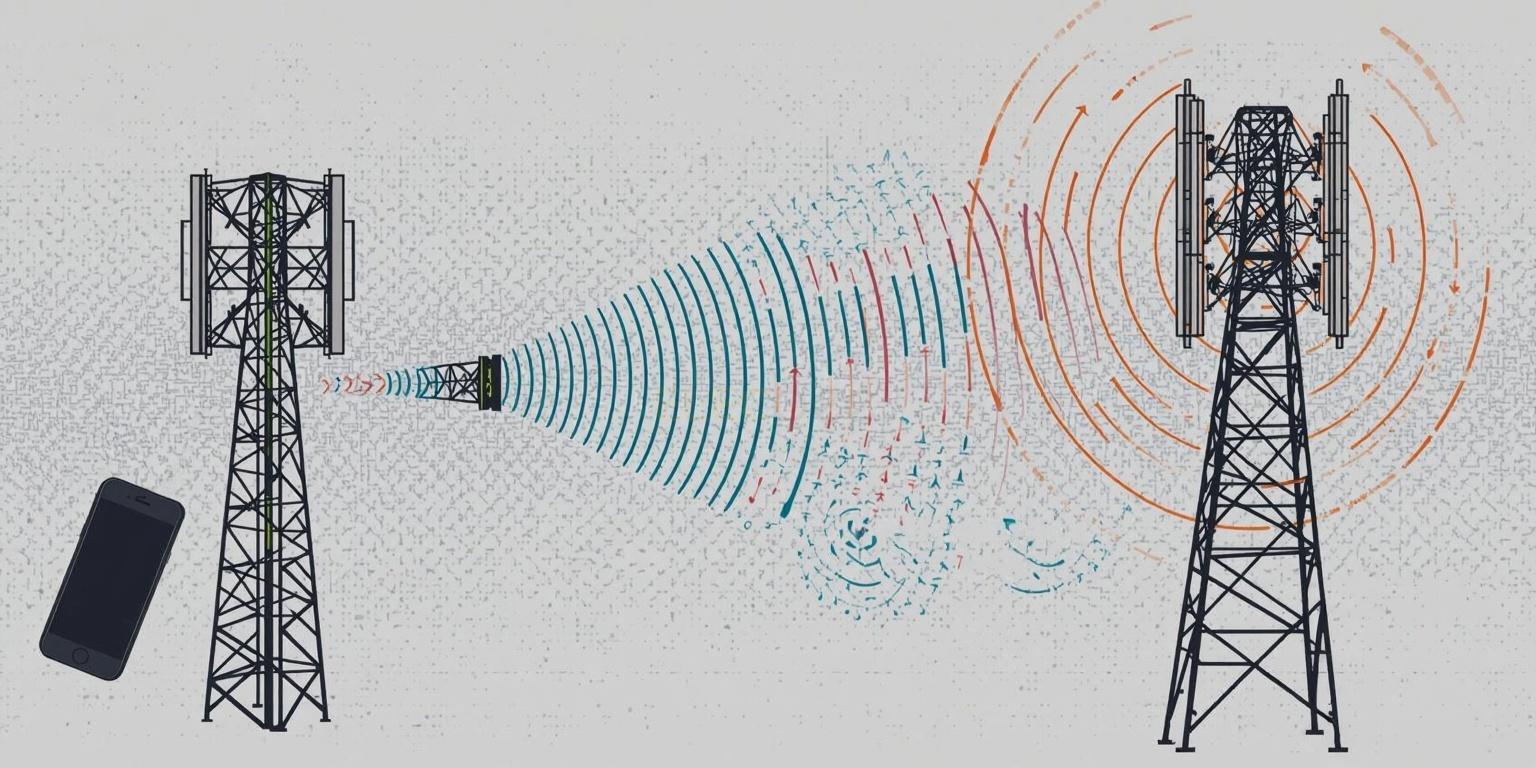
A GSM antenna is designed to transmit and receive signals within GSM frequency bands such as 850 MHz, 900 MHz, 1800 MHz, and 1900 MHz.
It enables communication between a mobile device and a nearby cell tower by converting electrical energy into electromagnetic waves and vice versa.
GSM (Global System for Mobile Communications) remains one of the most stable and globally supported communication systems. Even with the rise of 4G and 5G, many IoT devices, GPS trackers, and smart meters still rely on GSM for reliable data transmission.
2.Main Types of GSM Antennas
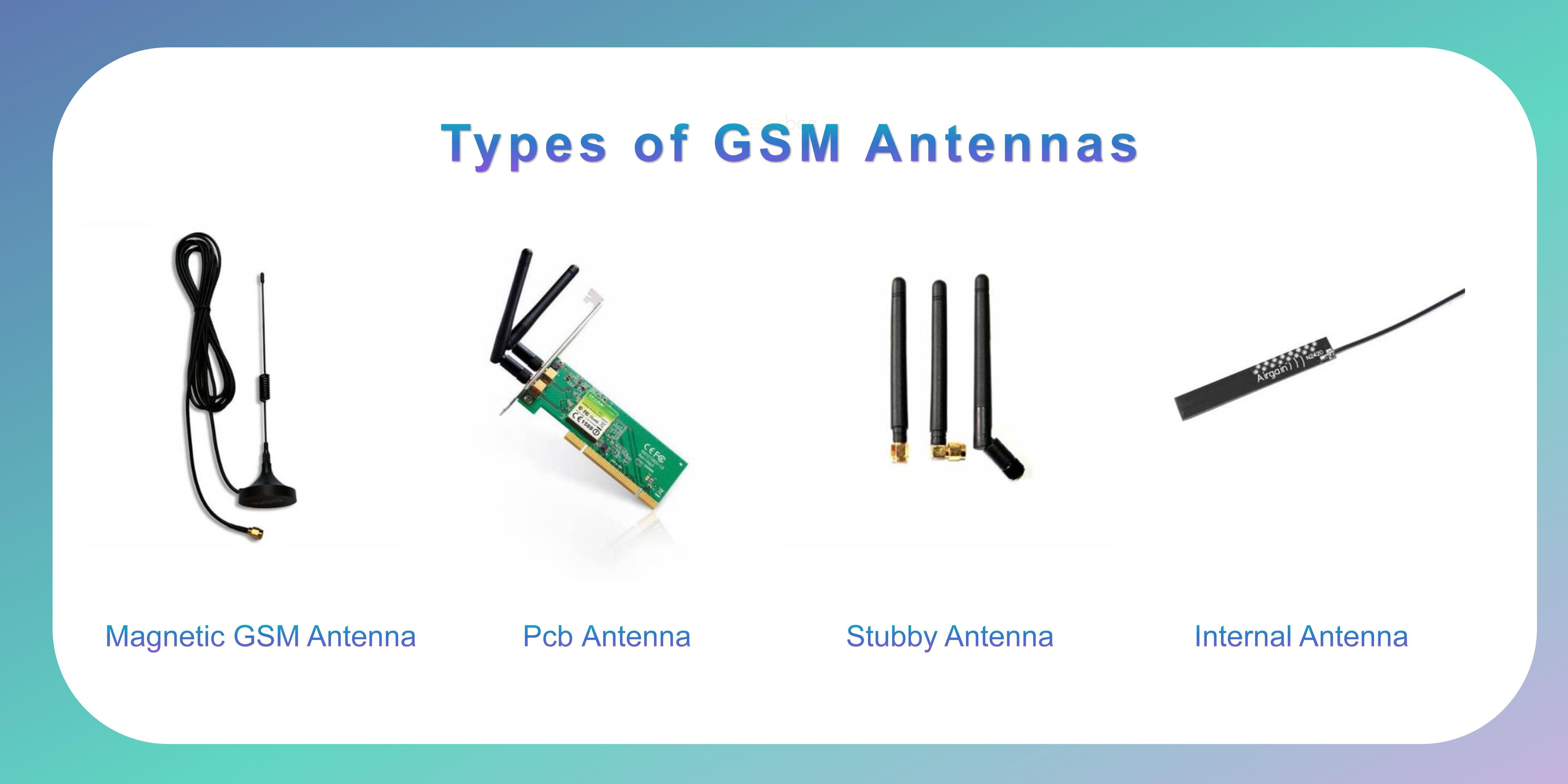
GSM antennas come in several forms depending on the application and installation environment:
2.1. Internal GSM Antennas — Built inside mobile phones or modules for compact design and aesthetic appearance.
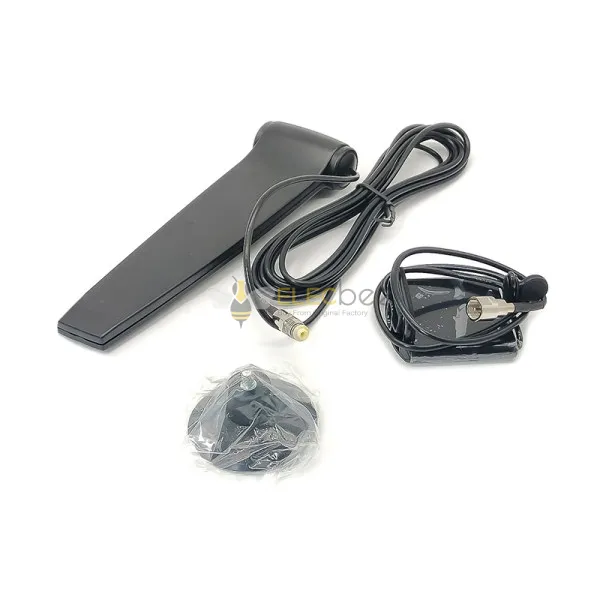
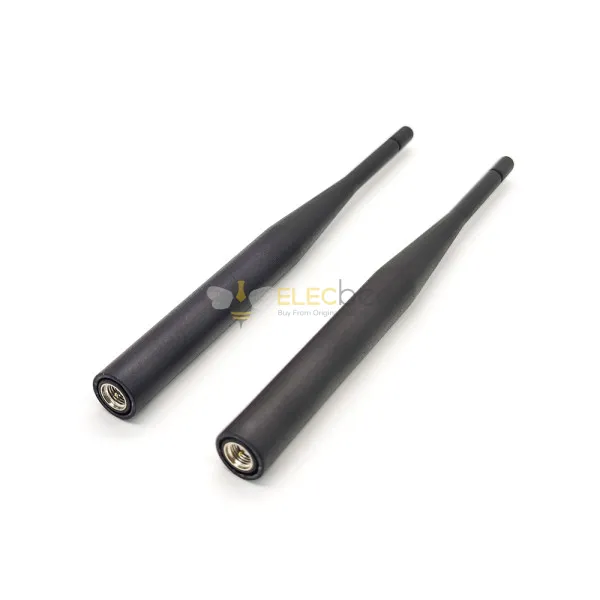
2.2. External GSM Antennas — Used in routers, GPS trackers, or modems to extend signal coverage.
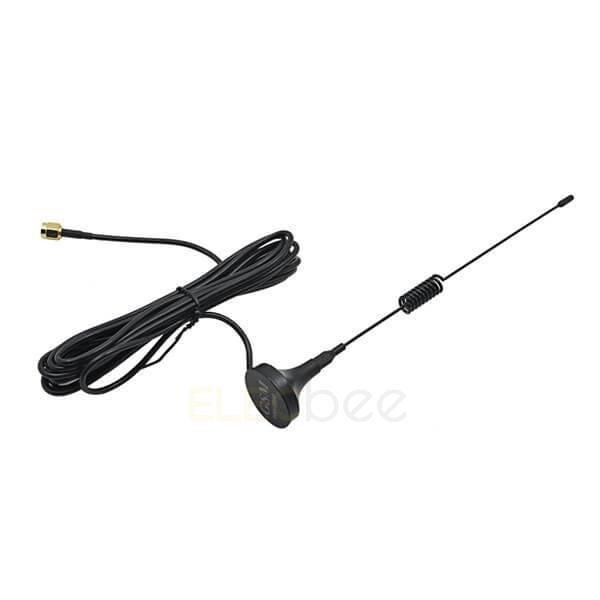
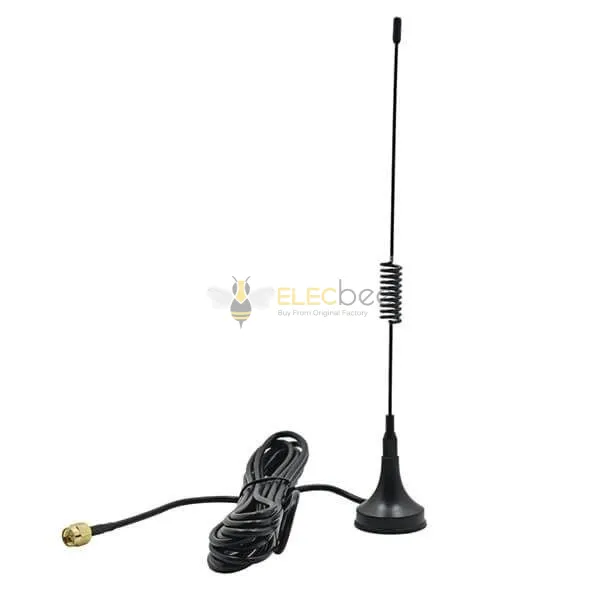
2.3. Magnetic Mount GSM Antennas — Common for vehicles or field devices requiring flexible installation.
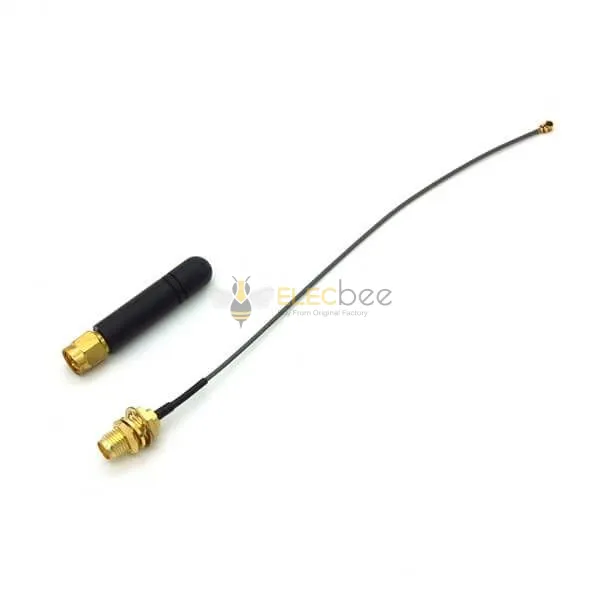
2.4. Stubby and PCB GSM Antennas — Compact, efficient, and ideal for IoT or embedded systems.
3.GSM Antenna Specifications and Performance Factors
Here are the common specifications for GSM antennas:
|
Parameter |
Typical Range |
|
Frequency Range |
850/900/1800/1900 MHz |
|
Bandwidth |
90–280 MHz |
|
VSWR |
≤1.6 |
|
Gain |
2.0–3.5 dBi |
|
Input Impedance |
50 Ω |
|
Polarization |
Vertical |
|
Connector Type |
SMA, SMB, TNC, MCX, MMCX, U.FL |
Performance Tips:
• Higher gain offers stronger signal reception over longer distances.
• VSWR ≤1.6 ensures efficient power transmission.
• Cable length and type should match installation requirements to minimize signal loss.
4.Applications of GSM Antennas in 2025
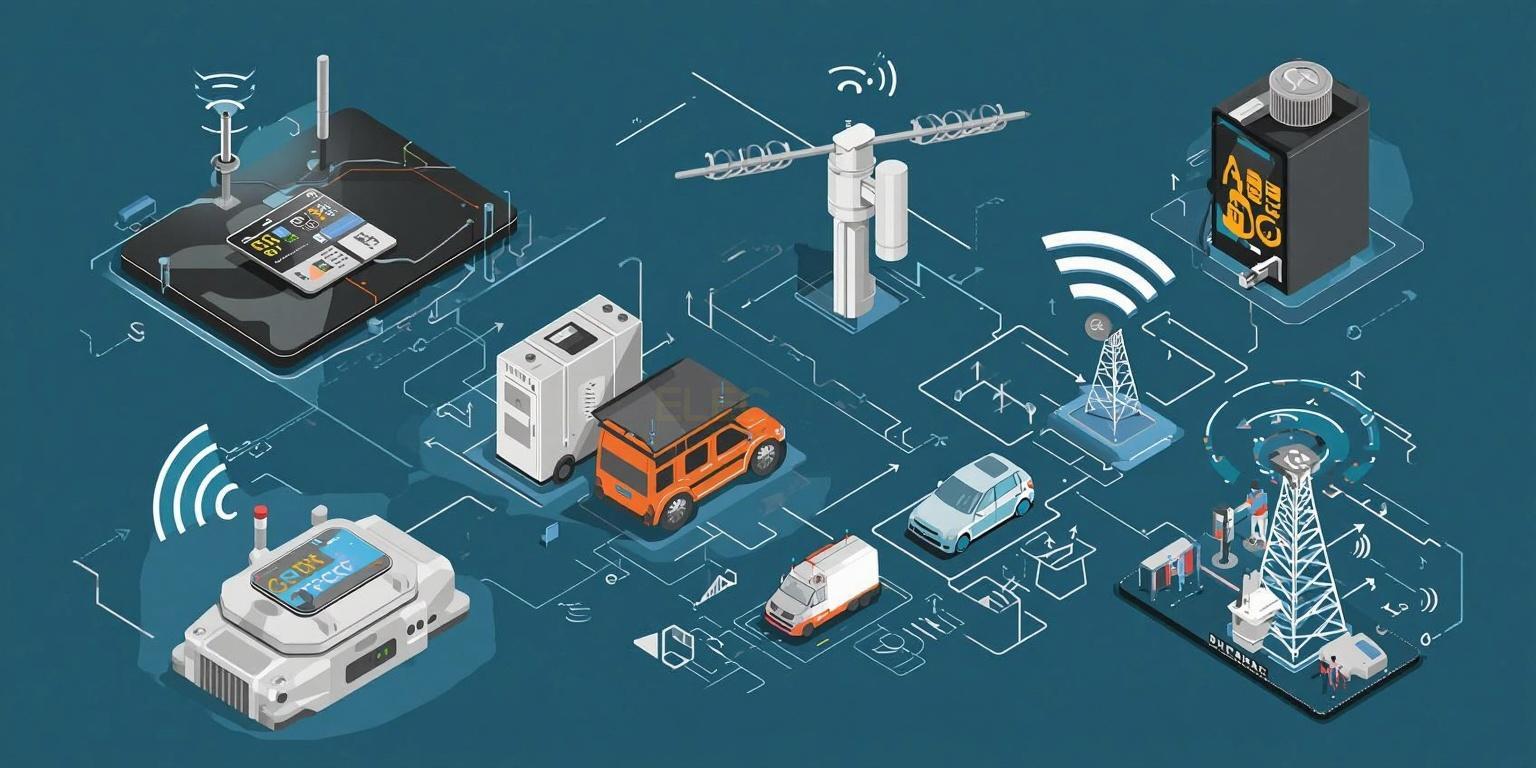
Today, GSM antennas serve not only in mobile communication but also in industrial and smart applications, including:
• Smart meters and remote monitoring systems
• Vehicle tracking and fleet management
• IoT gateways and routers
• Home automation systems
• Emergency communication devices
Even with LTE and 5G technologies advancing, GSM antennas remain popular for low-cost, low-power IoT devices that require reliable coverage in rural or developing areas.
5.How to Choose the Right GSM Antenna for Your Device
When selecting a GSM antenna, consider the following factors:
5.1. Frequency compatibility – Ensure it supports your region’s GSM bands.
5.2. Gain requirements – Higher gain improves range but may affect signal directionality.
5.3. Connector type – Match the connector with your device (SMA, MMCX, U.FL, etc.).
5.4. Installation type – Choose between magnetic mount, adhesive, or embedded options.
5.5. Environment – Ensure durability under extreme temperatures and humidity.
For example, Elecbee provides customizable magnetic GSM antennas and stubby GSM antennas with multiple connector options to fit your specific project needs.
6.FAQ: Common Questions About GSM Antennas
Q1: Can GSM antennas work with 4G or LTE devices?
A: Some multi-band antennas support GSM, 3G, and 4G simultaneously, but always check the frequency range before use.
Q2: What is the typical range of a GSM antenna?
A: Depending on the gain and environment, GSM antennas can reach several kilometers in open areas.
Q3: Are GSM antennas still relevant in 2025?
A: Yes. GSM networks are still operational in many countries, and thousands of IoT devices continue to use GSM-based communication.
7.Conclusion
GSM antennas continue to be an essential part of wireless communication, from mobile networks to IoT connectivity. Whether for a smartphone, GPS tracker, or industrial sensor, choosing the right GSM antenna ensures stable performance, wide coverage, and efficient data transmission.
Explore Elecbee’s wide range of GSM and GPRS antennas for your next project, and find high-quality RF connectors and adapters for seamless integration.