

1.Overview of SMA Connector and 3.5mm Connector
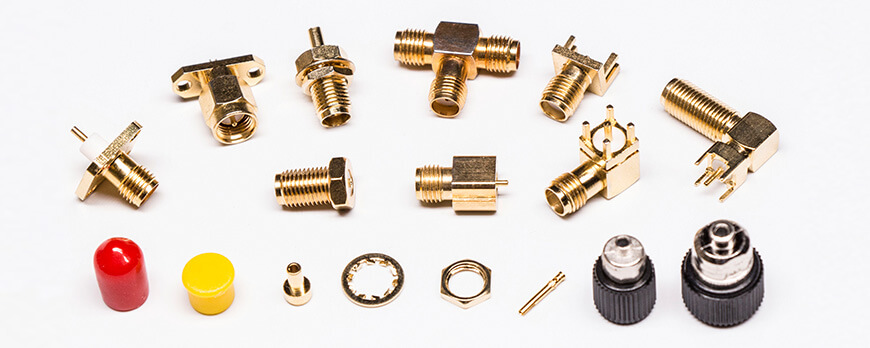
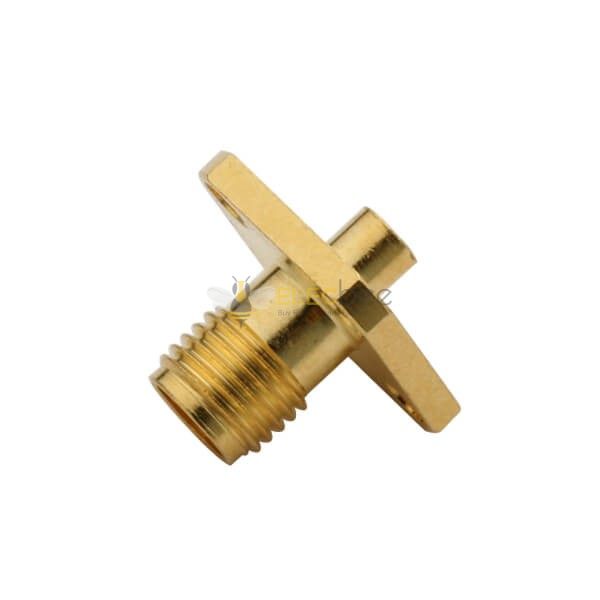
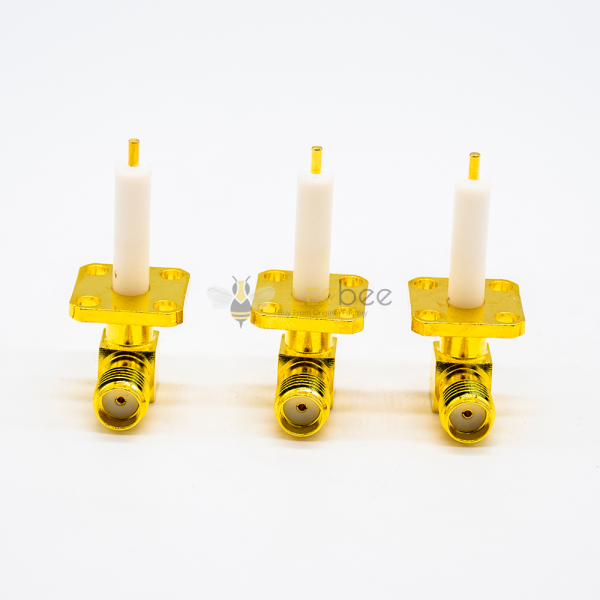
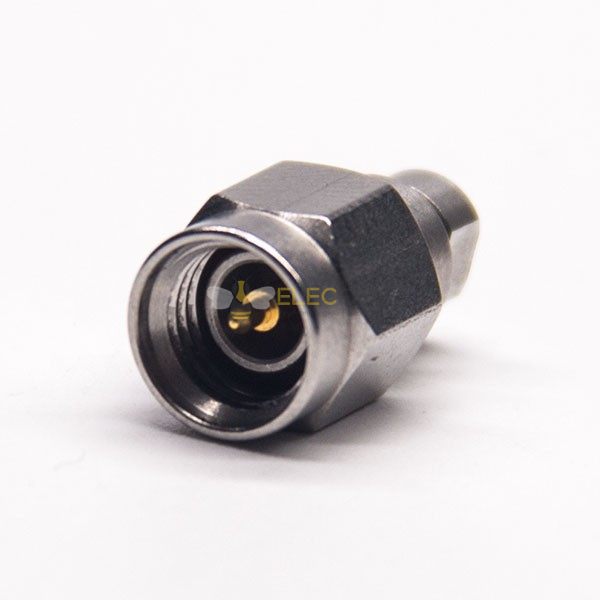
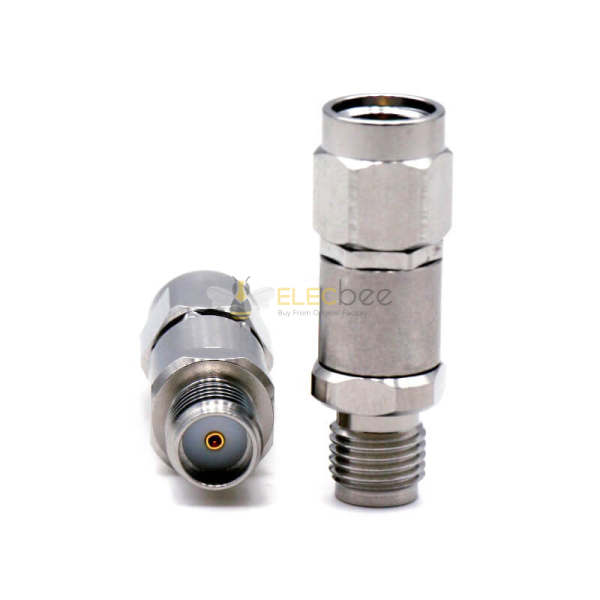
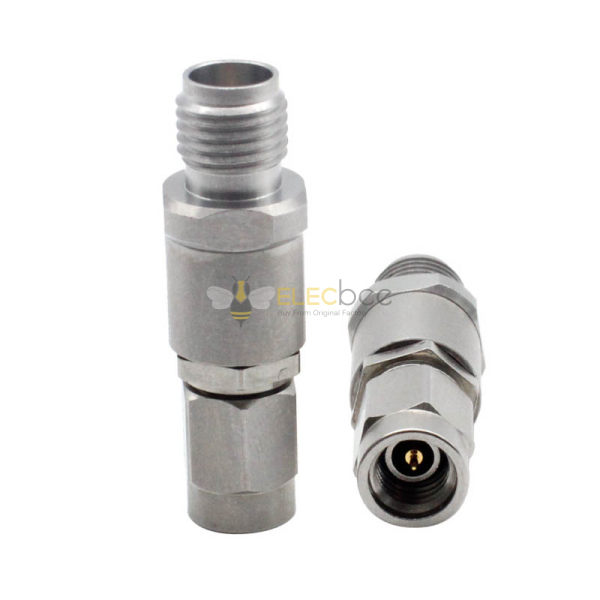
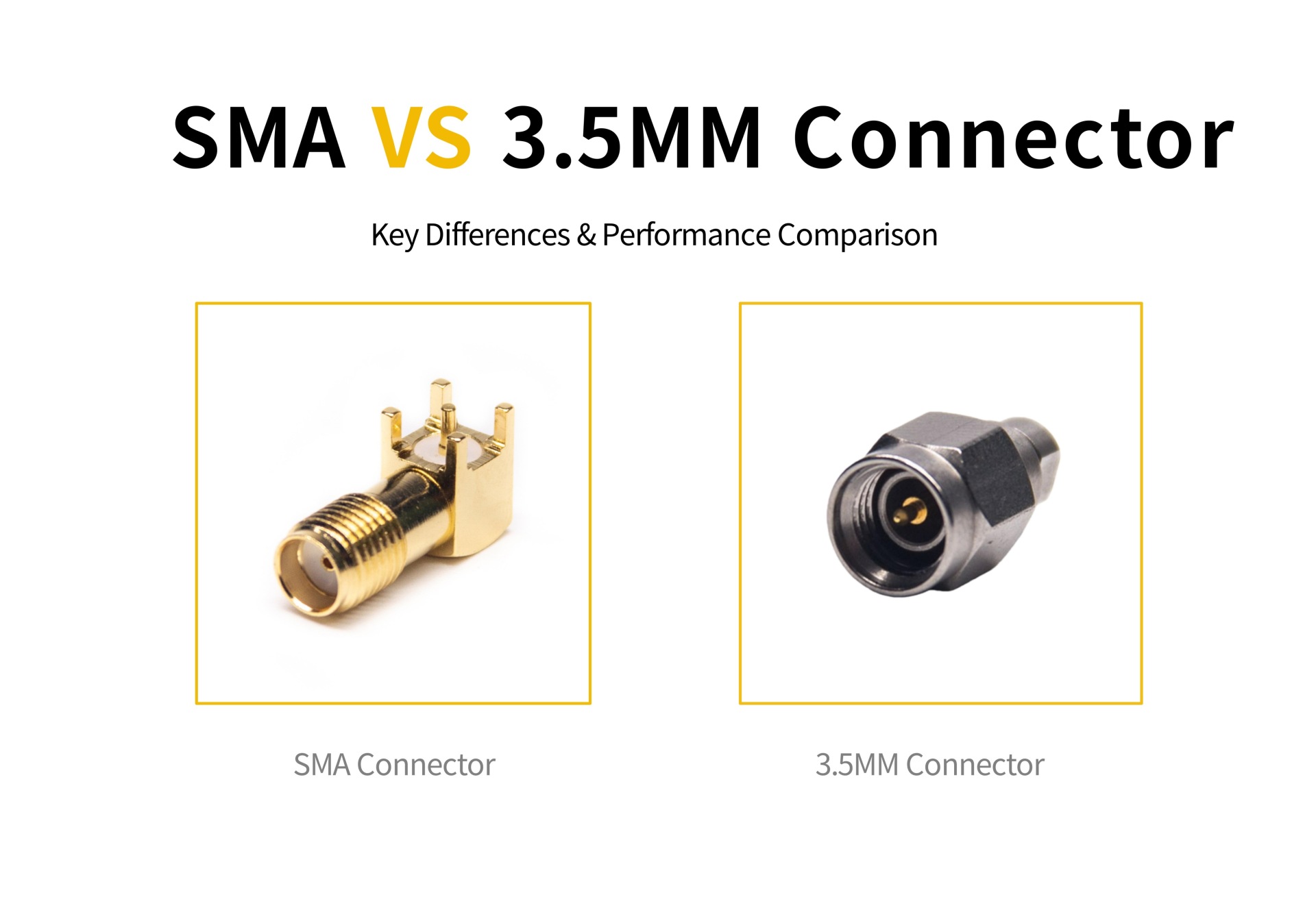
SMA and 3.5mm connectors are widely used RF coaxial interfaces designed for high-frequency applications. The SMA connector is a 50-ohm interface originally rated to 18 GHz, while some high-performance versions can operate up to 24–26.5 GHz. The 3.5mm connector extends this frequency range and offers improved mechanical precision and signal repeatability, while the 2.92mm connector supports even higher frequencies for ultra-high-performance applications.
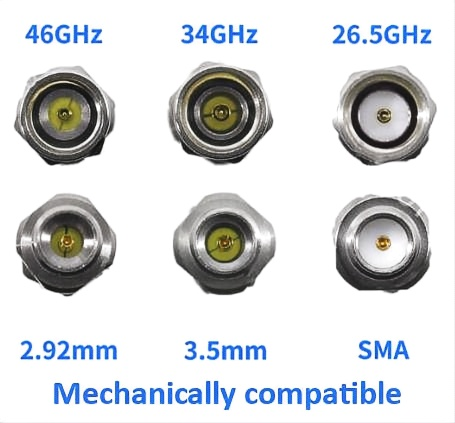
2.Technical Specifications and Frequency Performance
|
Feature |
SMA Connector |
3.5mm Connector |
|
Characteristic Impedance |
50 Ω |
50 Ω |
|
Frequency Range |
Up to 26.5 GHz |
Up to 34 GHz |
|
Dielectric Material |
PTFE (Teflon) |
Air |
|
Outer Conductor |
Threaded |
Threaded, higher precision |
|
Loss / SWR |
Higher at high frequency |
Lower, better repeatability |
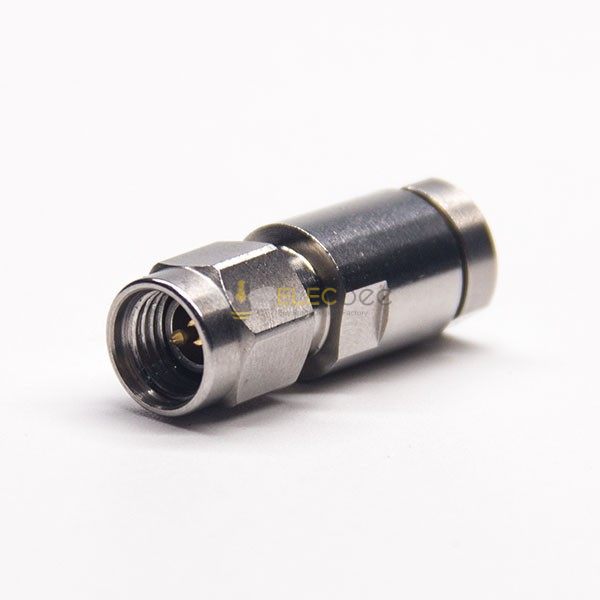
The 3.5mm connector uses an air dielectric, providing lower insertion loss and better SWR stability, making it ideal for high-precision RF testing and calibration.
3.Mechanical Stability, Dielectric Material, and Durability
SMA connectors are compact, robust, and economical, suitable for general production applications. They withstand repeated insertions and moderate vibration but can be affected by pin damage or coating scratches over time.
In contrast, 3.5mm connectors are designed for metering or high-performance test environments, offering tighter mechanical tolerances and higher temperature stability.
4.Applications: When to Use SMA vs 3.5mm Connector
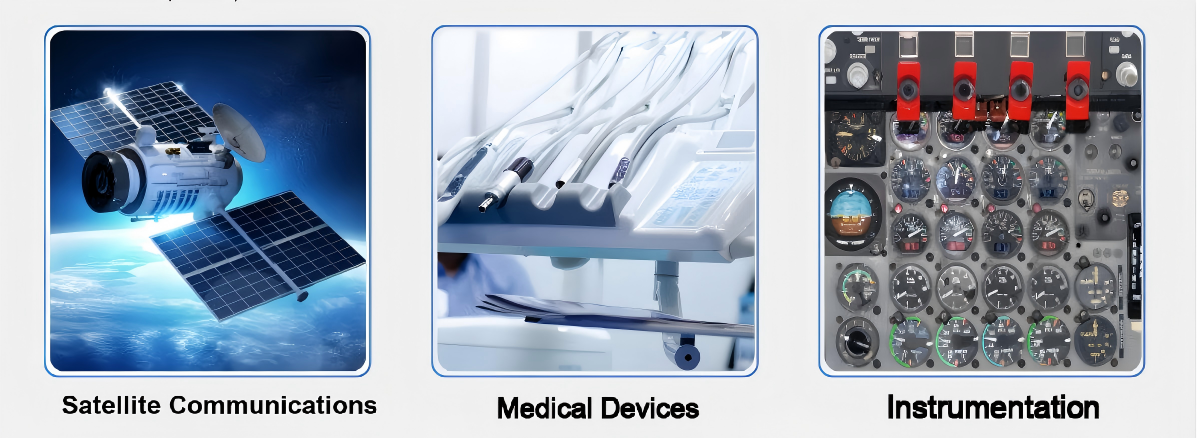
• SMA Connector: Production use, general RF applications, cost-sensitive deployments.
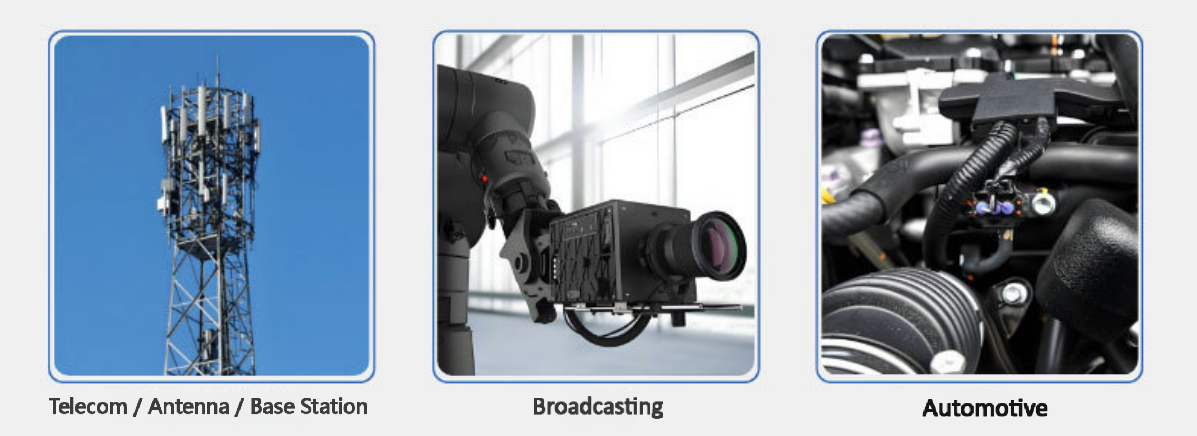
• 3.5mm Connector: Calibration, metering, high-frequency testing, and situations requiring precise mechanical stability and low signal loss.
5.Key Differences and How to Choose the Right Connector
While SMA and 3.5mm connectors are compatible in some configurations, careful selection is crucial to avoid transmission loss or test inaccuracies. Consider the following:
a. Frequency requirements
b. Mechanical stability and insertion repeatability
c. Signal loss and SWR performance
d. Application environment (production vs metering/test)

6.FAQ: SMA and 3.5mm Connector Selection Tips
Q1: Can I mix SMA and 3.5mm connectors?
A1: Yes, but only if carefully paired; mismatched pins or coatings may affect performance.
Q2: Which connector is better for 5G or millimeter-wave applications?
A2: 3.5mm connectors are preferred for high-frequency or precision RF applications.
7.Conclusion
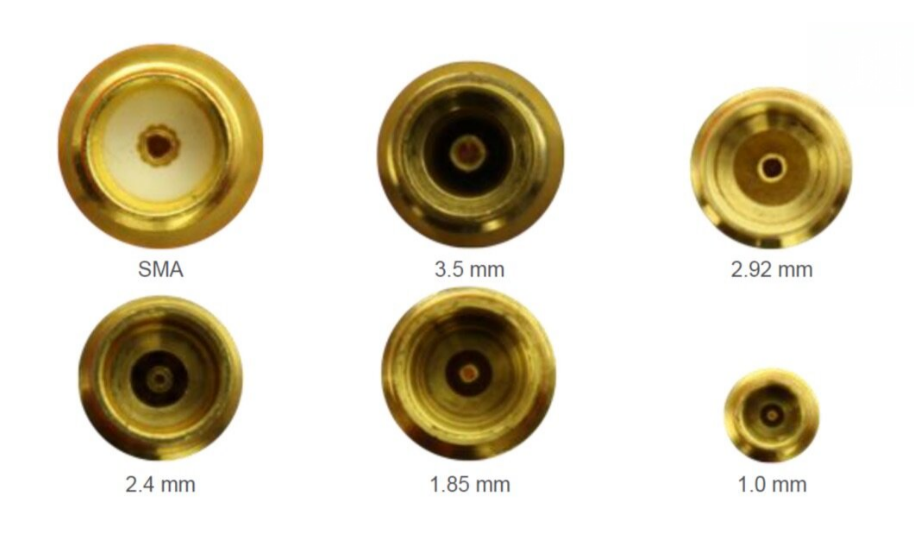
By understanding these differences, engineers and technicians can select the right connector for each application, ensuring stable performance and reliable measurements. For more technical details or to purchase high-quality SMA, 3.5mm, 2.4mm, 1.85mm, and 1.0mm connectors, you can contact us at support@elecbee.com or simply click the links below to place your order directly.