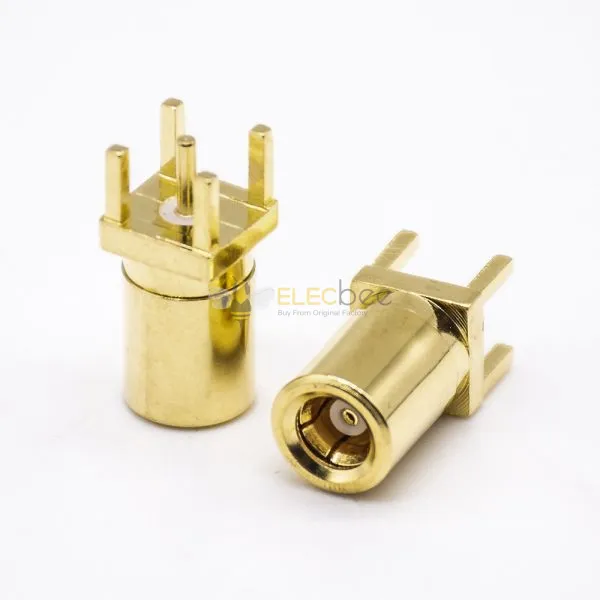


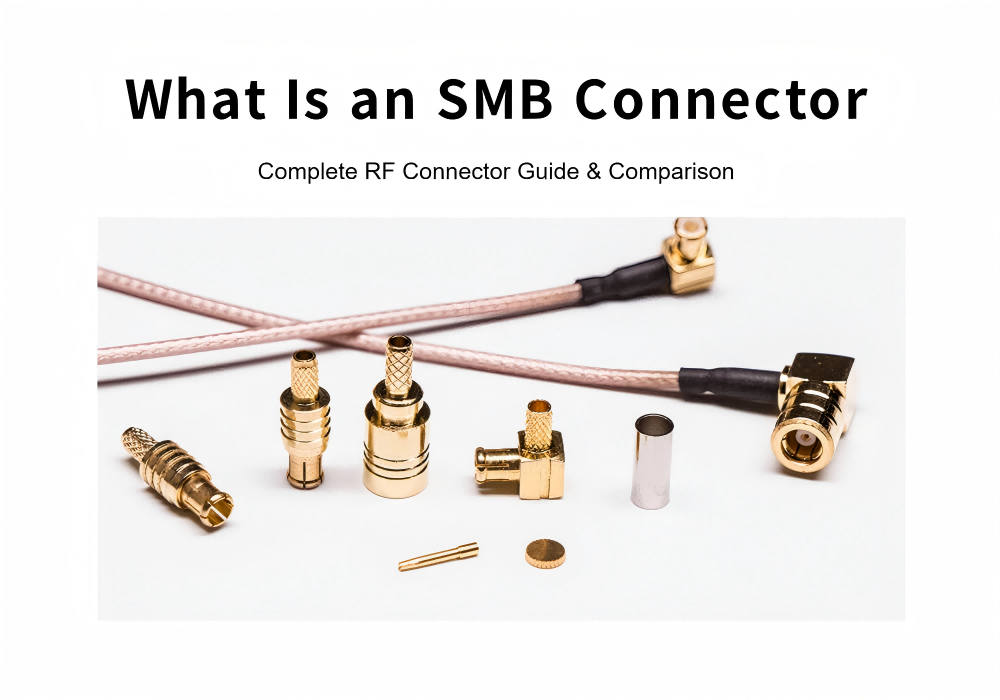
1.What Is an SMB RF Connector?
An SMB RF connector (SubMiniature version B) is a compact RF coaxial connector originally developed in the 1960s. It is smaller than an SMA connector and features a snap-on coupling mechanism, making it ideal for applications that require quick connection and disconnection.
SMB connectors are widely used in RF systems where space is limited but stable electrical performance is still required.
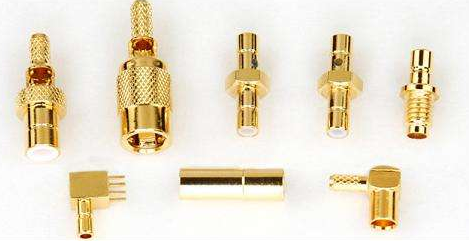
2.SMB Connector Types and Electrical Specifications
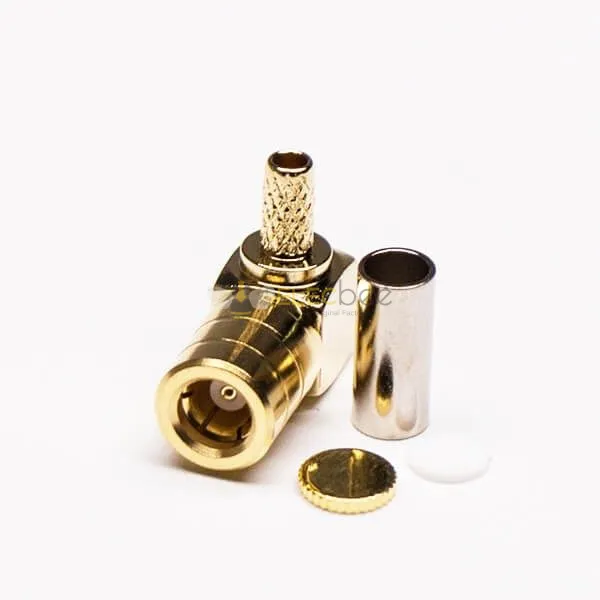
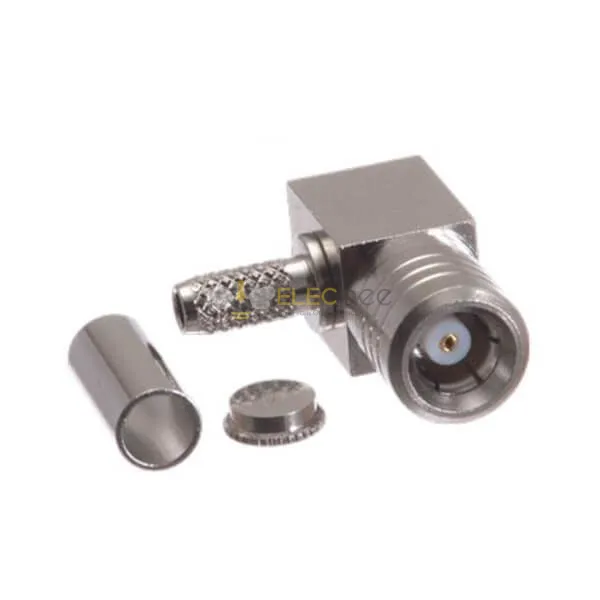
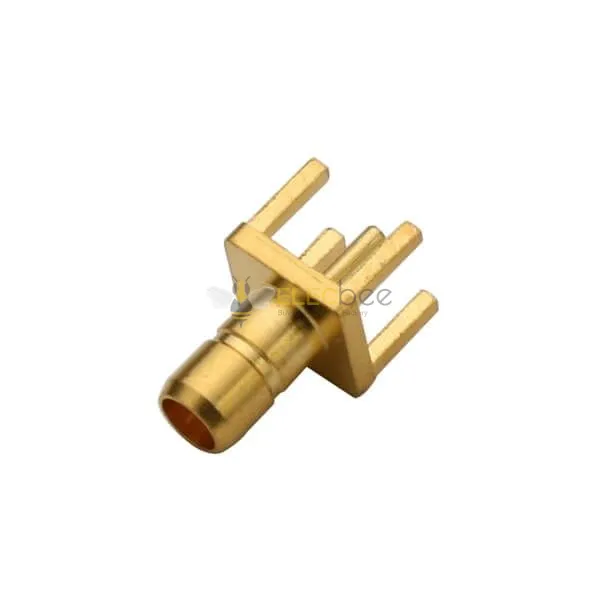
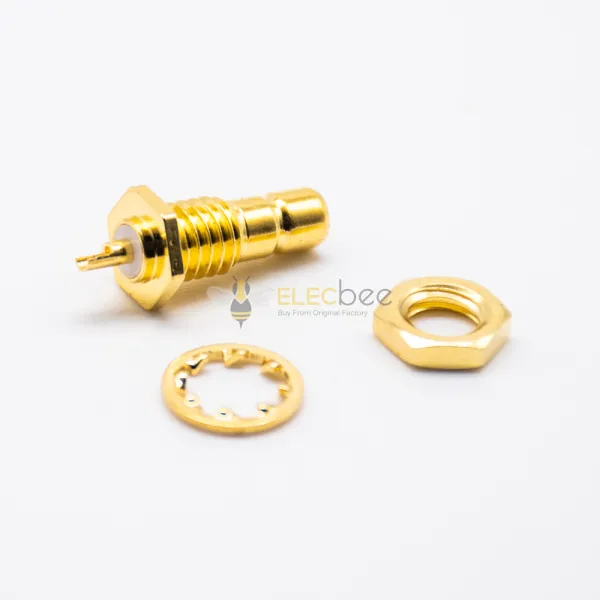
SMB connectors are available in different configurations to meet various system requirements.
Key electrical specifications include:
• Impedance: 50Ω or 75Ω
• Frequency range: DC to 4 GHz (some designs support higher frequencies)
• Coupling type: Snap-on (push-to-connect)
• Gender options: Plug and socket versions
Because of their reliable RF performance, SMB connectors are commonly used in low-to-medium frequency RF signal transmission.
3.SMB Plug vs Socket: Male and Female Explained
Unlike many RF connectors, SMB connectors do not follow the usual rule of “plug = male, socket = female.”
• SMB plug: Male outer body with a female center contact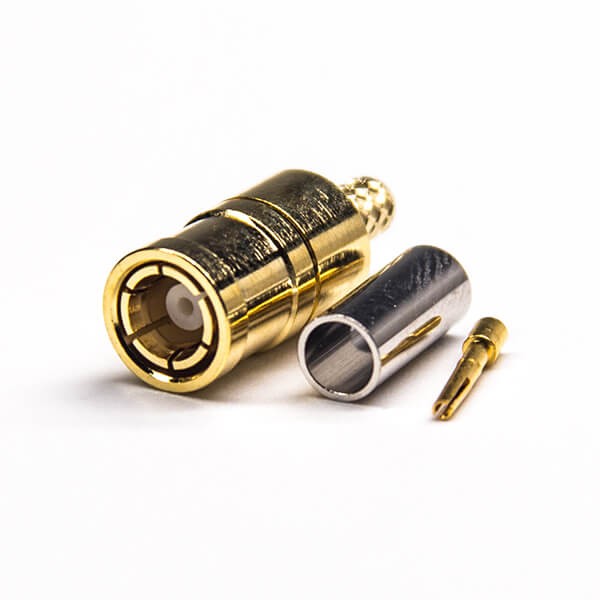
• SMB socket (jack): Female outer body with a male center pin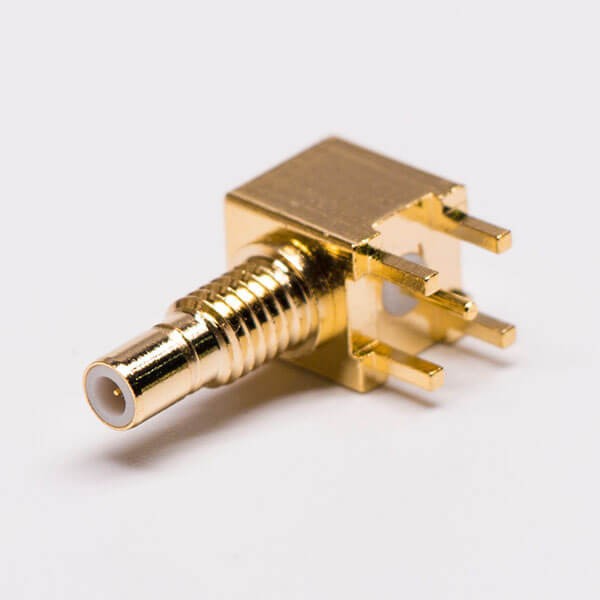
This structure often causes confusion when selecting SMB male or female connectors. Always check the center contact, not just the housing, when choosing an SMB connector.
4.SMB Connector vs SMA Connector: Key Differences
|
Feature |
SMB Connector |
SMA Connector |
|
Coupling method |
Snap-on |
Threaded |
|
Size |
Smaller |
Slightly larger |
|
Connection speed |
Very fast |
Slower |
|
Mechanical strength |
Moderate |
Strong |
|
Typical use |
Frequent connect/disconnect |
Fixed or vibration-prone setups |
5.Common Applications of SMB Connectors
• RF communication modules
• GPS and antenna connections
• Automotive electronics
• Industrial control equipment
• Test and measurement devices
They are often paired with SMB cables and RF adapters in compact electronic assemblies.

6.How to Choose the Right SMB Connector (FAQ)
Match 50Ω or 75Ω SMB connectors with your system impedance.
Q. Confirm plug or jack type
Do not rely on naming alone—verify the center contact structure.
Q. Consider frequency requirements
Ensure the connector supports your operating frequency range.
Q. Check mounting and cable compatibility
Panel mount, PCB mount, and cable-end SMB connectors serve different purposes.